
Conference Highlights
- Shifting geopolitical blocs, technological acceleration, and climate pressures influence strategic decision-making across Asia-Pacific. It is a non-negotiable for resilient organisations to adjust their operating models in a “TOTUS” environment — where trade, tech ecosystems, and talent networks increasingly extend beyond US-centric frameworks — while continuing to anticipate climate-driven disruption.
- Seeing how climate-driven events are shaping asset protection, supply chain continuity, and long-term resilience planning, risk managers are called to play a more strategic role in guiding adaptation, investment, and governance decisions.
- Captives continue to be a useful tool for strategic value in a soft market environment, wielding potential to support balance sheet resilience, enhance risk financing efficiency, and provide long-term flexibility as organisations navigate shifting market cycles.
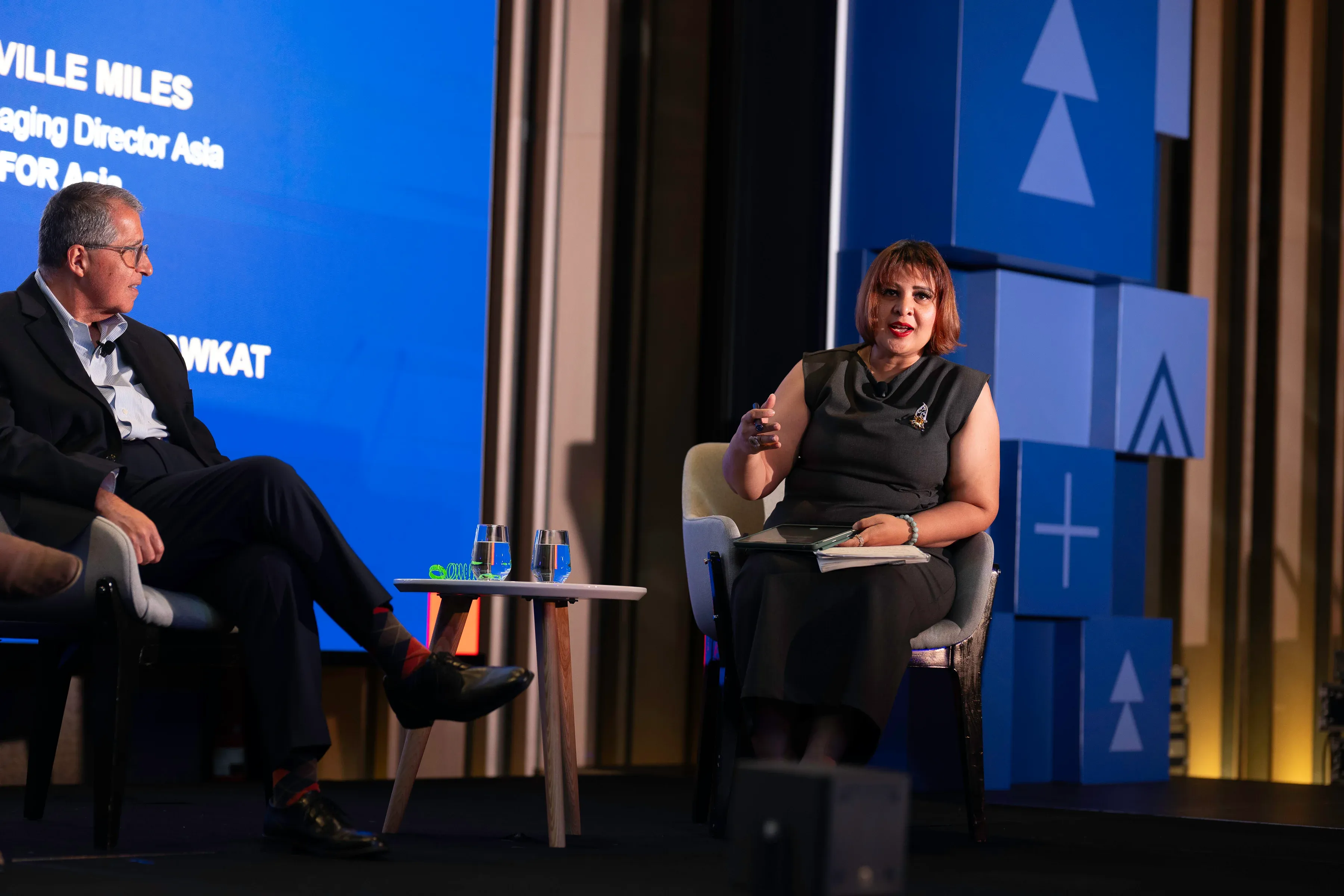
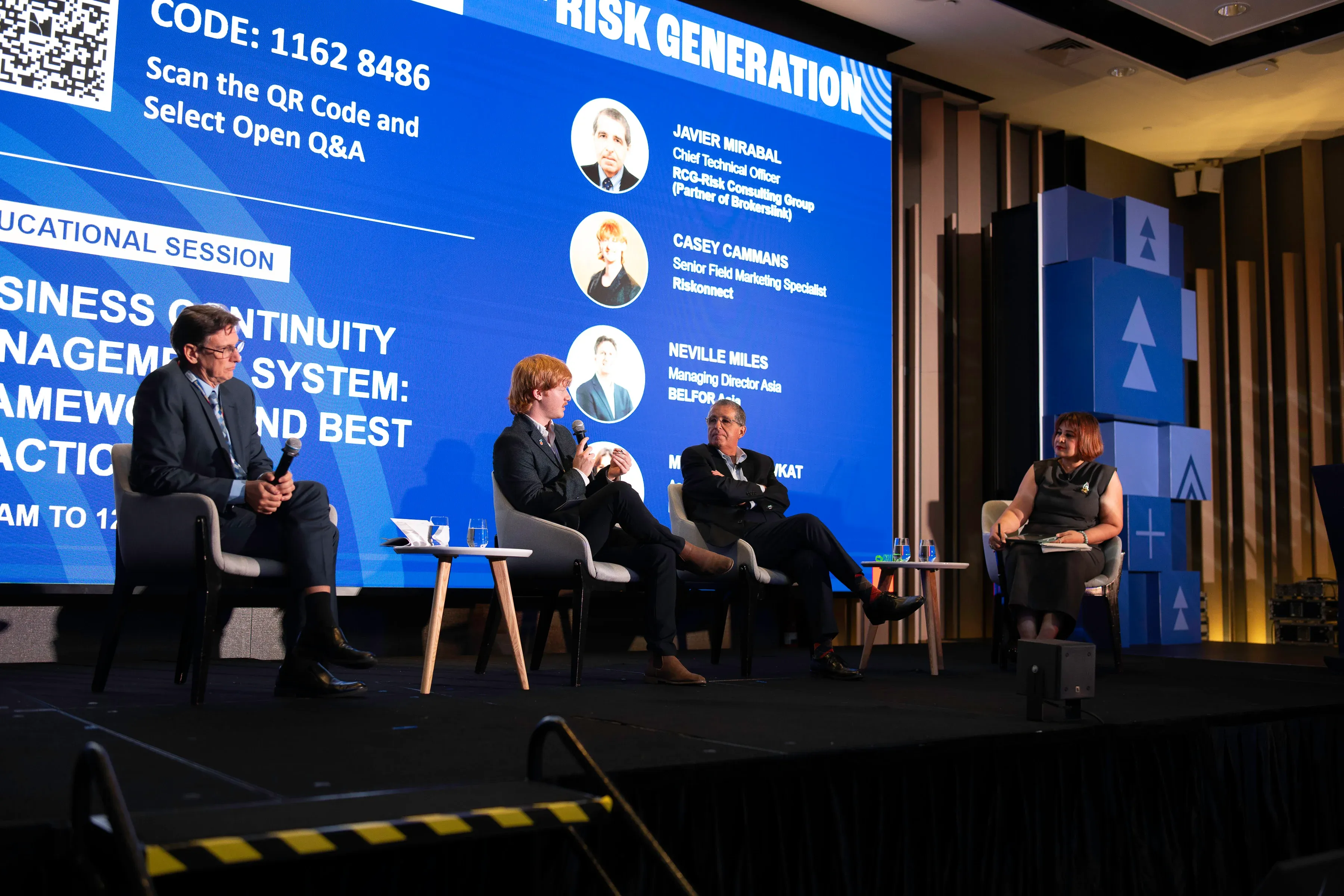
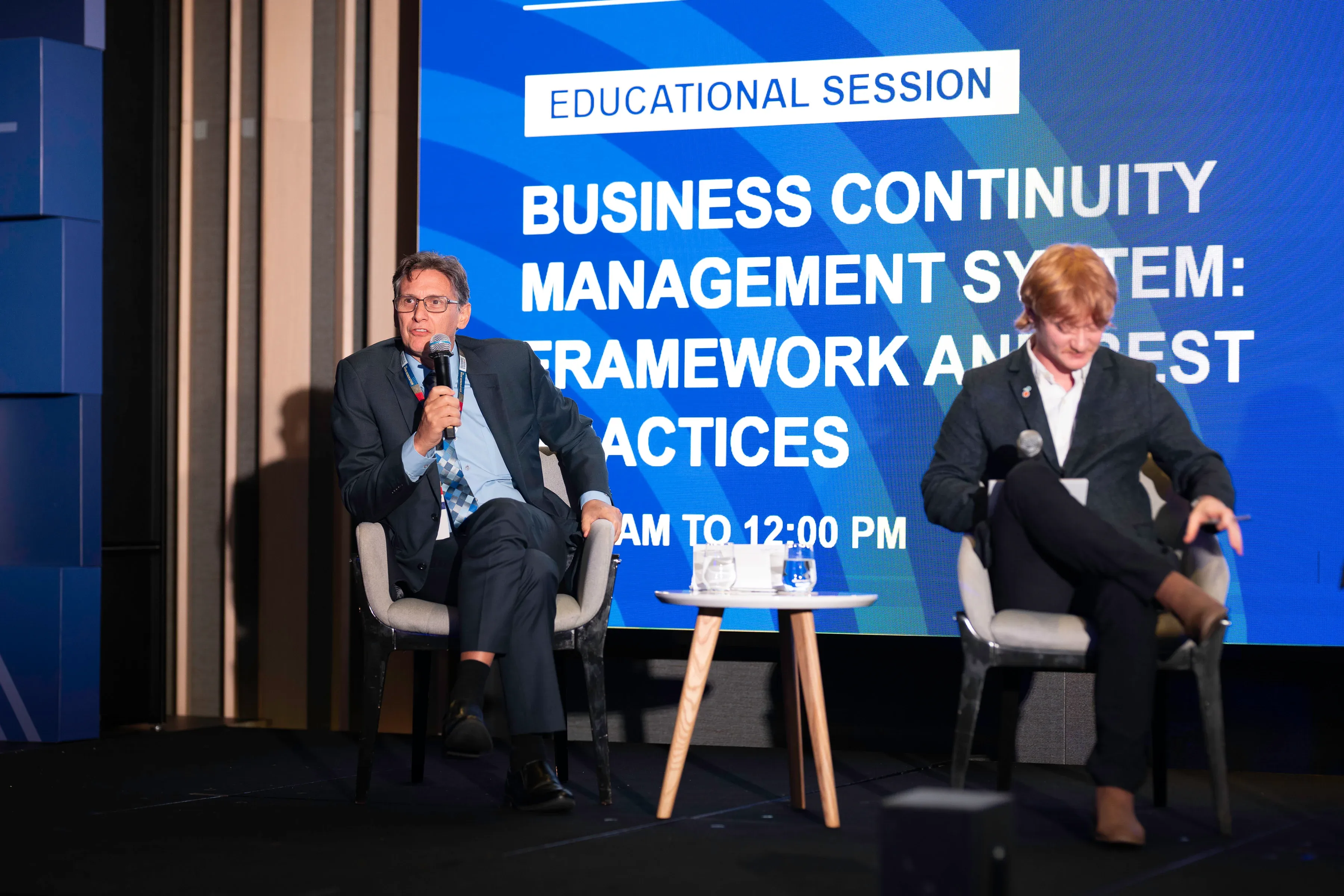
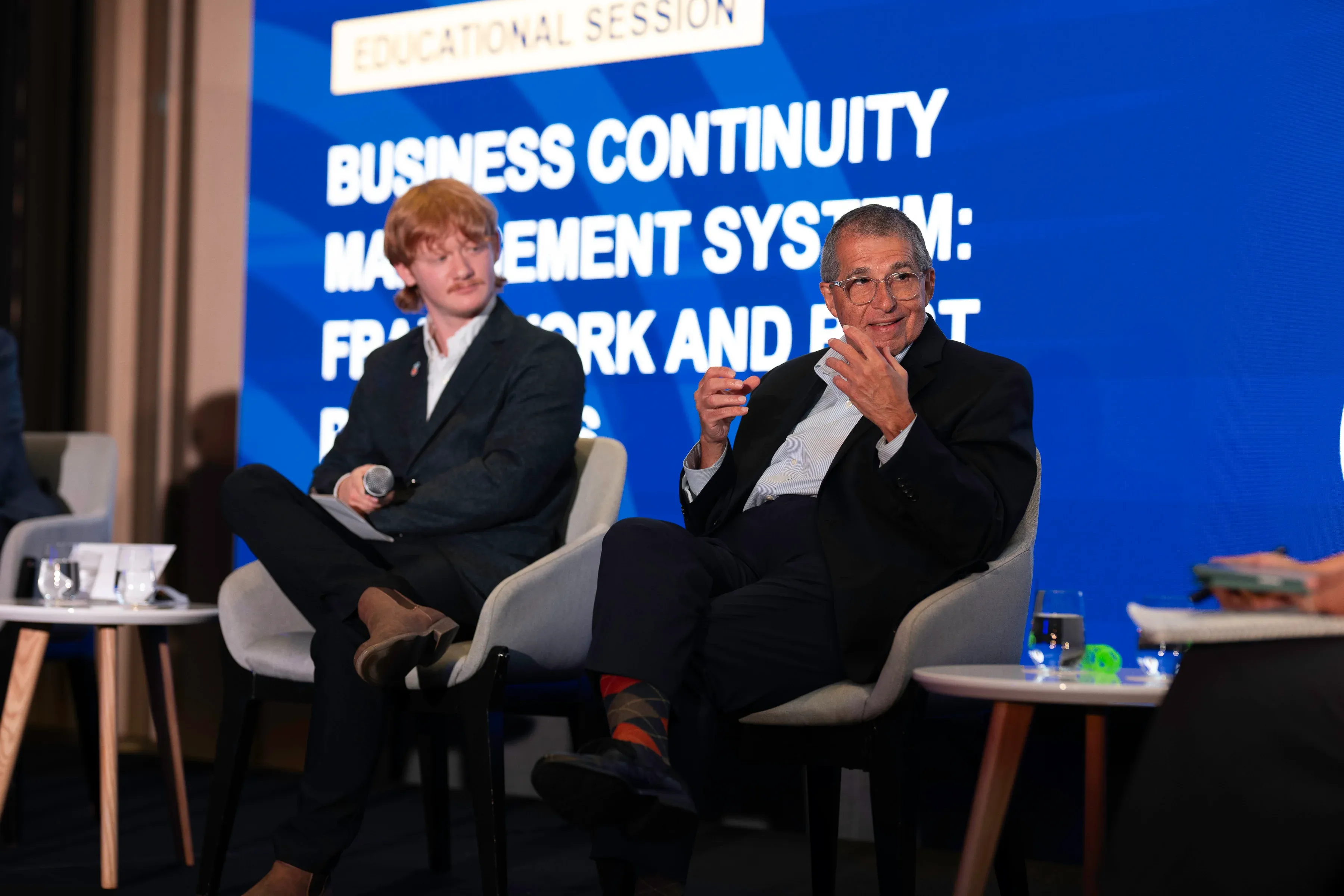
- Business Continuity is a foundational component of organisational resilience, with a growing need to be embedded into daily decision-making rather than remaining a reactive or compliance-driven activity. Scenario planning, response coordination, and continuity governance can reinforce stability amid increasing operational uncertainty.
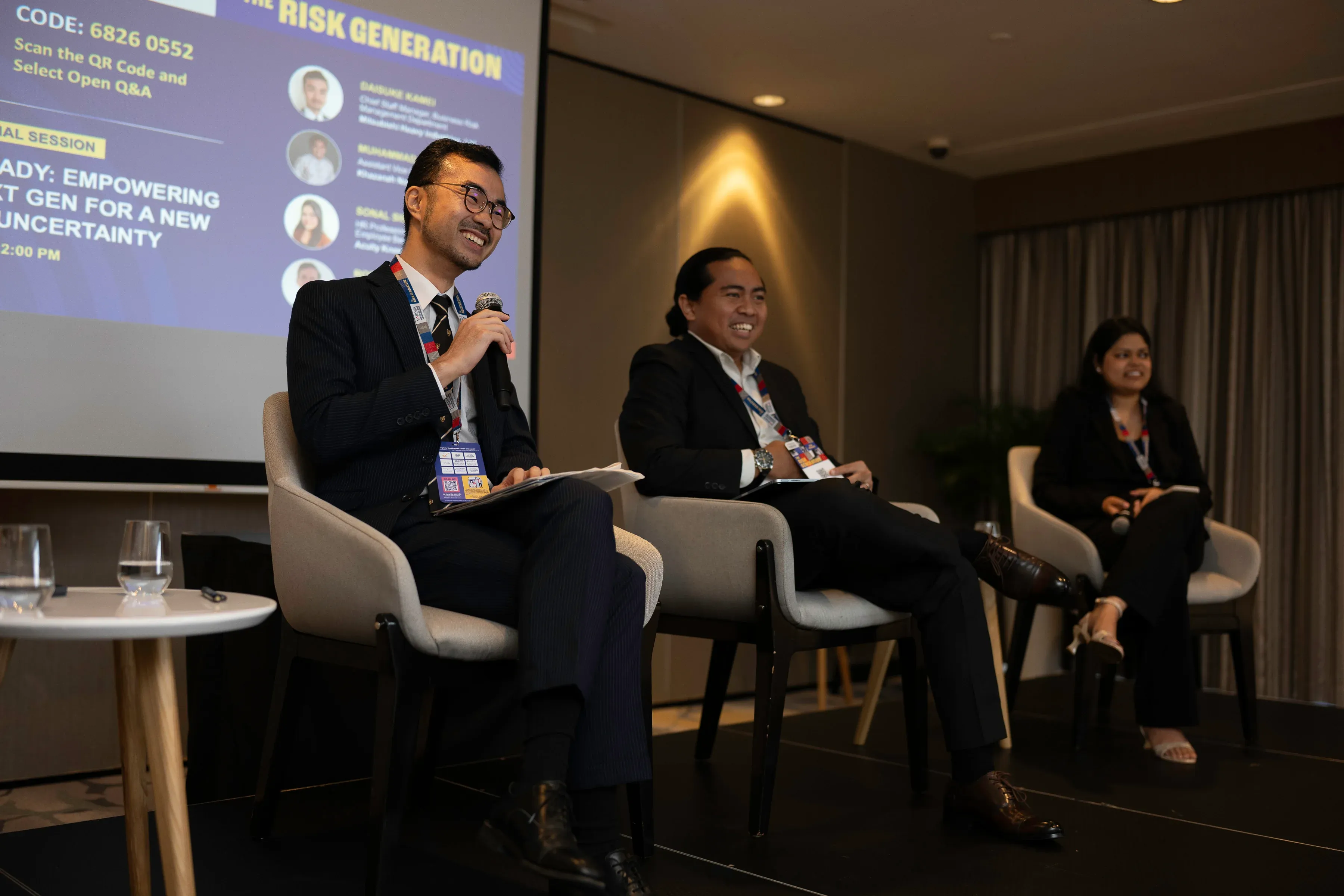
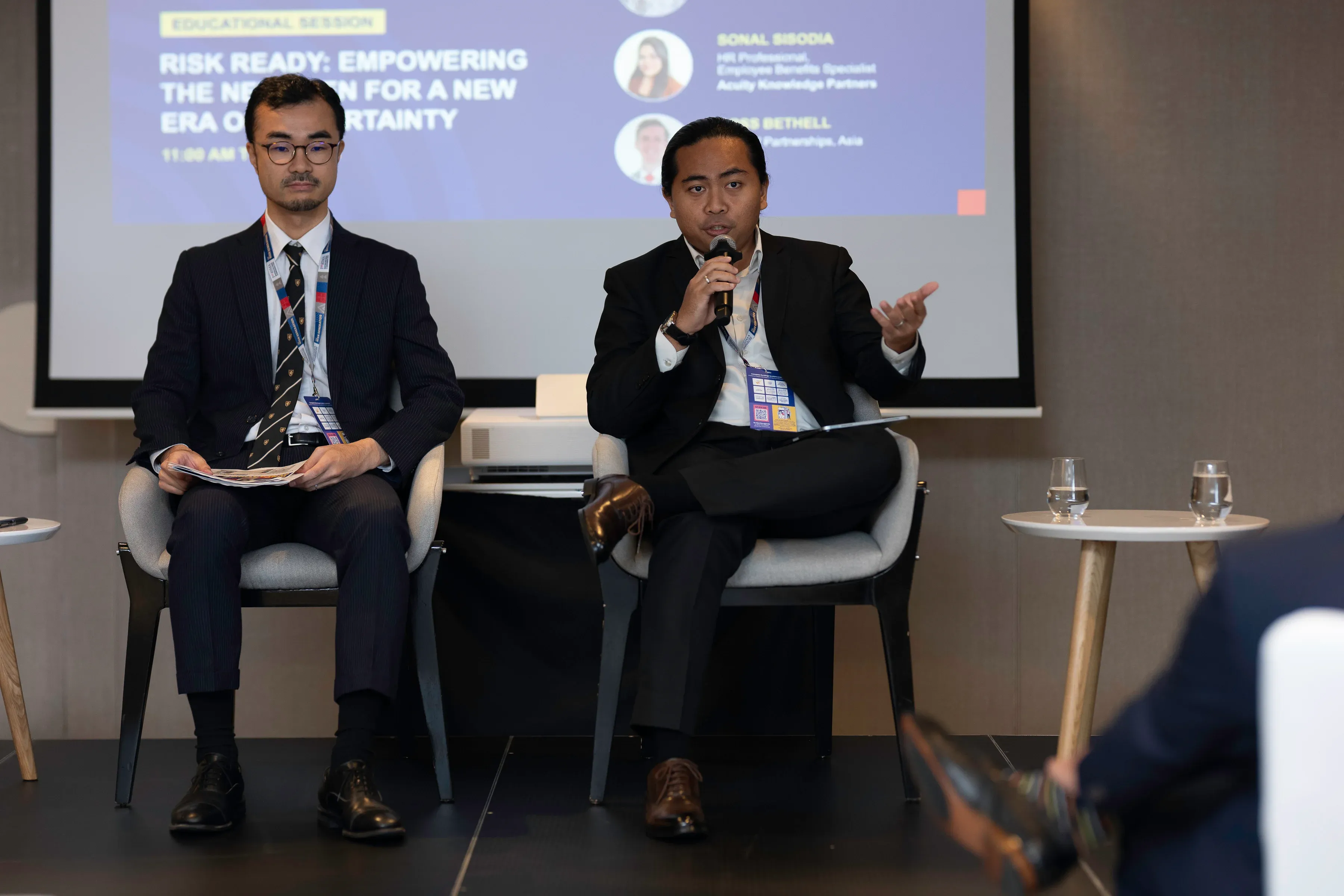
- Emerging professionals are reshaping expectations around leadership, collaboration, and decision-making. Mentorship, development pathways, and organisational culture are key enablers in preparing the next generation to navigate complexity with confidence and clarity.
- Parametric insurance can be an innovative solution to optimise earthquake risk mitigation across Asia for faster, more transparent, and more efficient risk financing compared to traditional insurance.
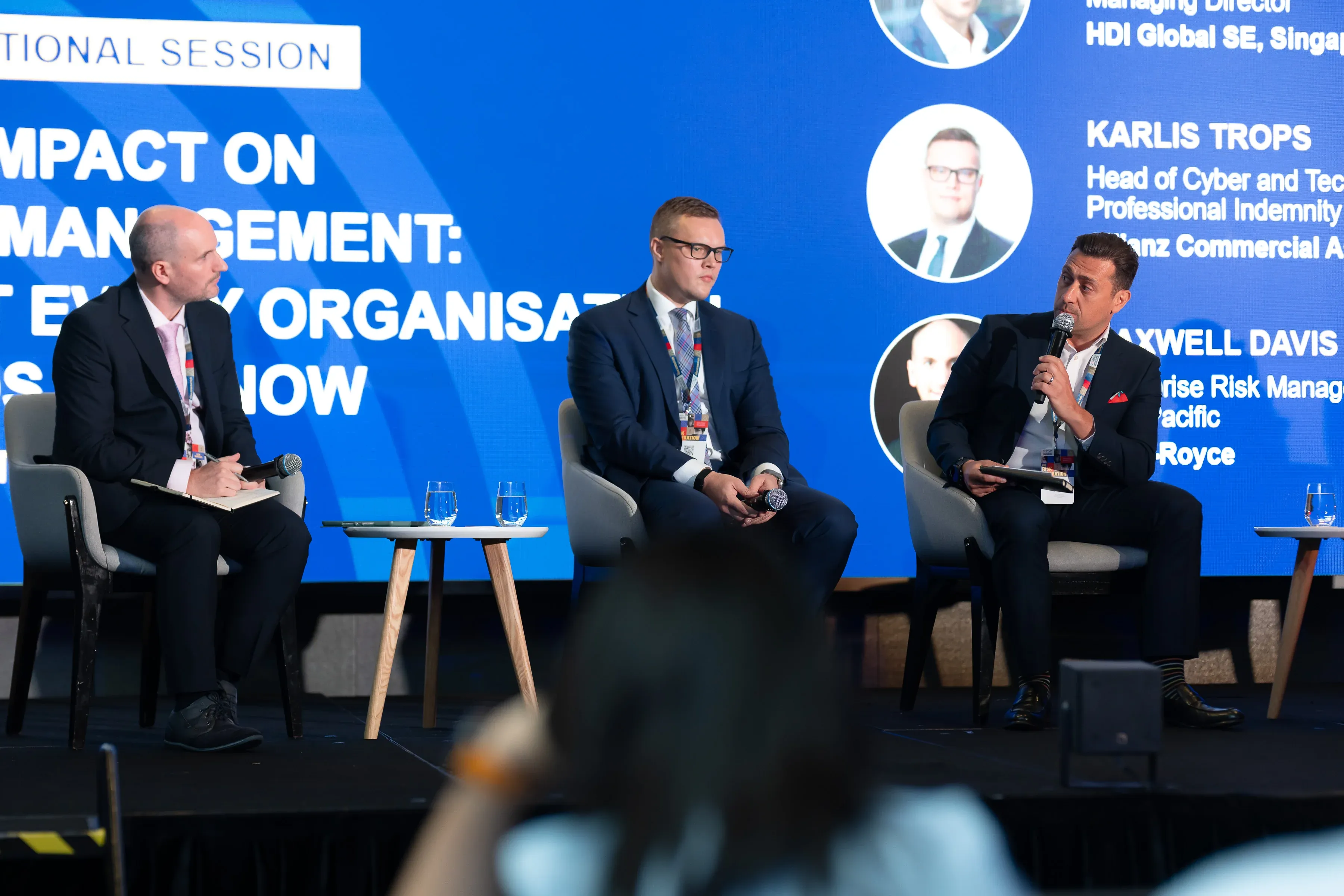
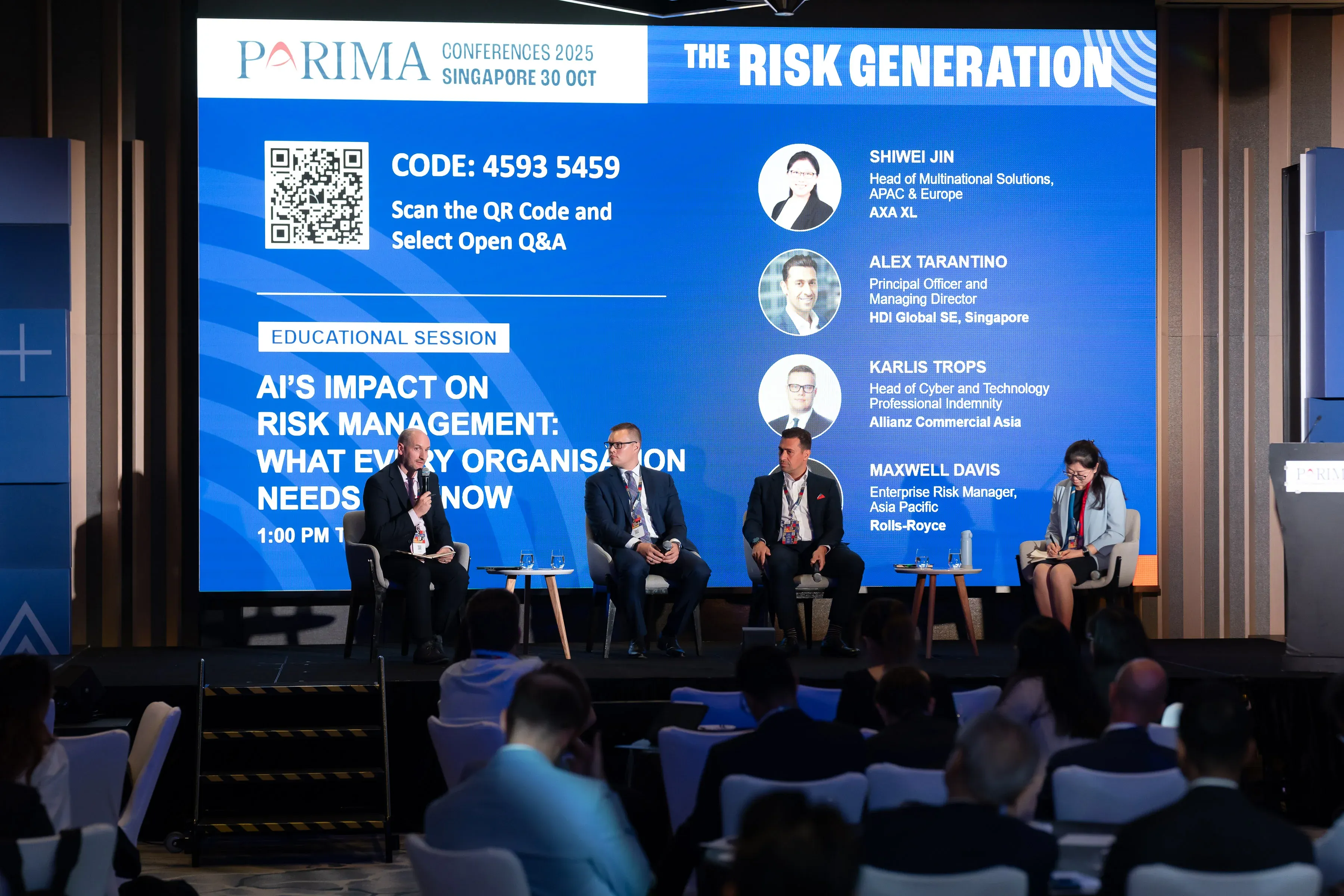
- As organisations scale AI, the message is clear: innovation must be balanced with intentional, future-proofed oversight. AI is reshaping organisational exposure across sectors — from model manipulation and data poisoning to bias, governance challenges, and regulatory implications.
- Cultural norms, regulatory expectations, leadership styles, and generational shifts influence risk management practices across regions. Organisations must adapt with evolving expectations of next-generation talent to attract, develop, and retain future risk leaders. While approaches may differ, shared intent and collaboration remain central to advancing the profession globally.
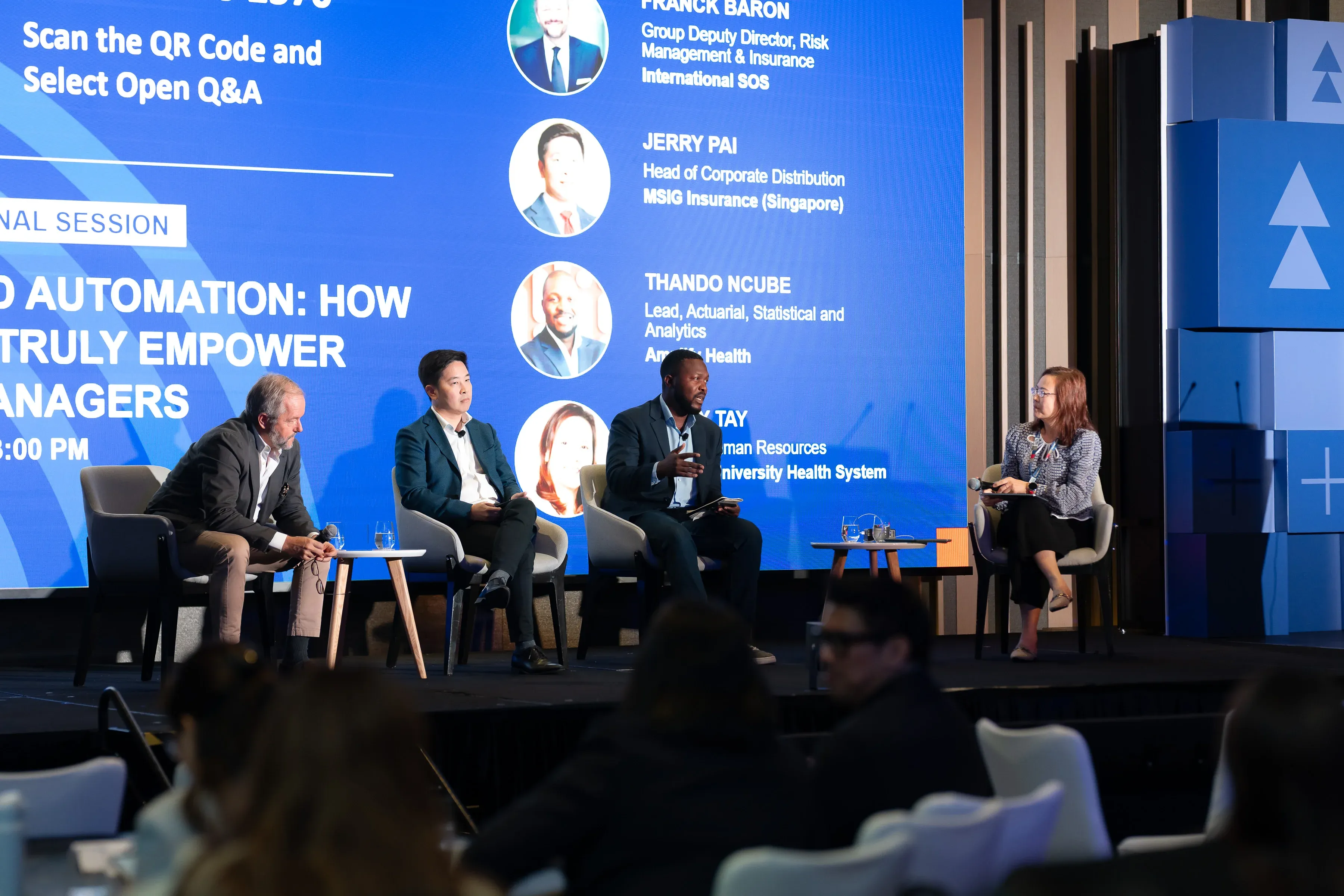
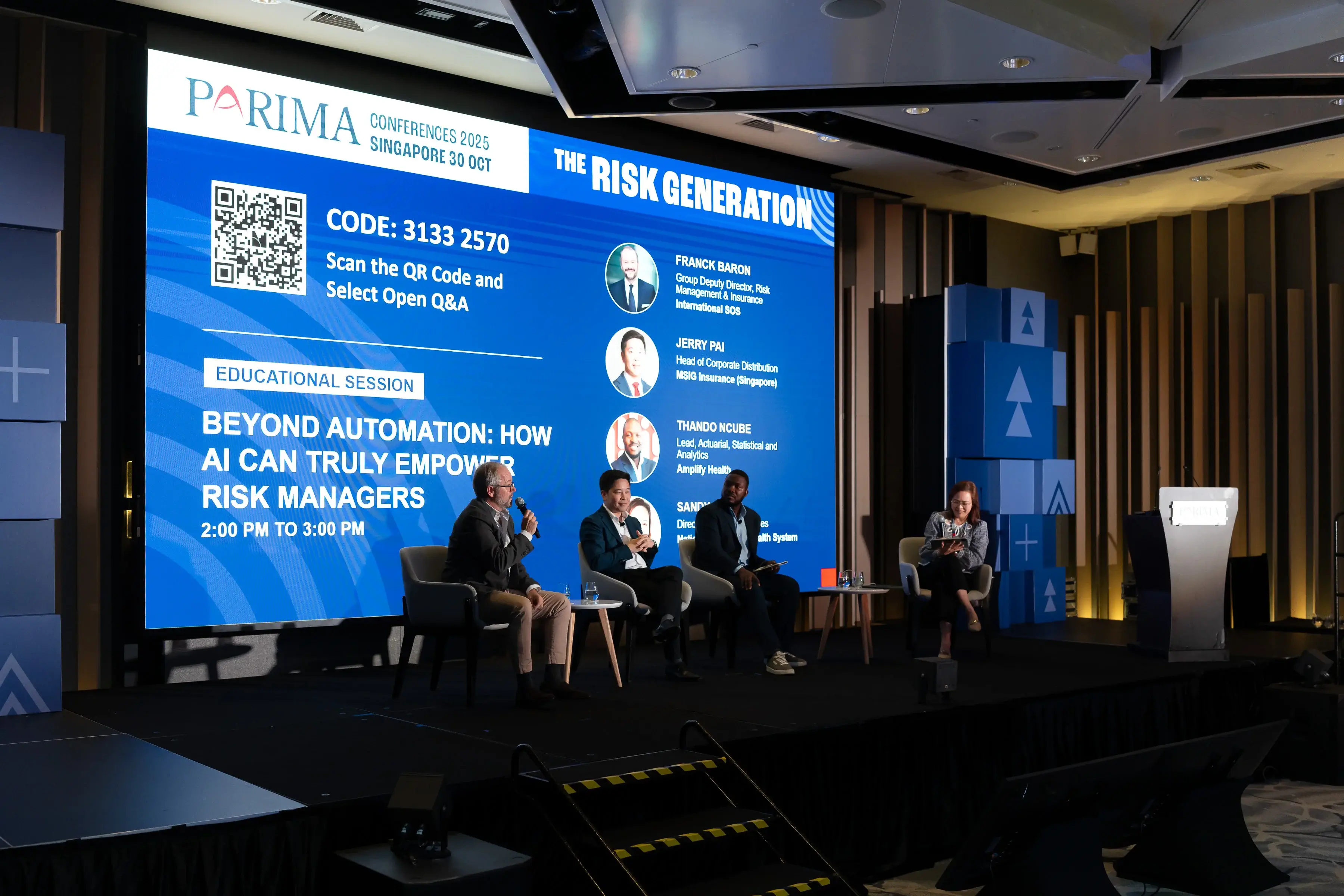
- AI can enhance—not replace—the role of risk professionals. It can help organisations detect emerging risks faster, make sharper decisions in high-stakes environments, and shift from reactive to proactive risk strategies — all while amplifying human judgment and strategic foresight.
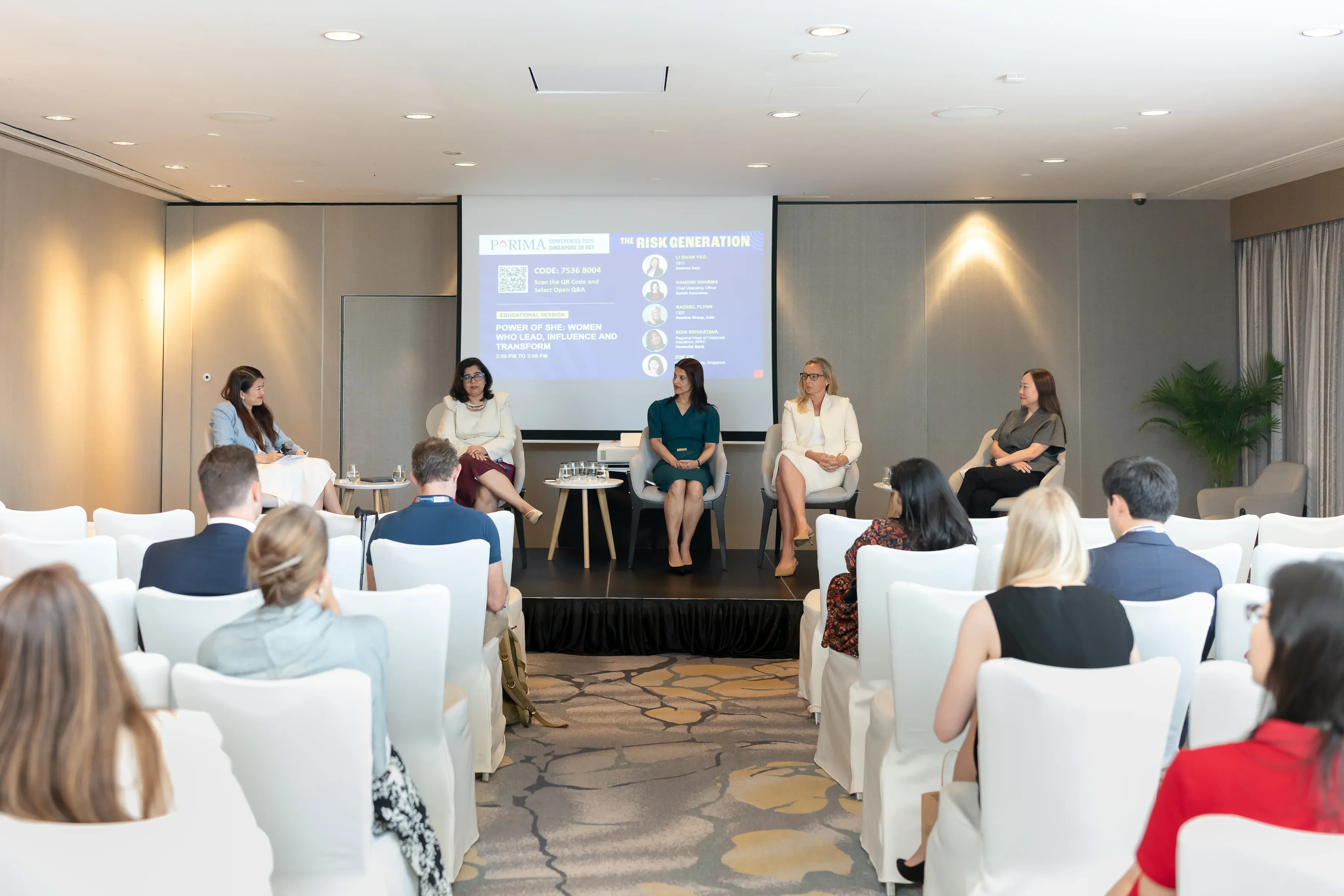
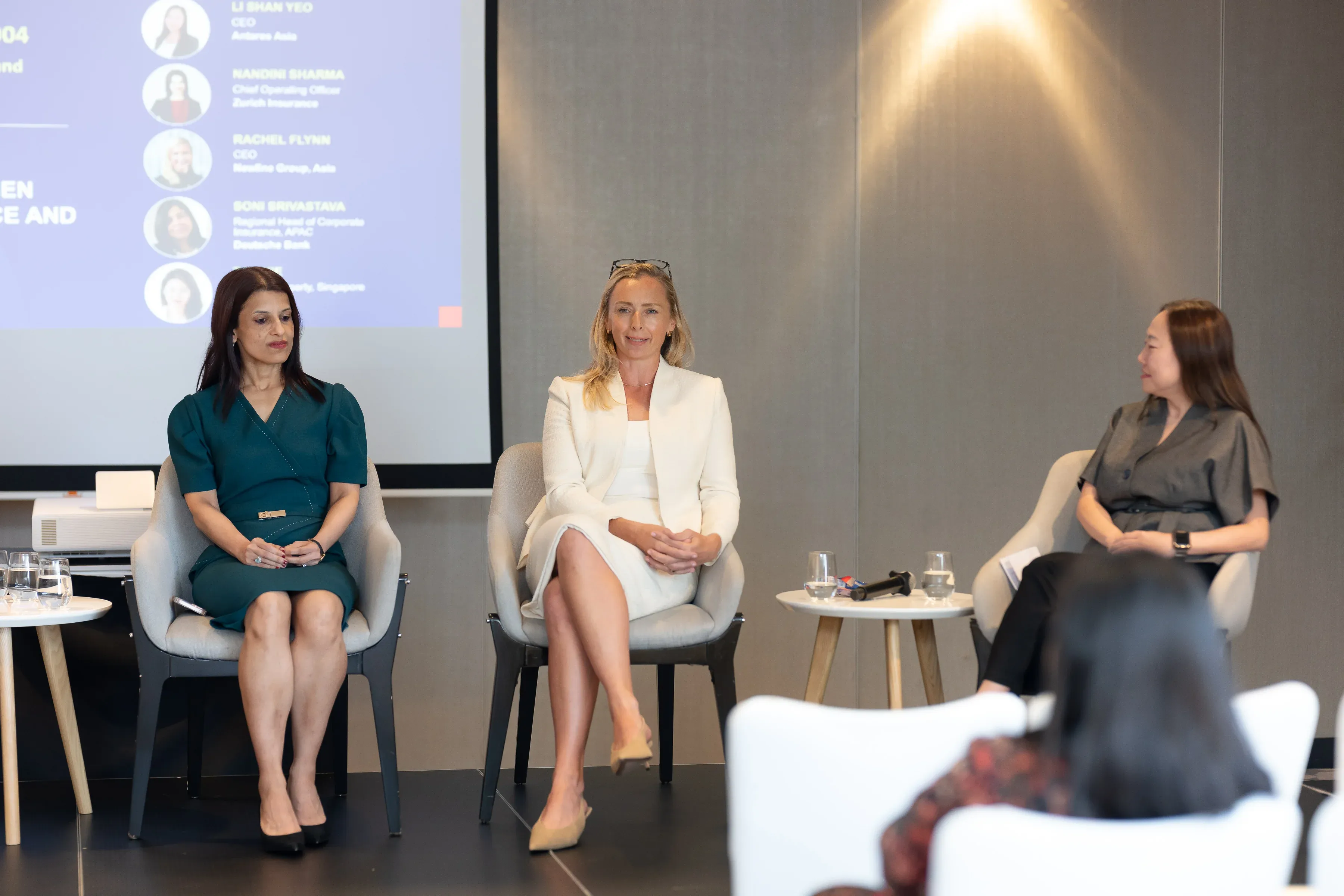
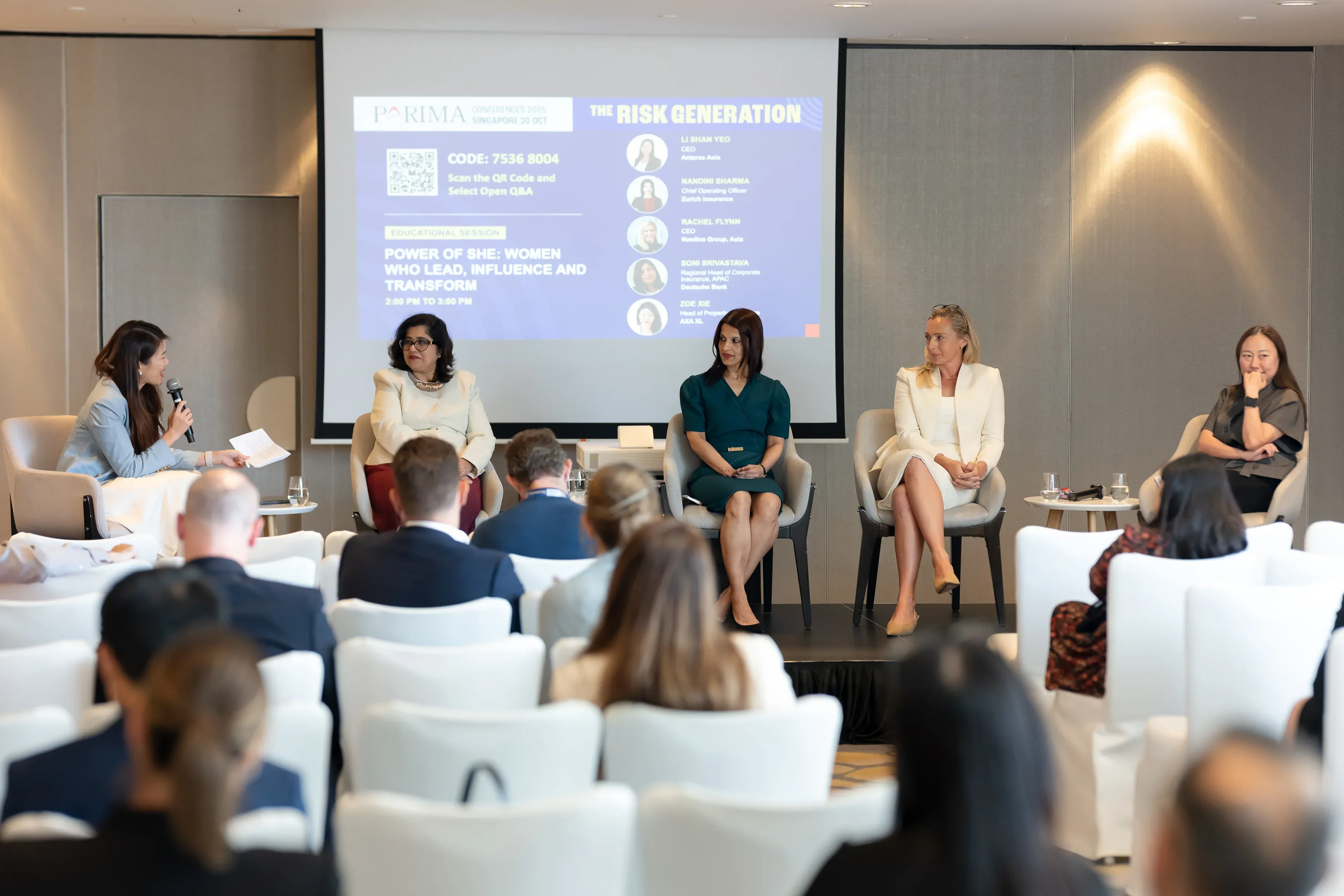
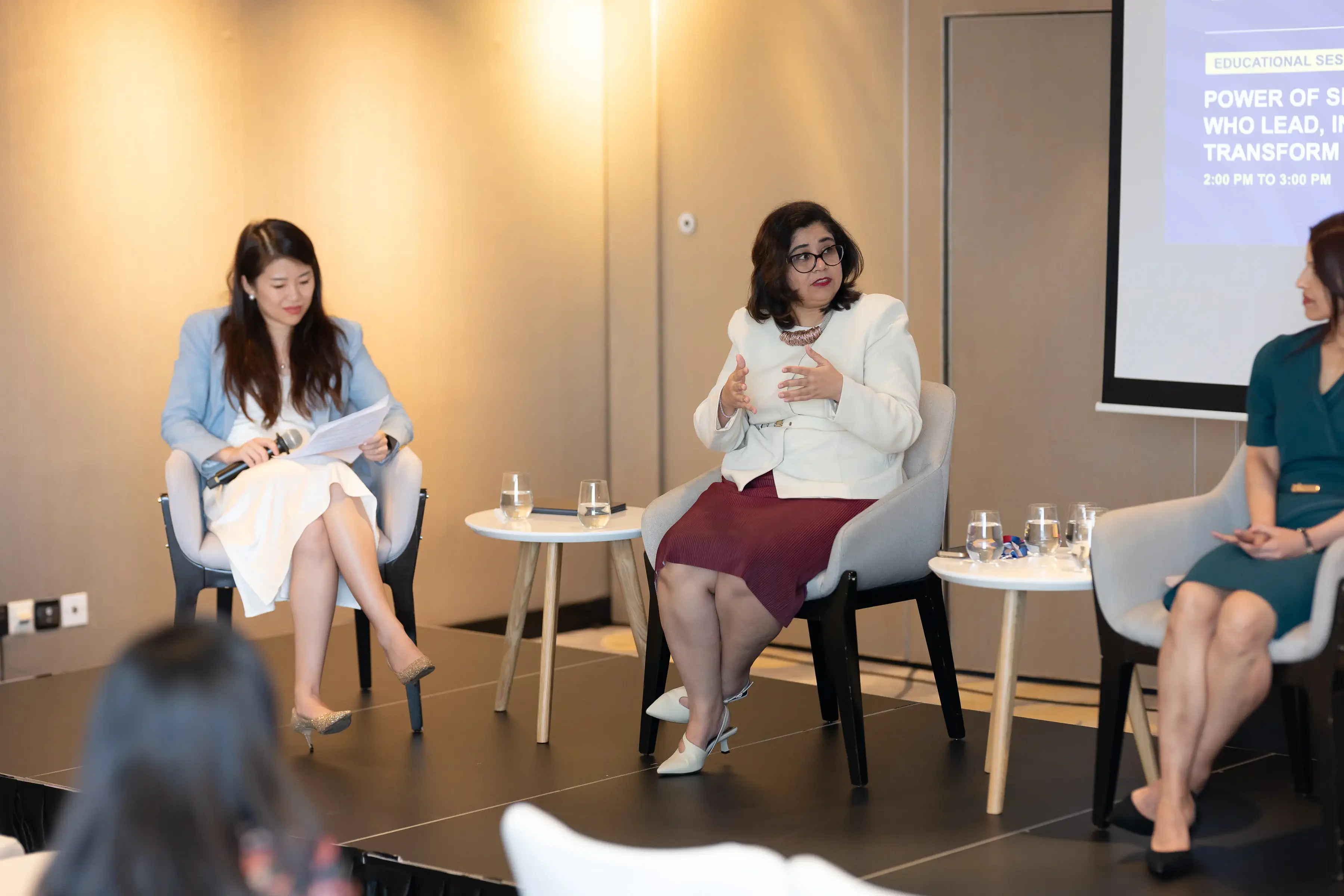
- Women across the insurance and risk community are redefining leadership models, mentoring the next generation, and catalysing meaningful change across the industry, demonstrating how influence is not only earned — it is built, practiced, and shared.
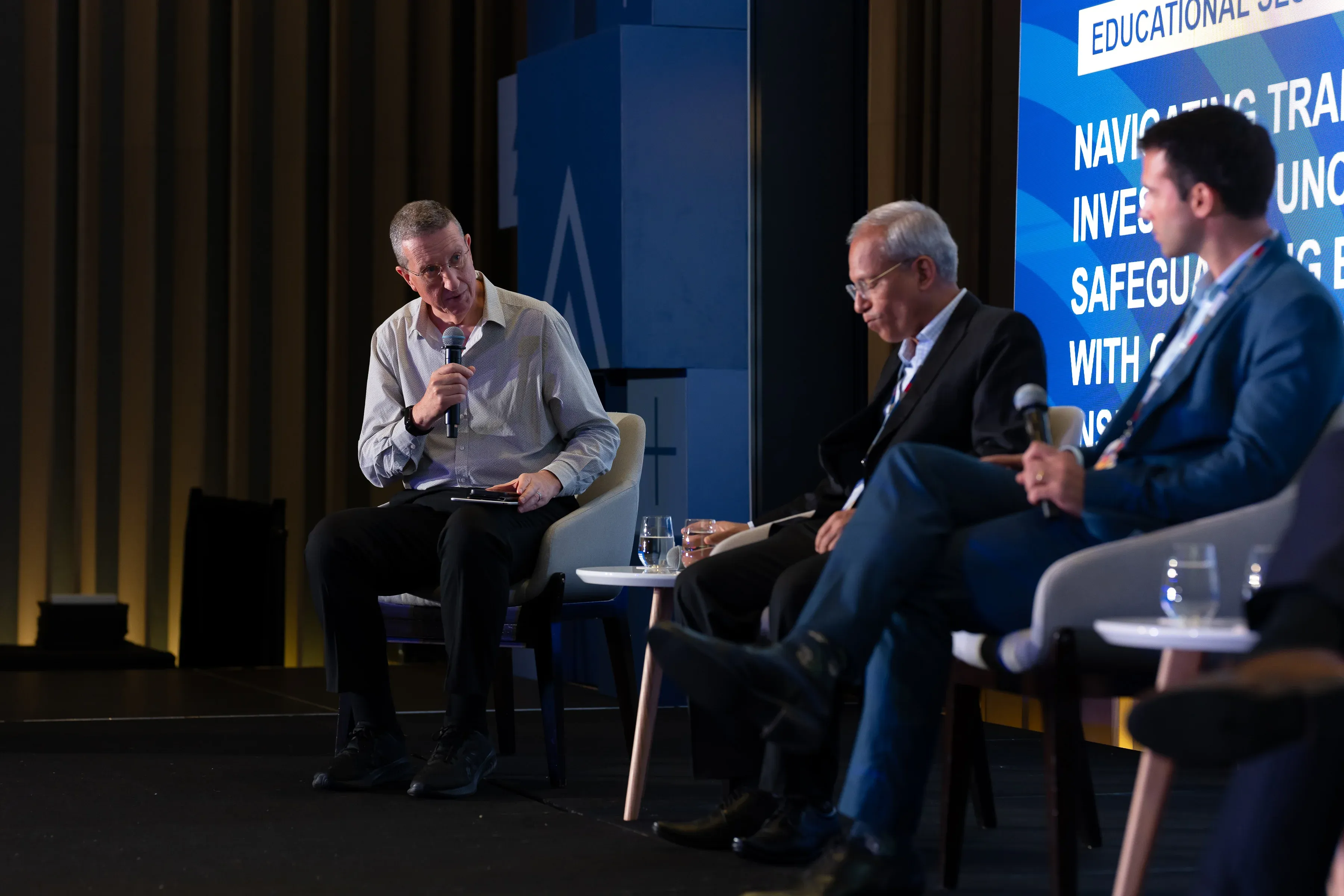
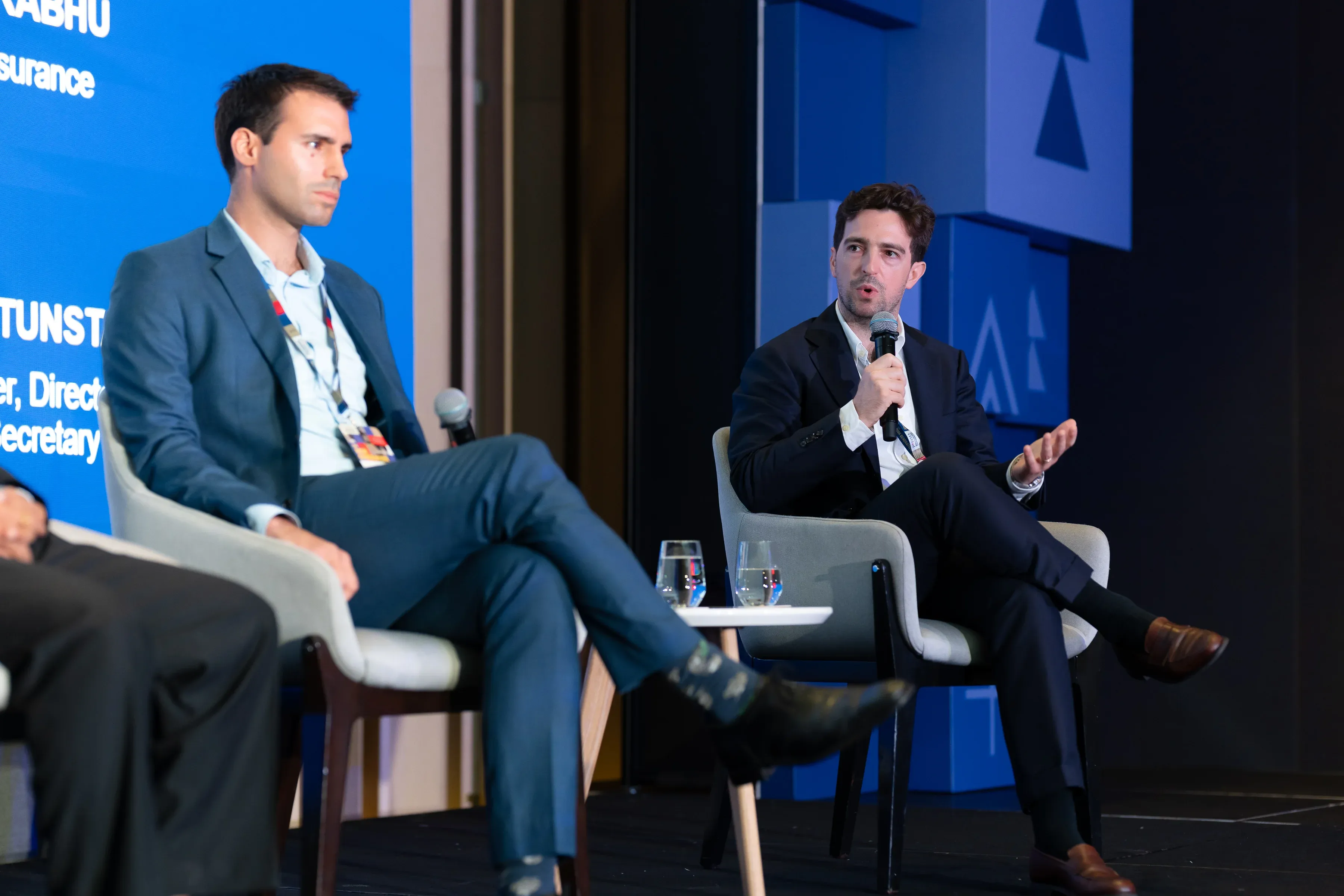
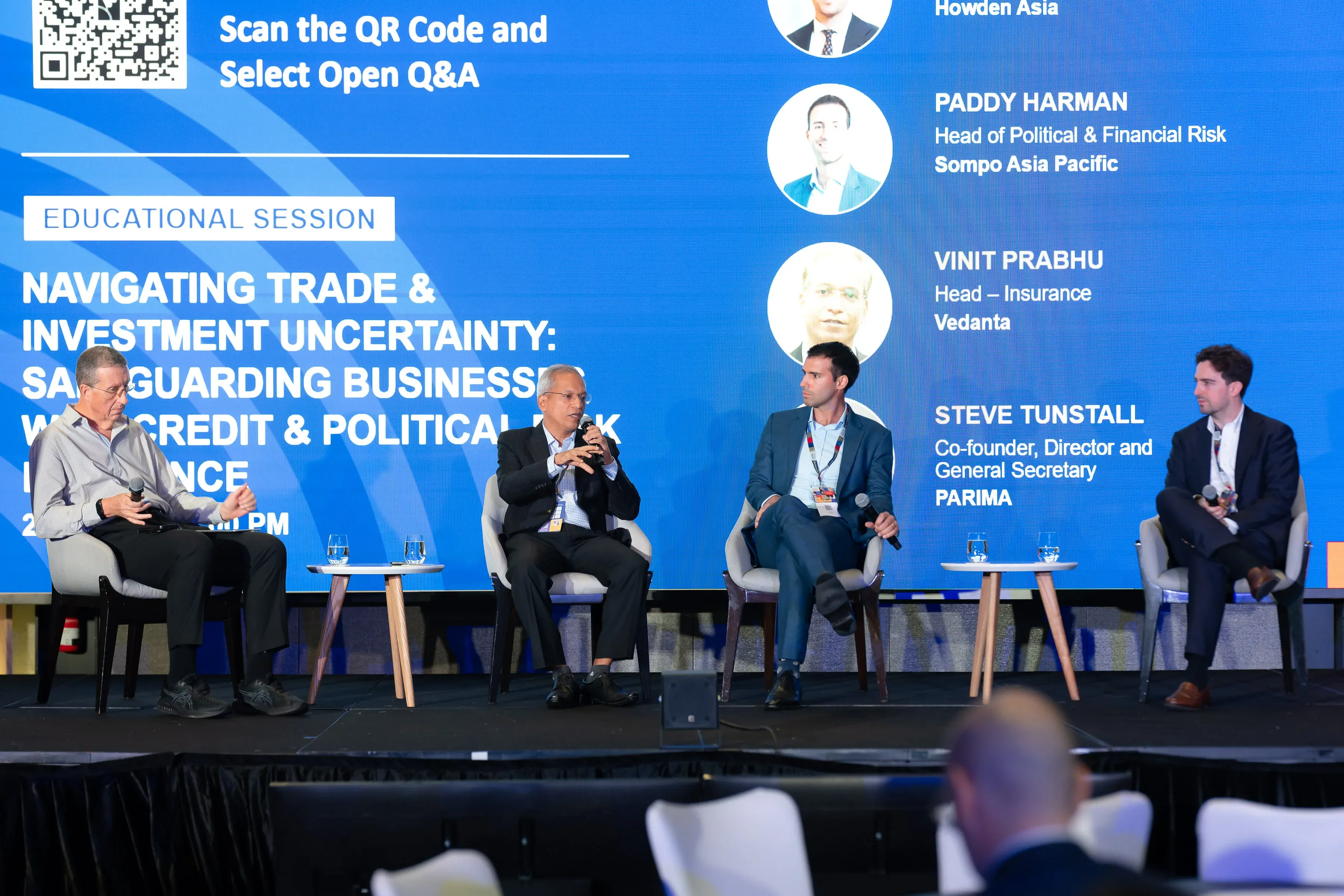
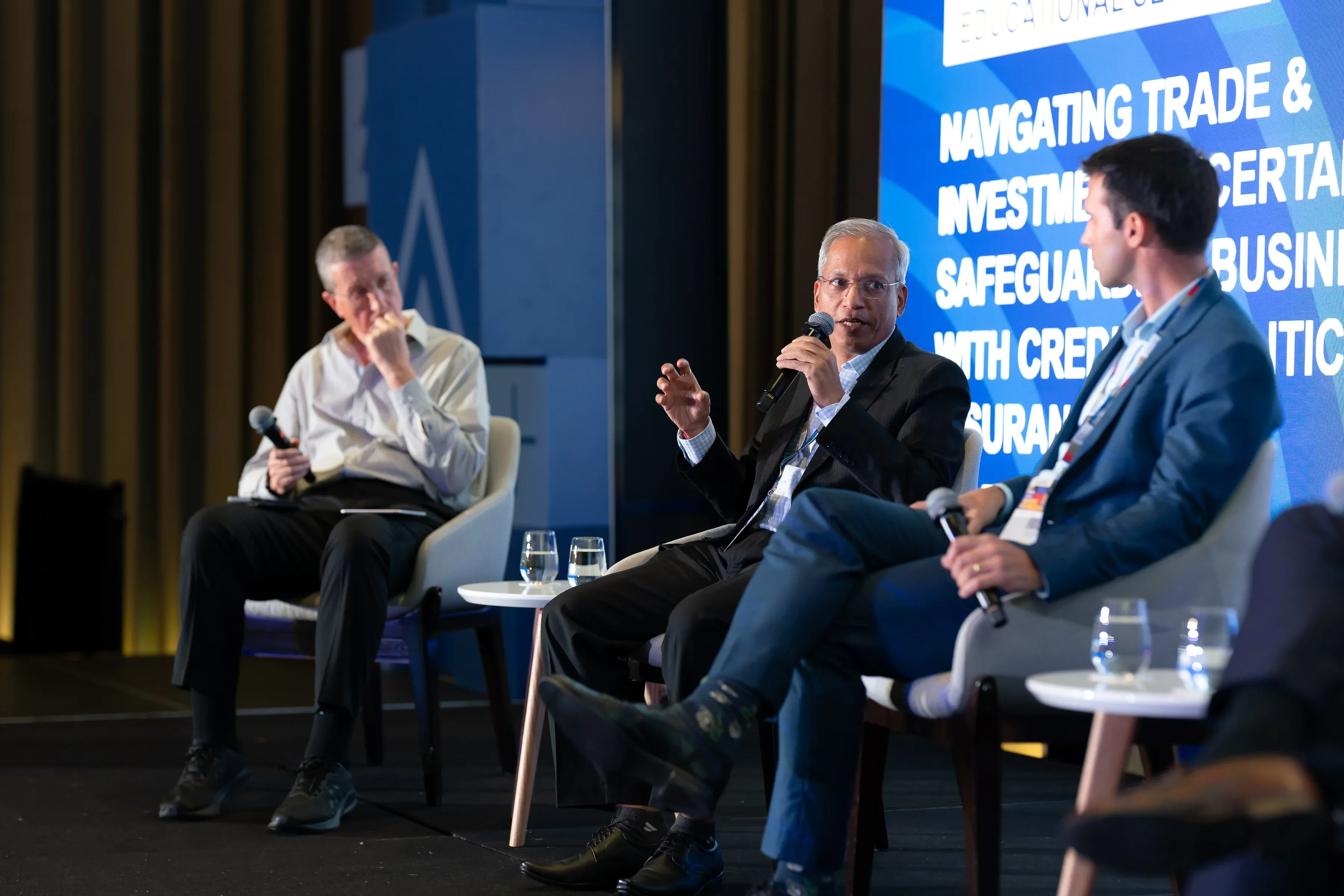
- Credit & Political Risk Insurance (CPRI) can serve as a strategic shield against trade disruption, investment volatility, and geopolitical instability in this rapidly evolving landscape. Corporations must take proactive steps to manage tail risks, protect supply chain continuity, and pursue new market opportunities with greater confidence amid global uncertainty.
- Top risks, such as geopolitical instability and supply chain disruption to the rapid implications of AI, climate change, and economic volatility, are rising to the forefront across Asia Pacific. It is imperative for business leaders to adapt their strategies where priorities are shifting, and translate uncertainty into informed action and opportunity.
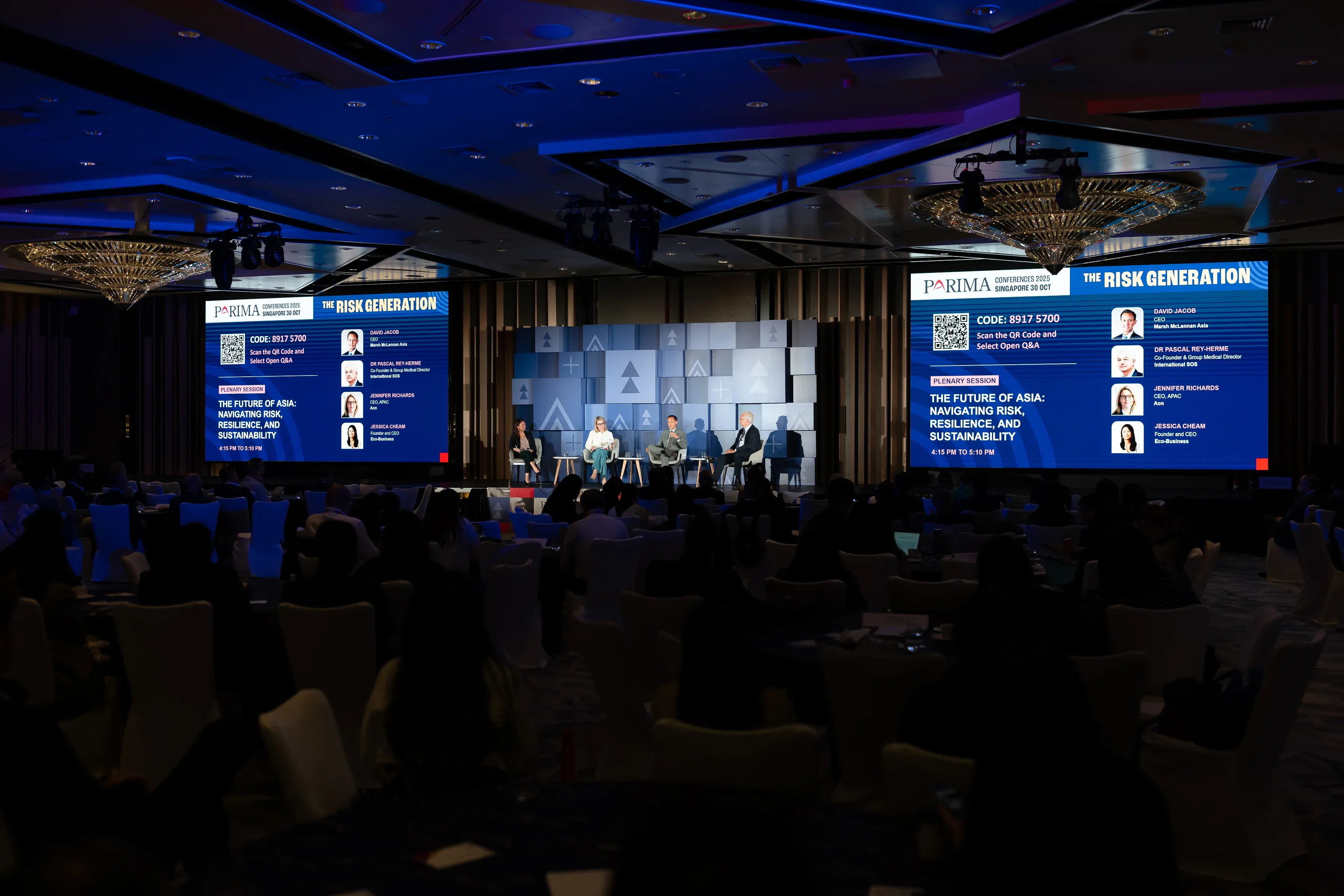
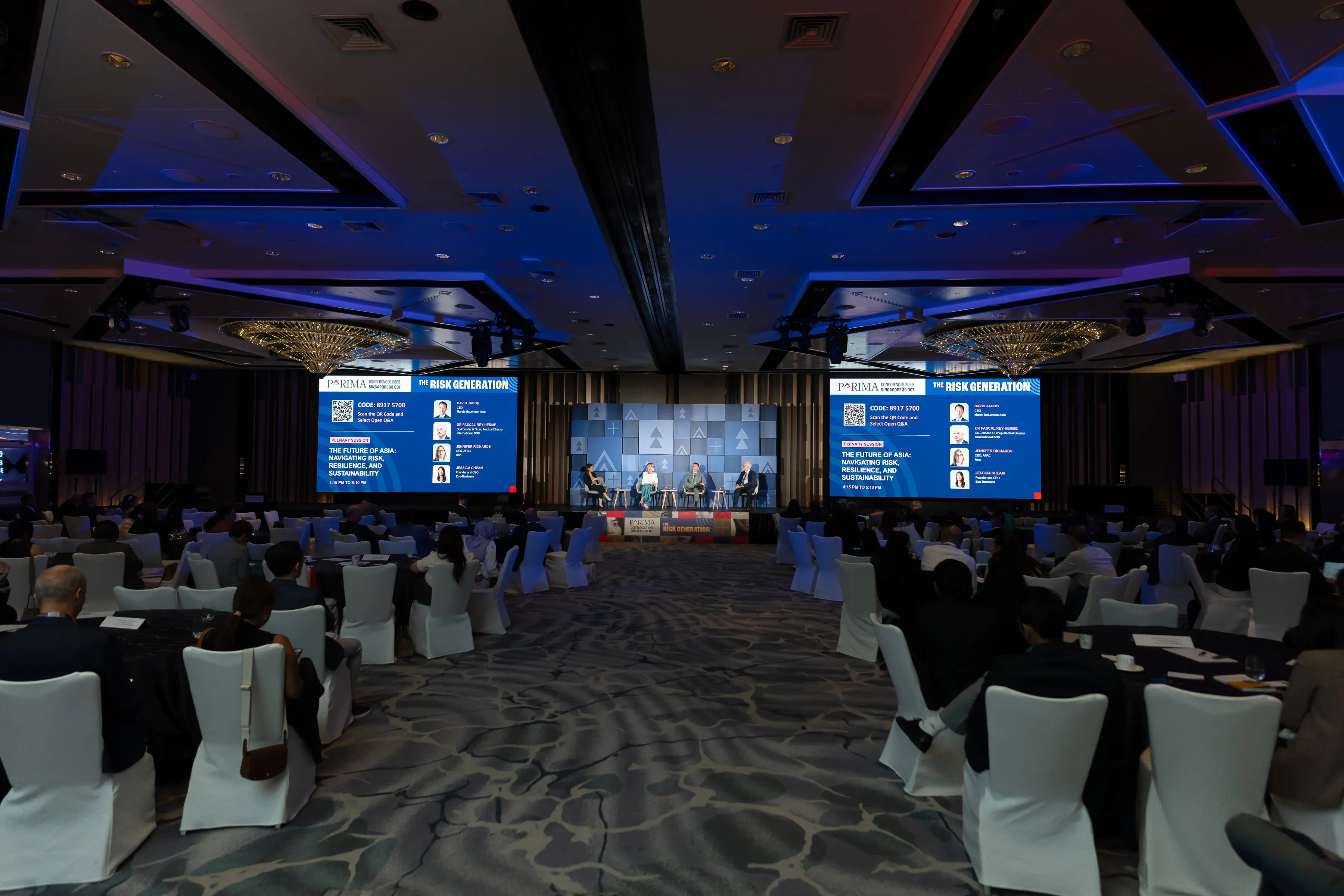
- Technological advancement, shifting geopolitical dynamics, supply chain pressures, and accelerating sustainability are defining Asia’s next chapter. Balance is required between growth and responsibility — while supporting the region’s ambition to remain both a global economic engine and a leader in sustainable progress.
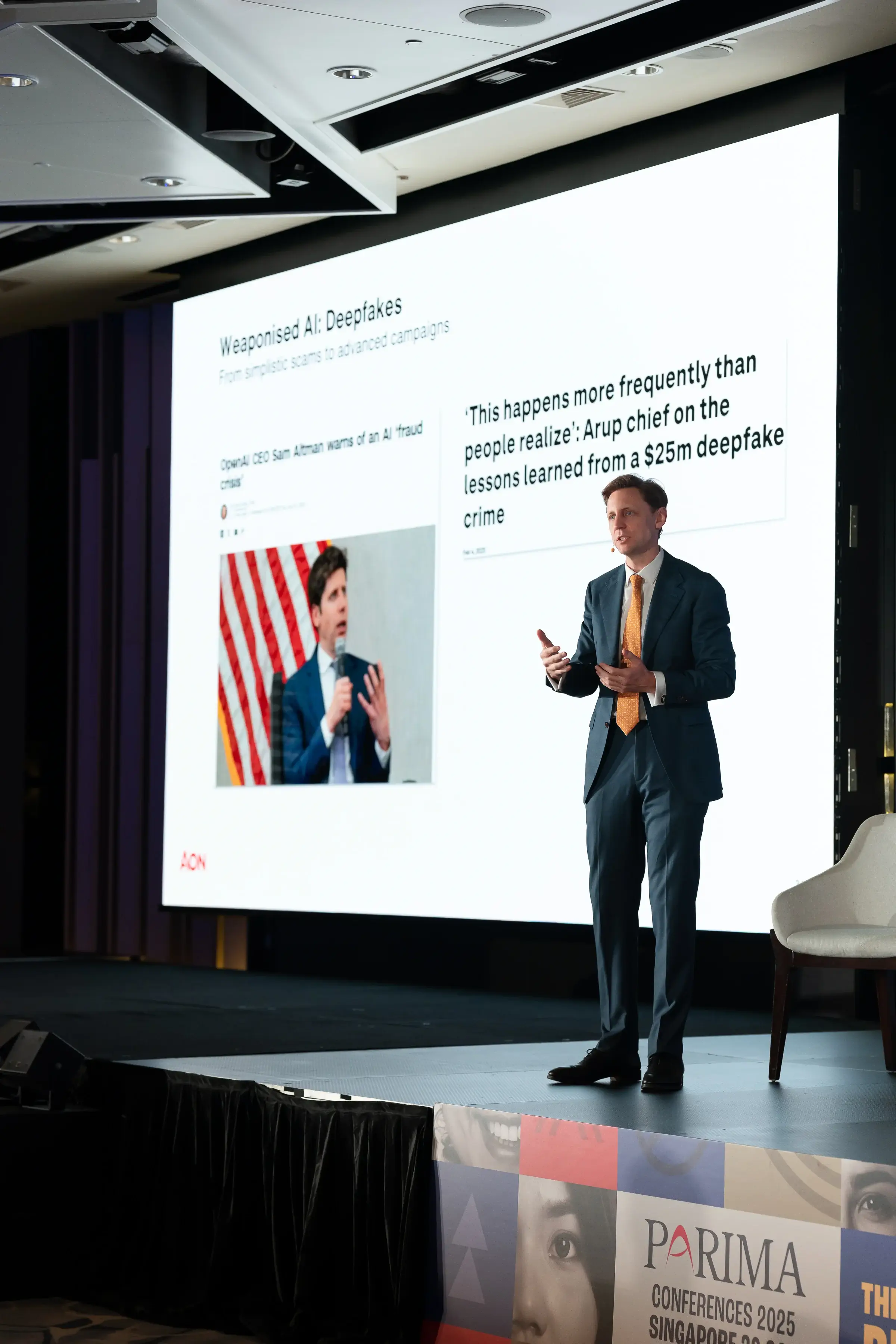
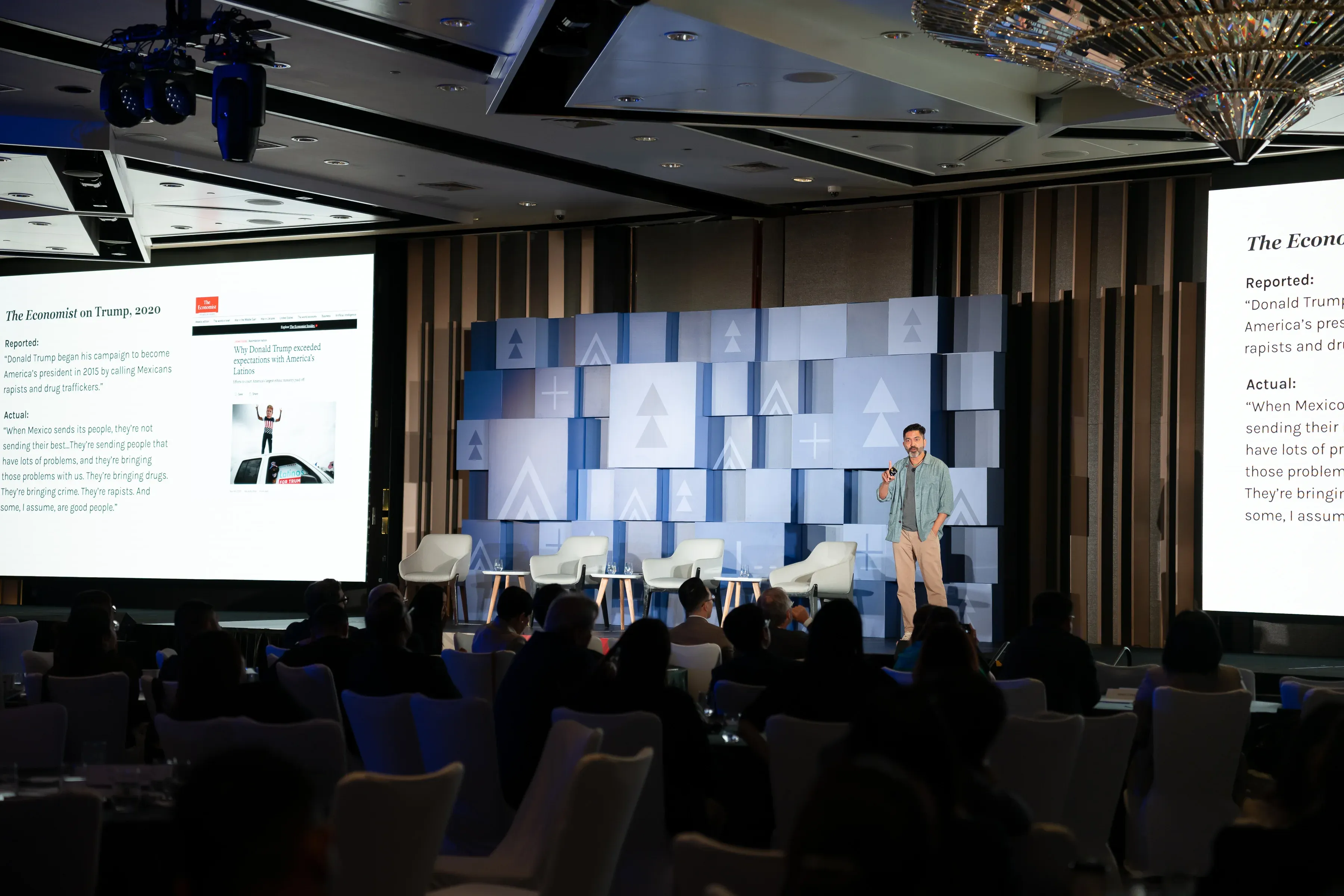
- Misinformation, digital disruption, and the rise of AI are transforming how we consume, interpret, and trust information today. Risk leaders need to sharpen their ability to discern credible sources, evaluate narratives, and make informed decisions in environments where truth is contested and signals often compete with noise.
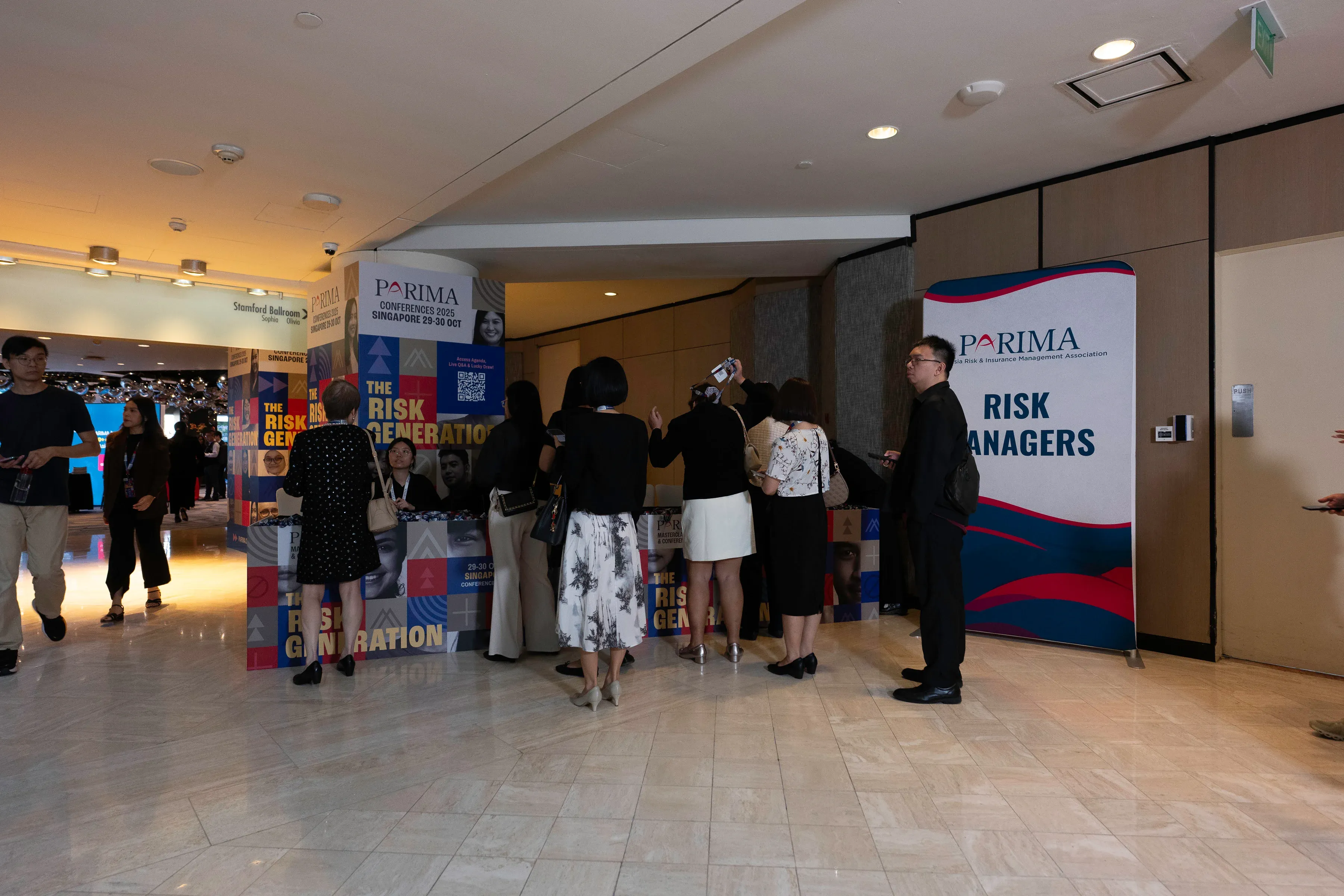
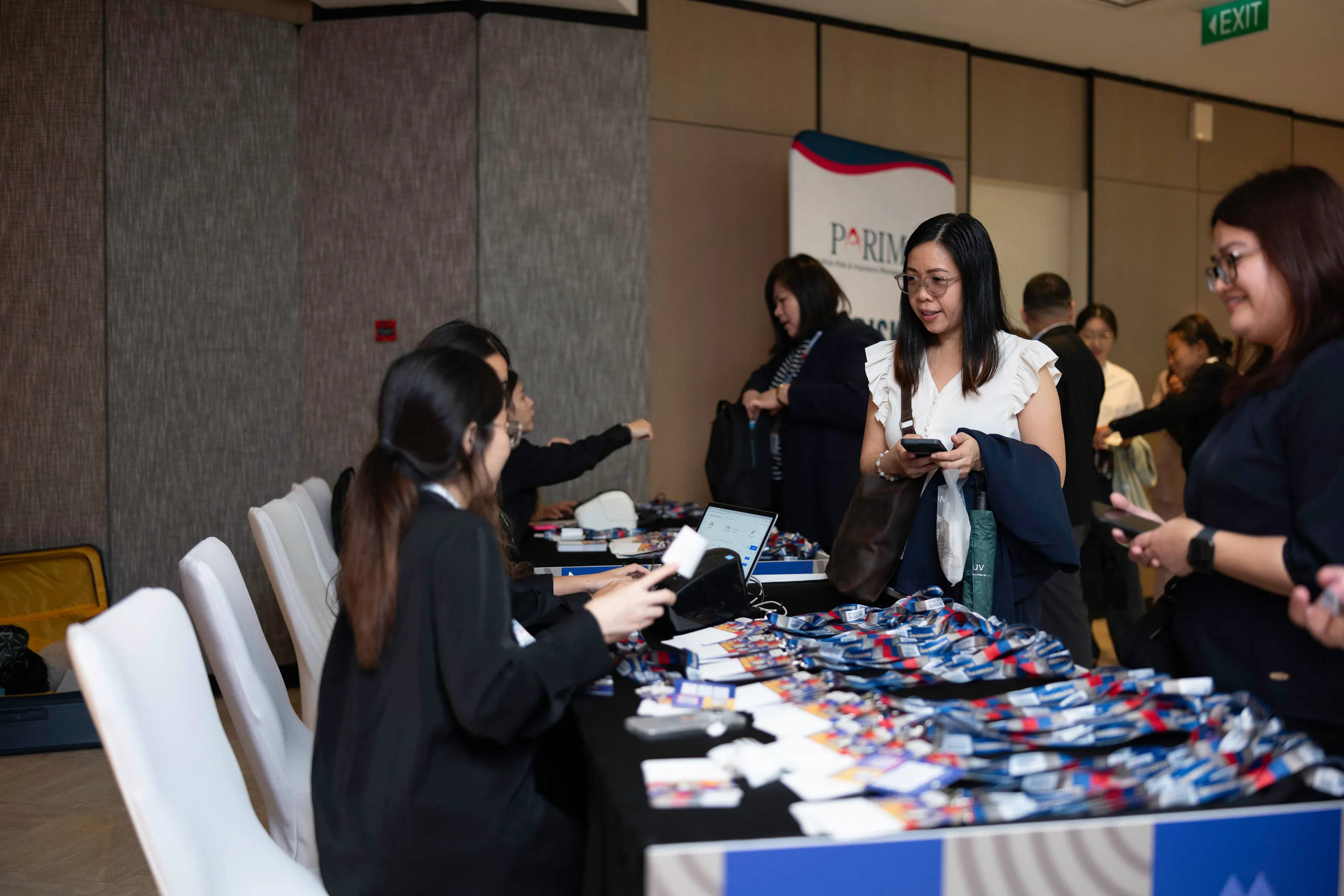
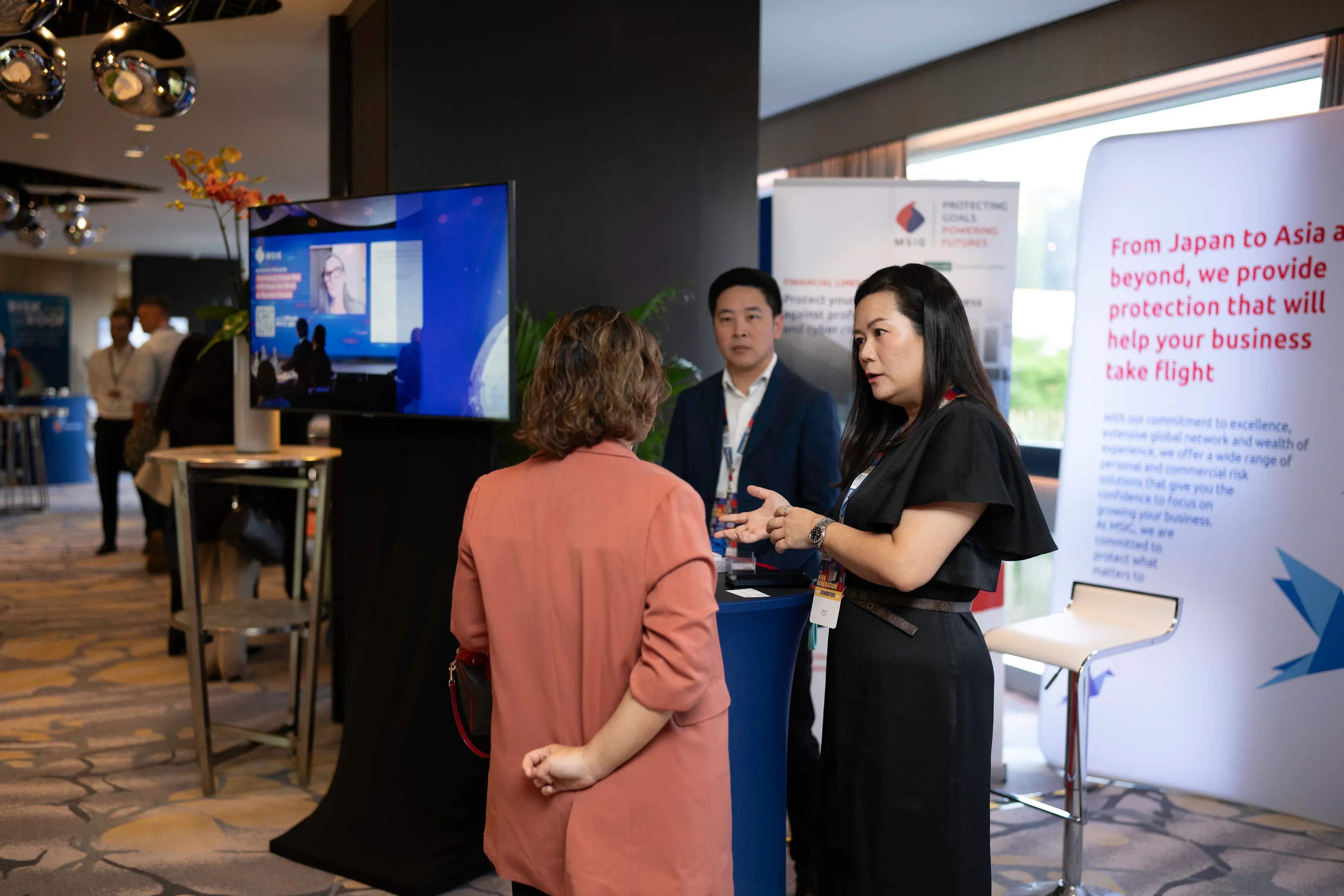
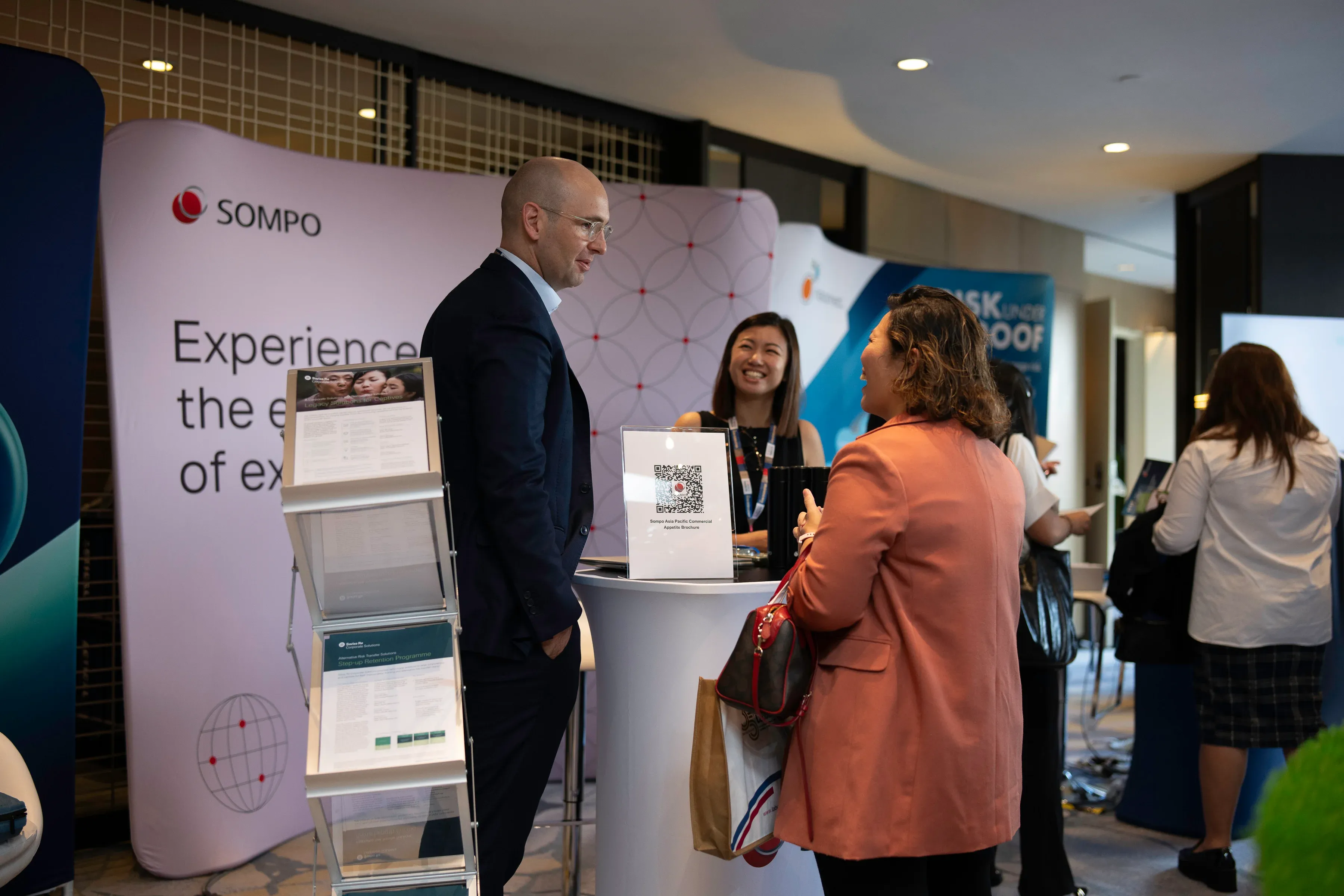
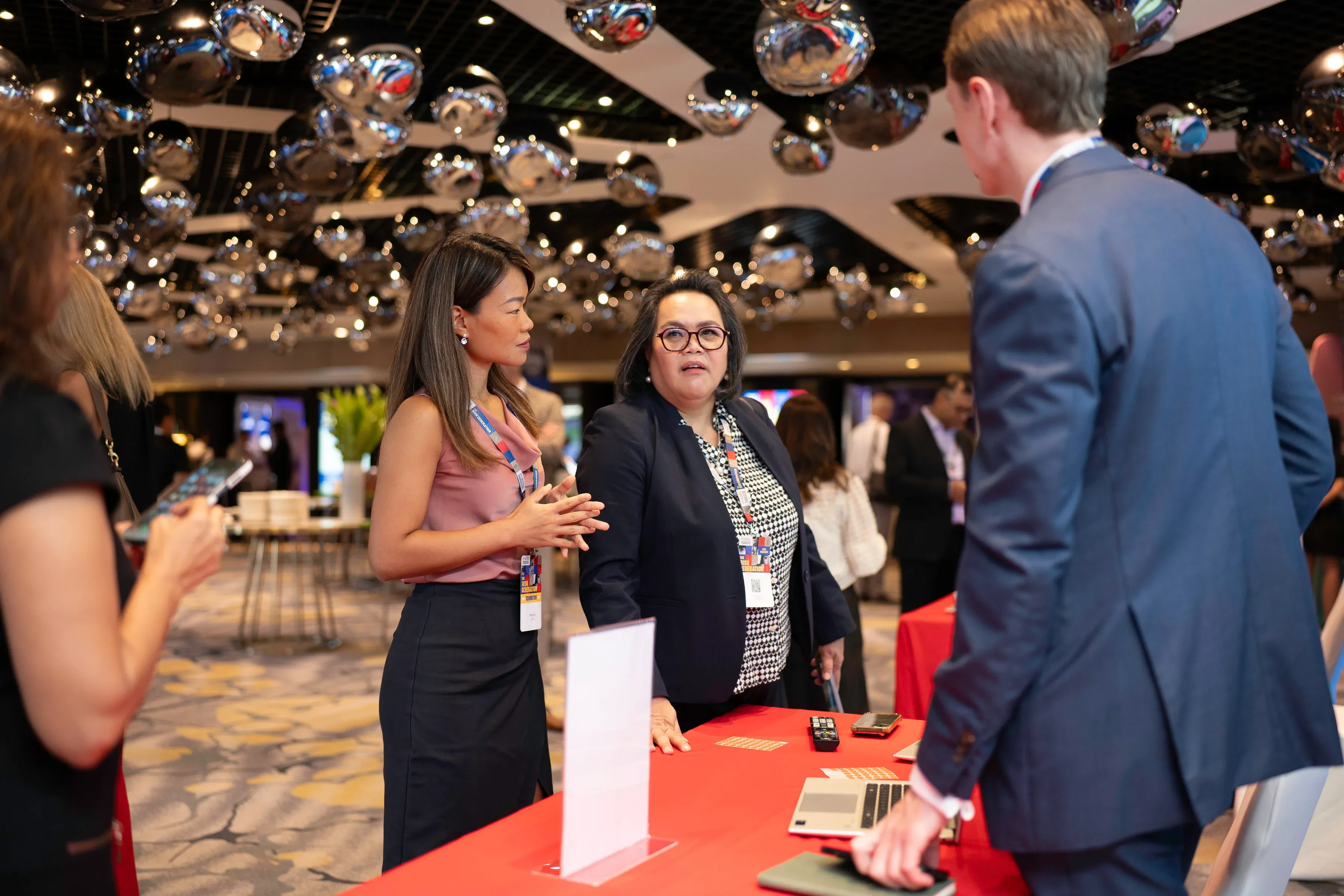
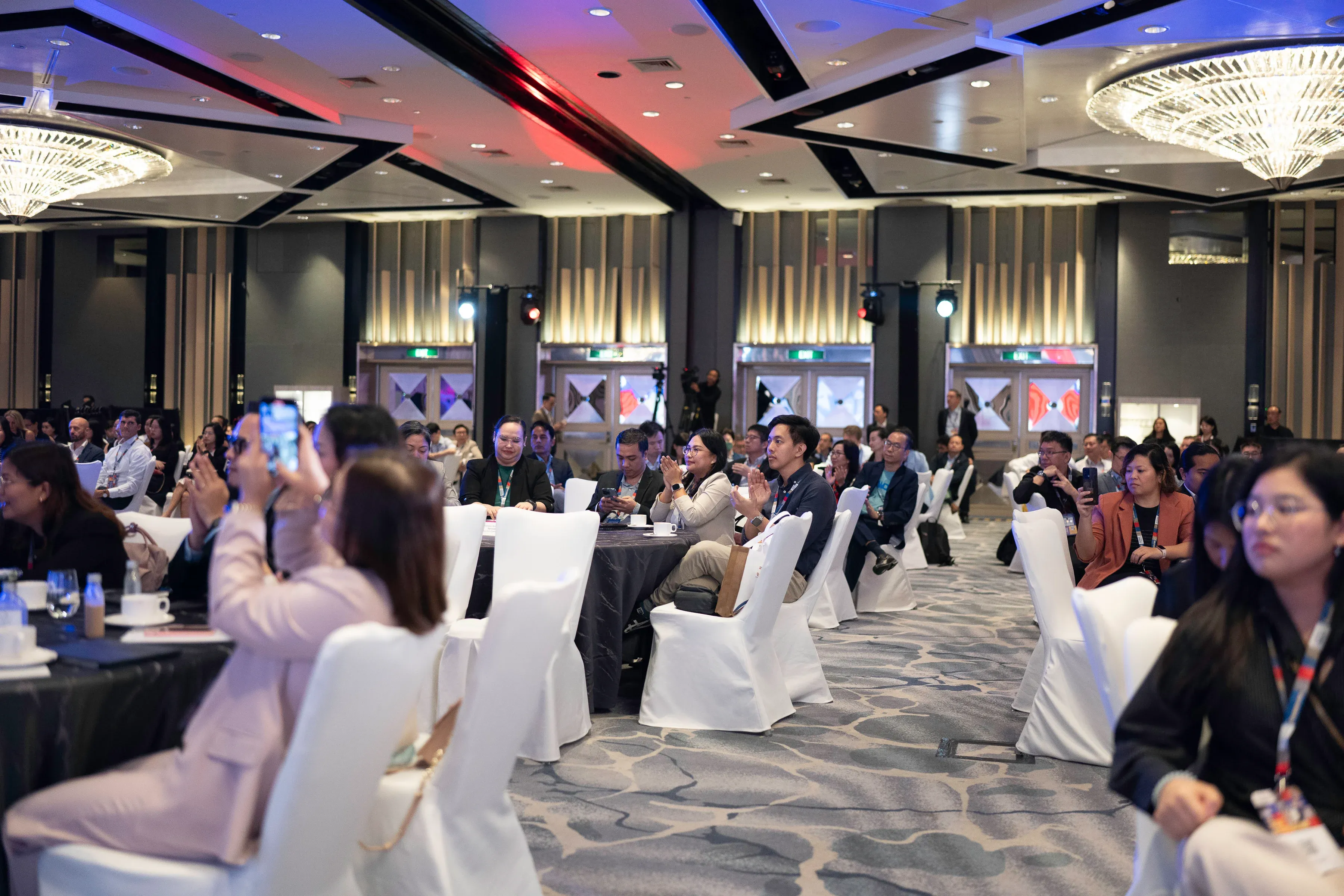
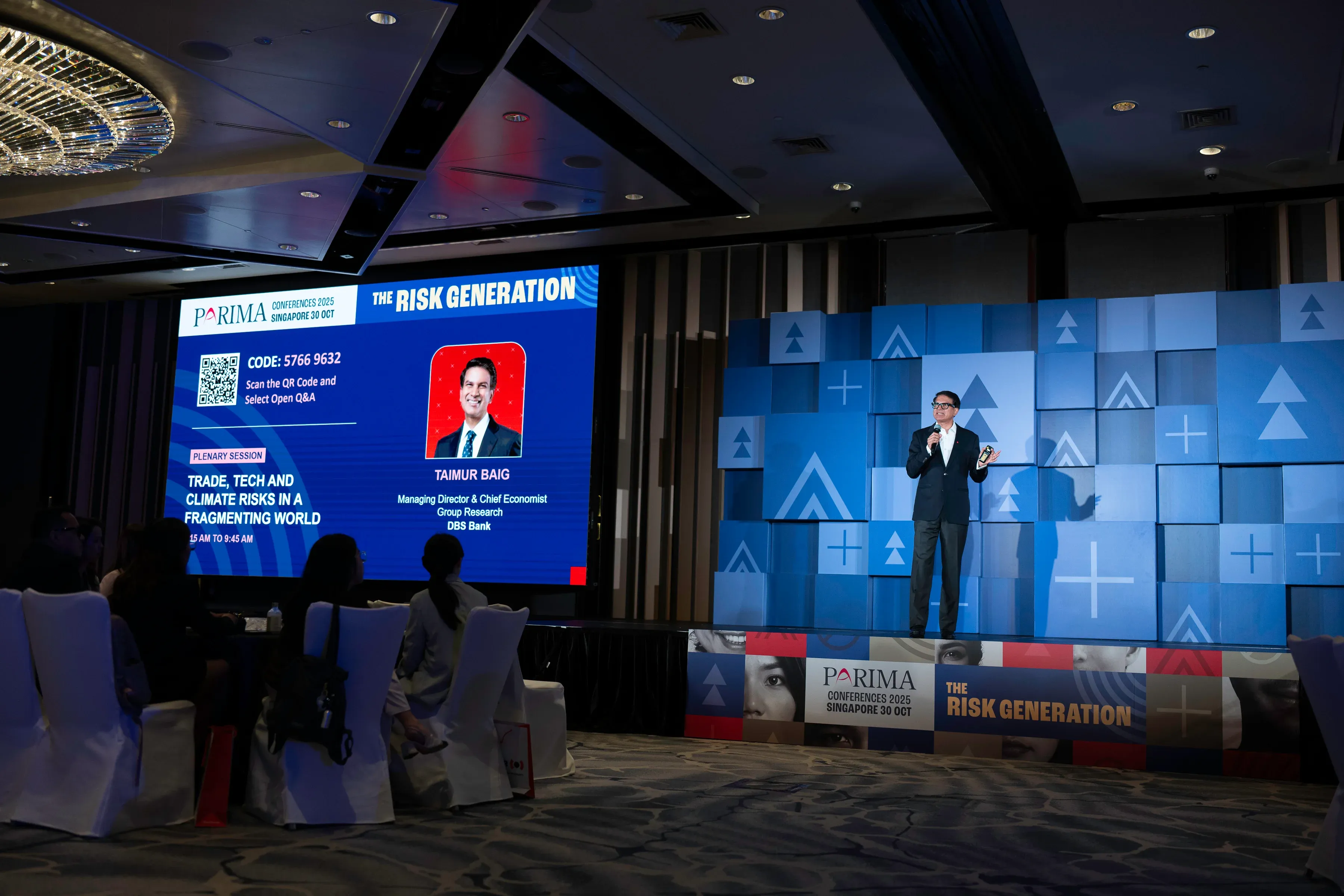
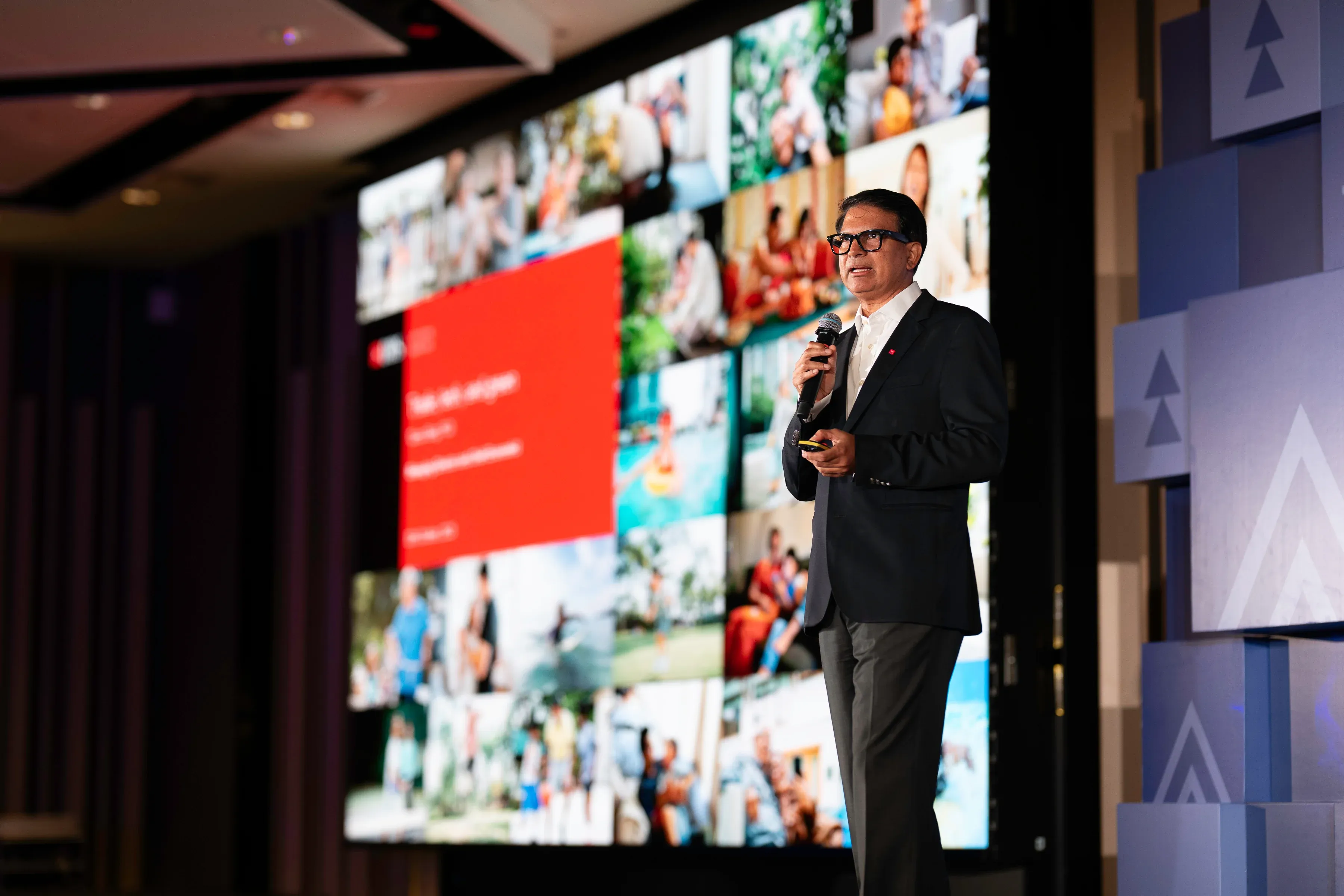
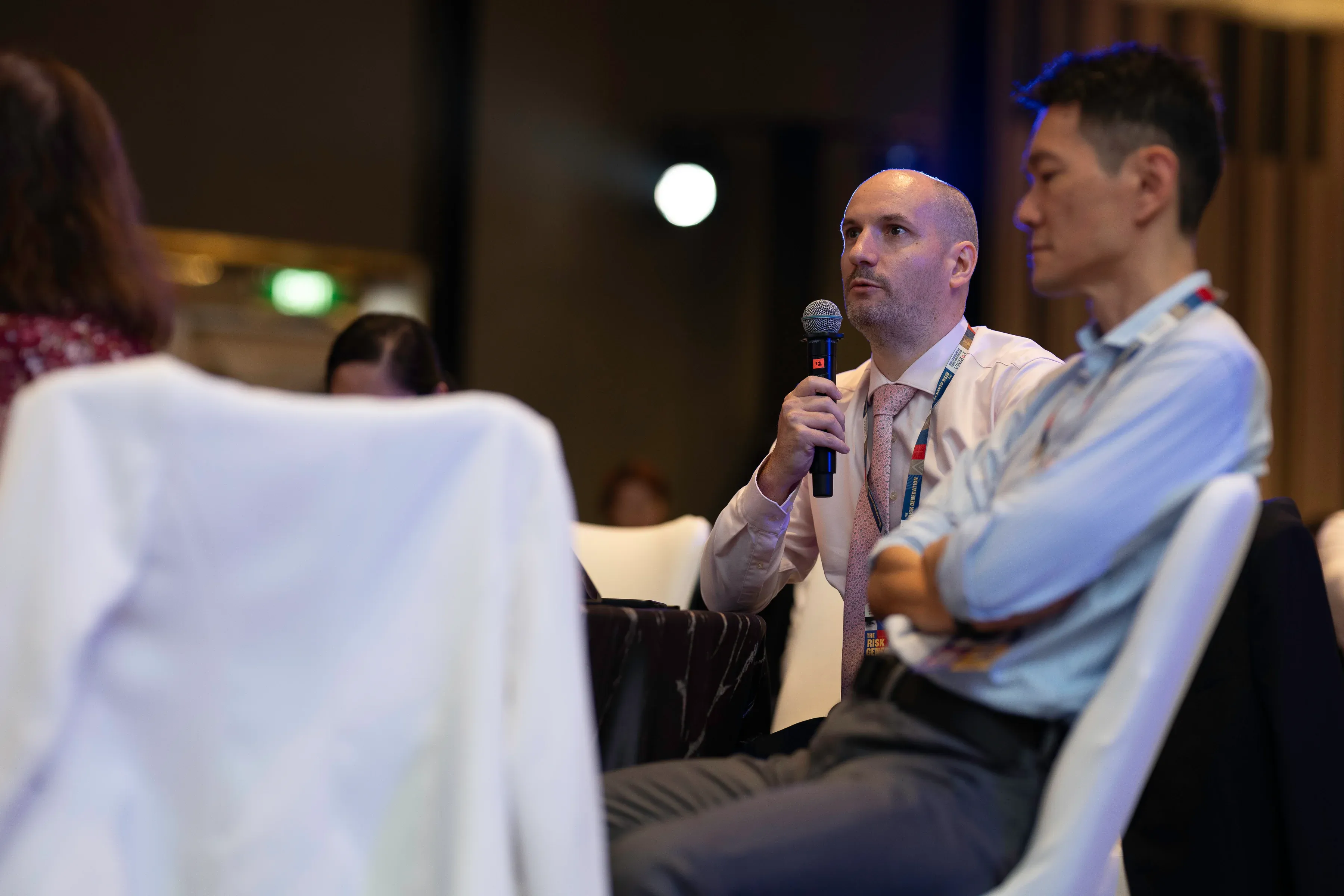
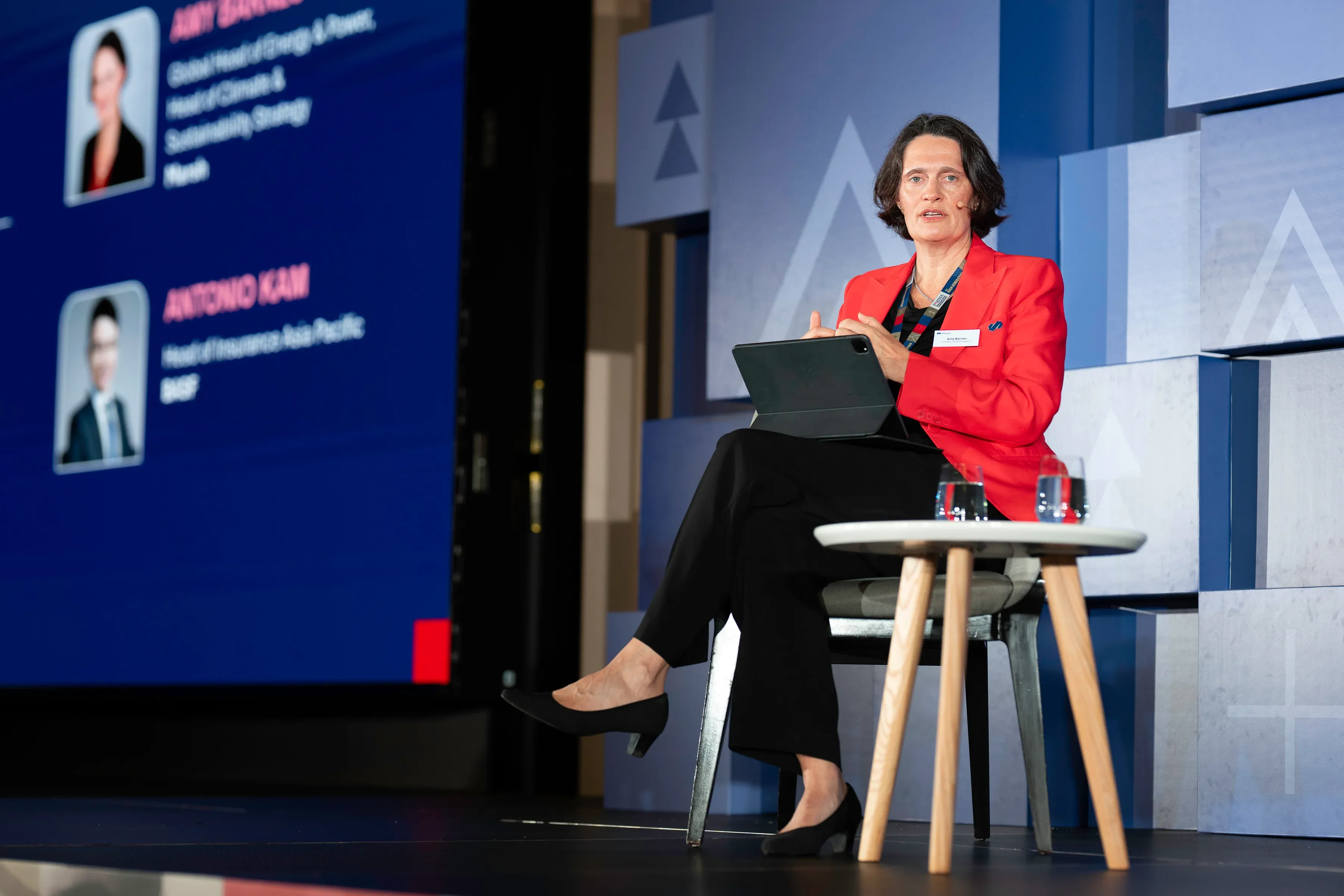
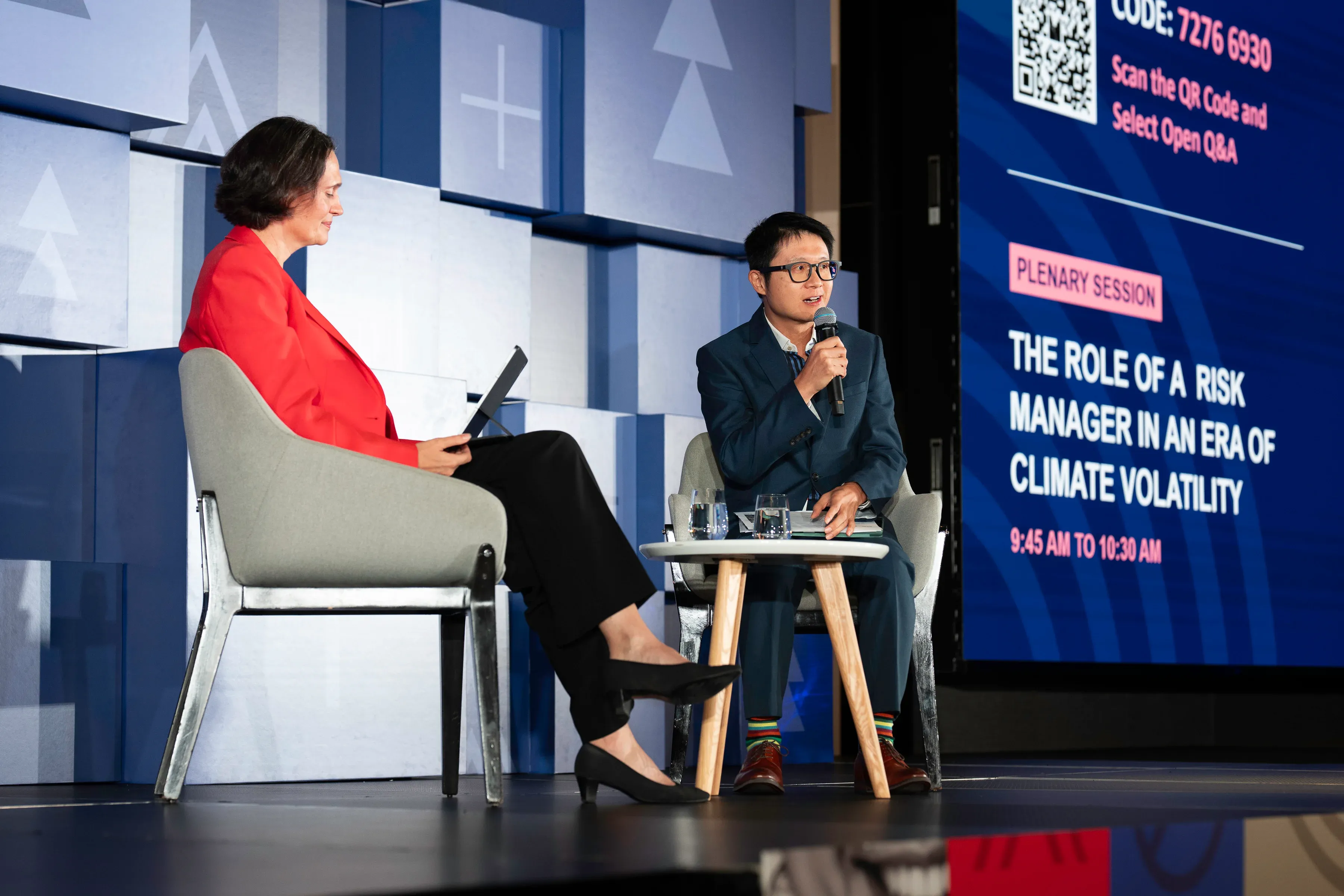
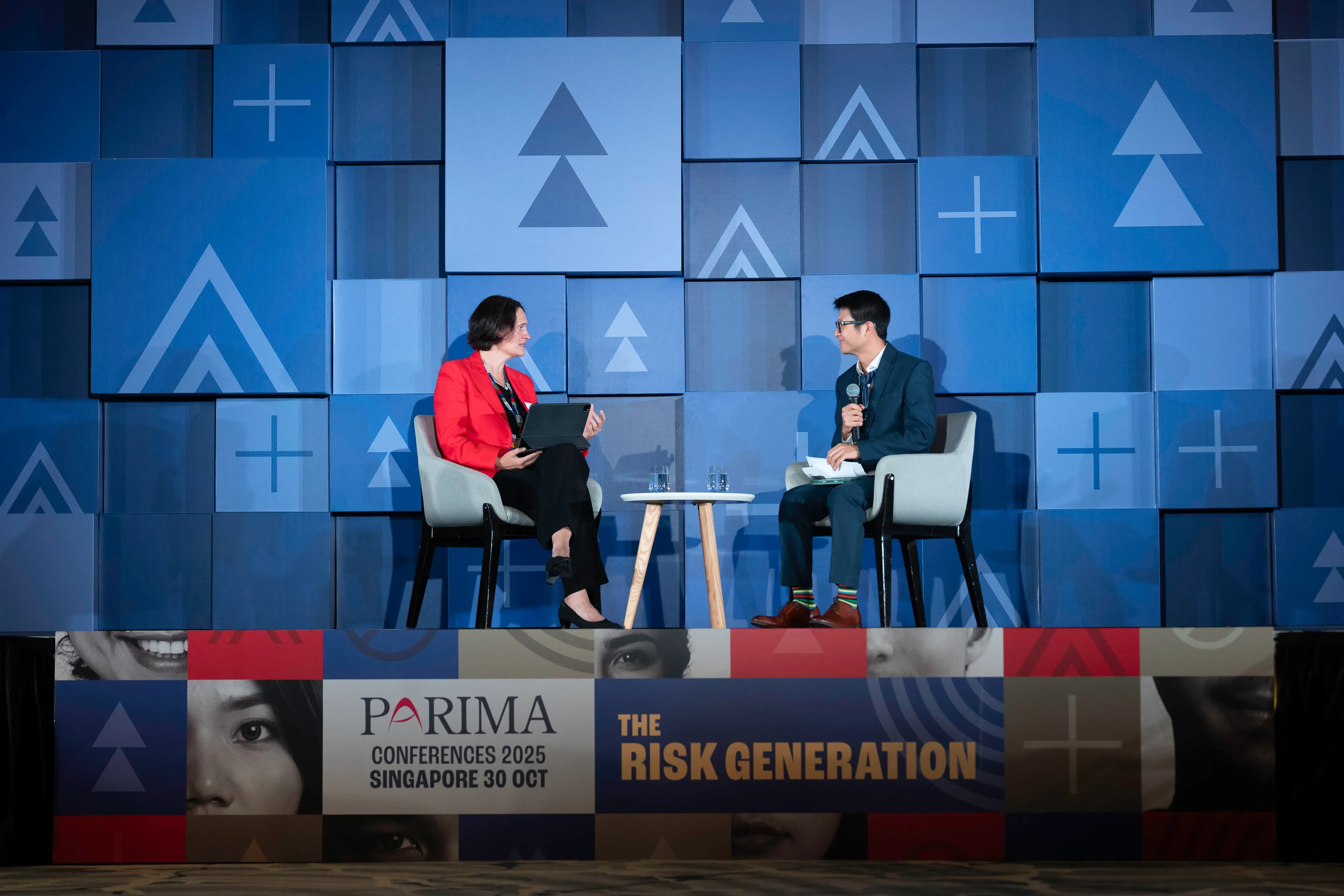
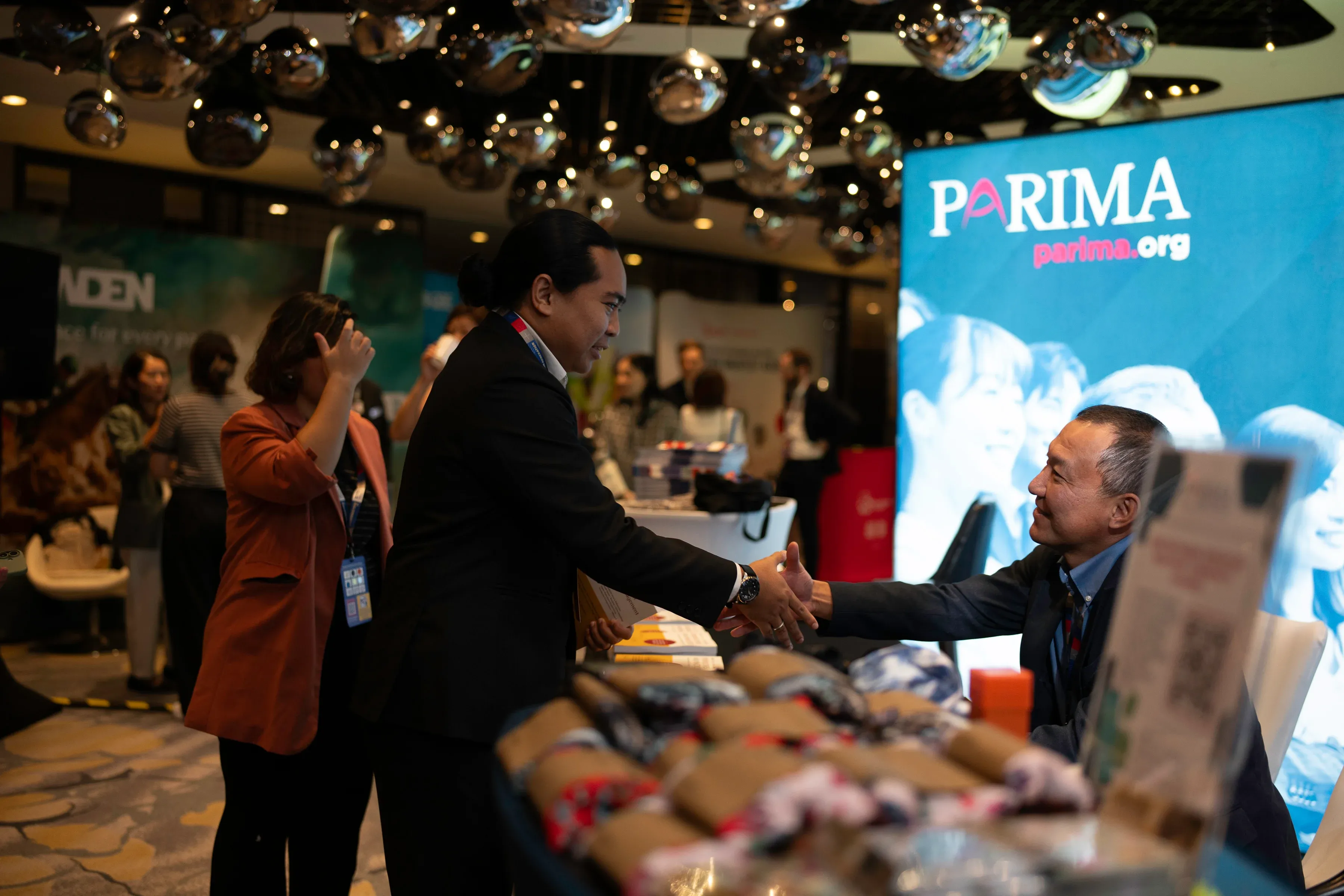
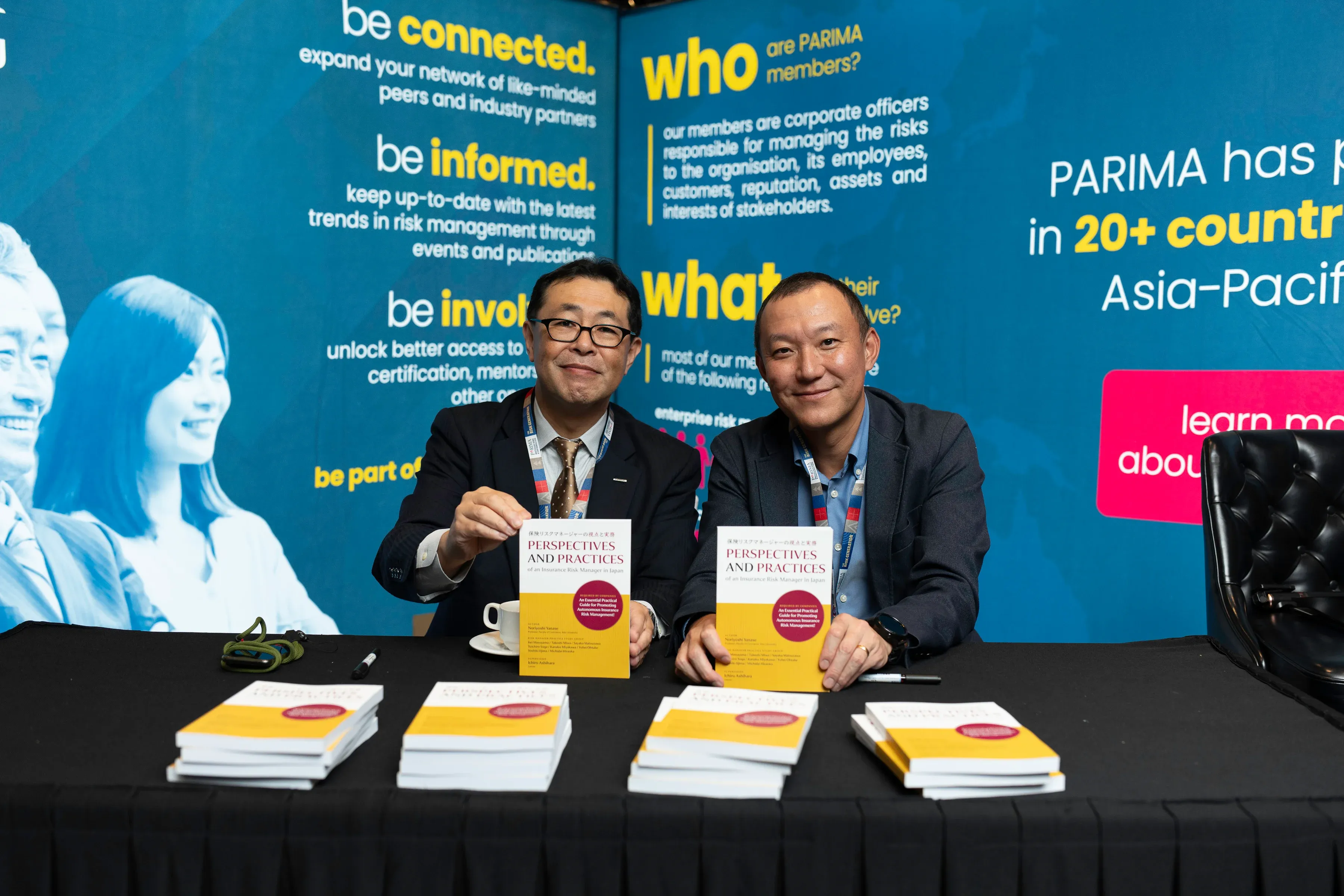
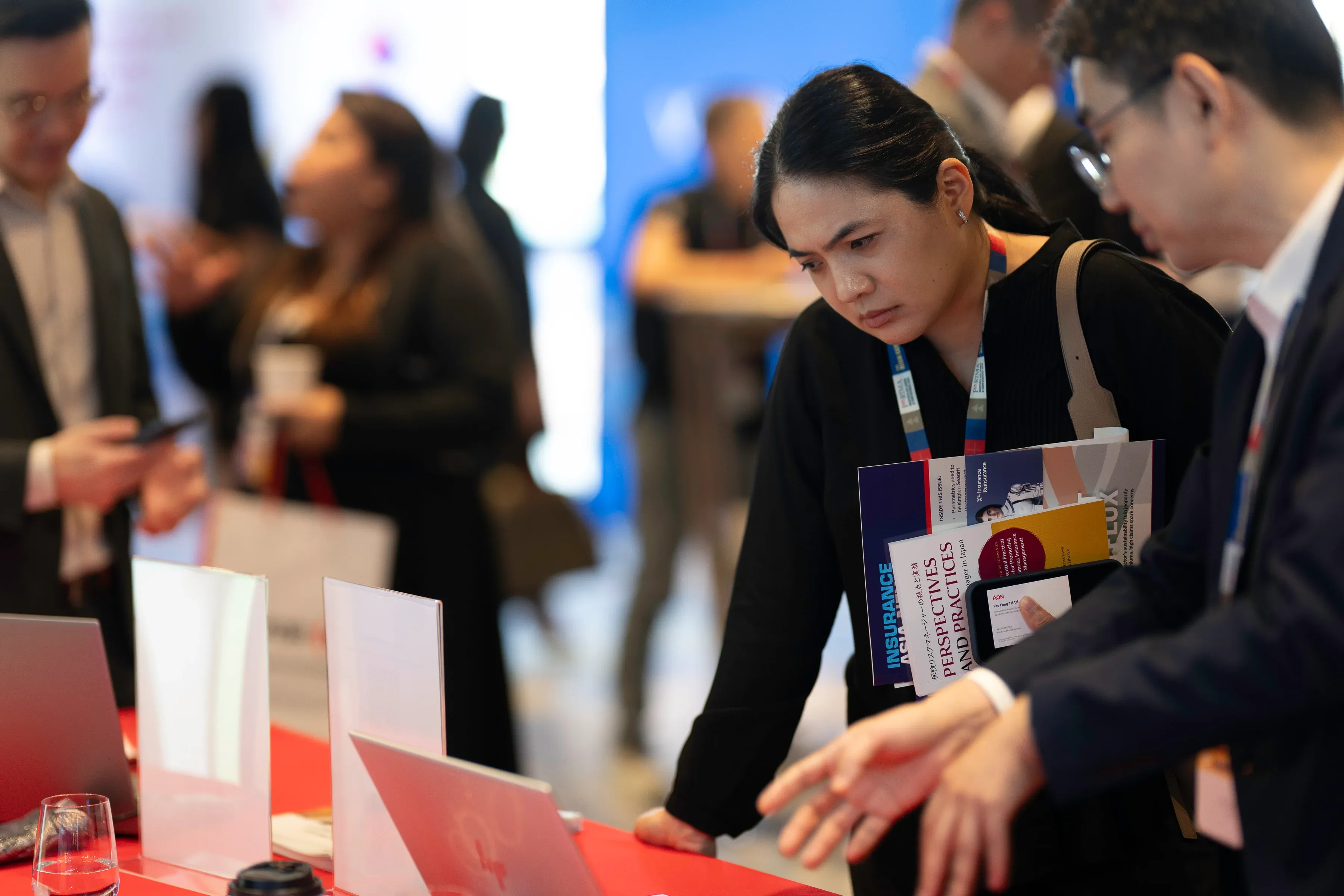
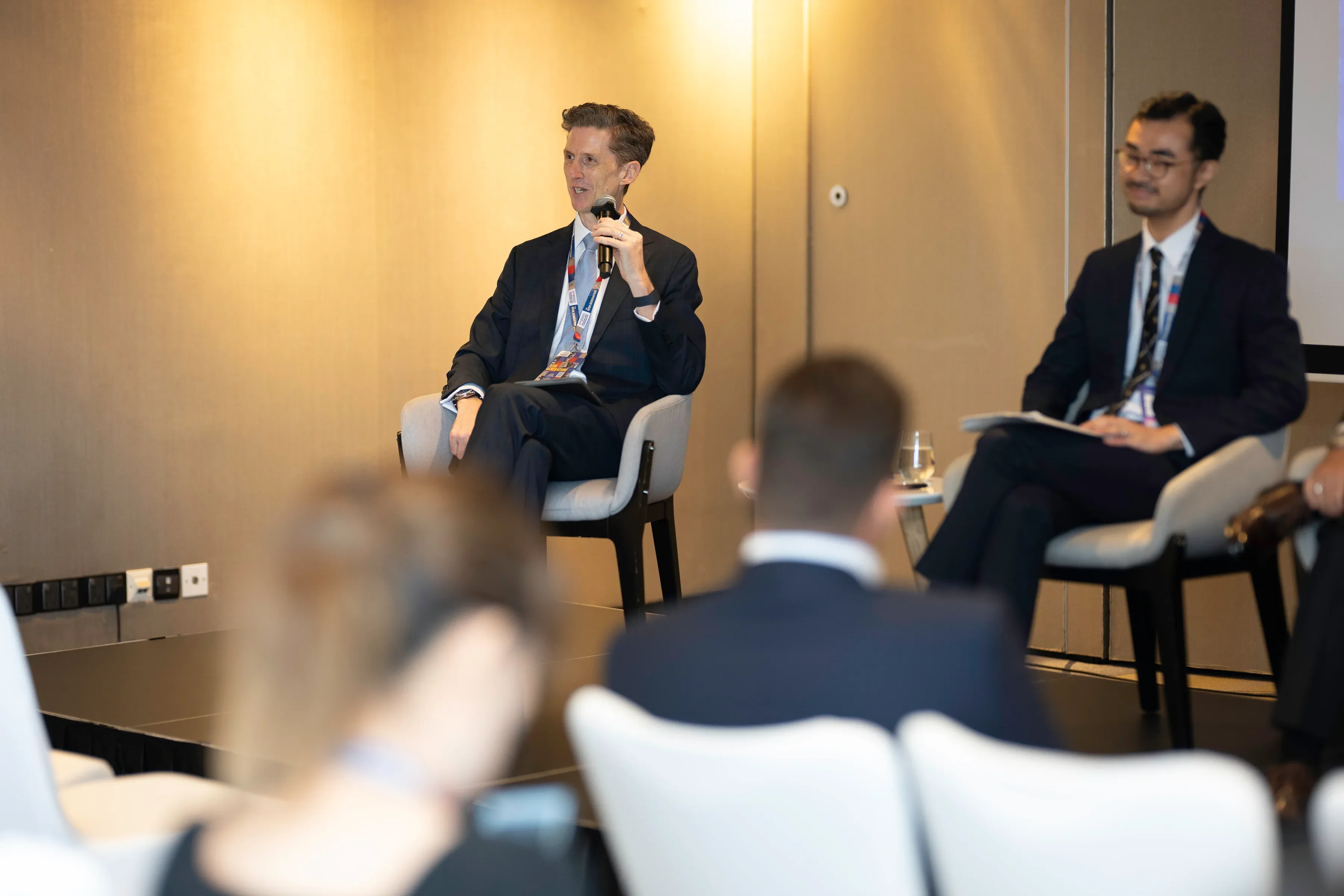
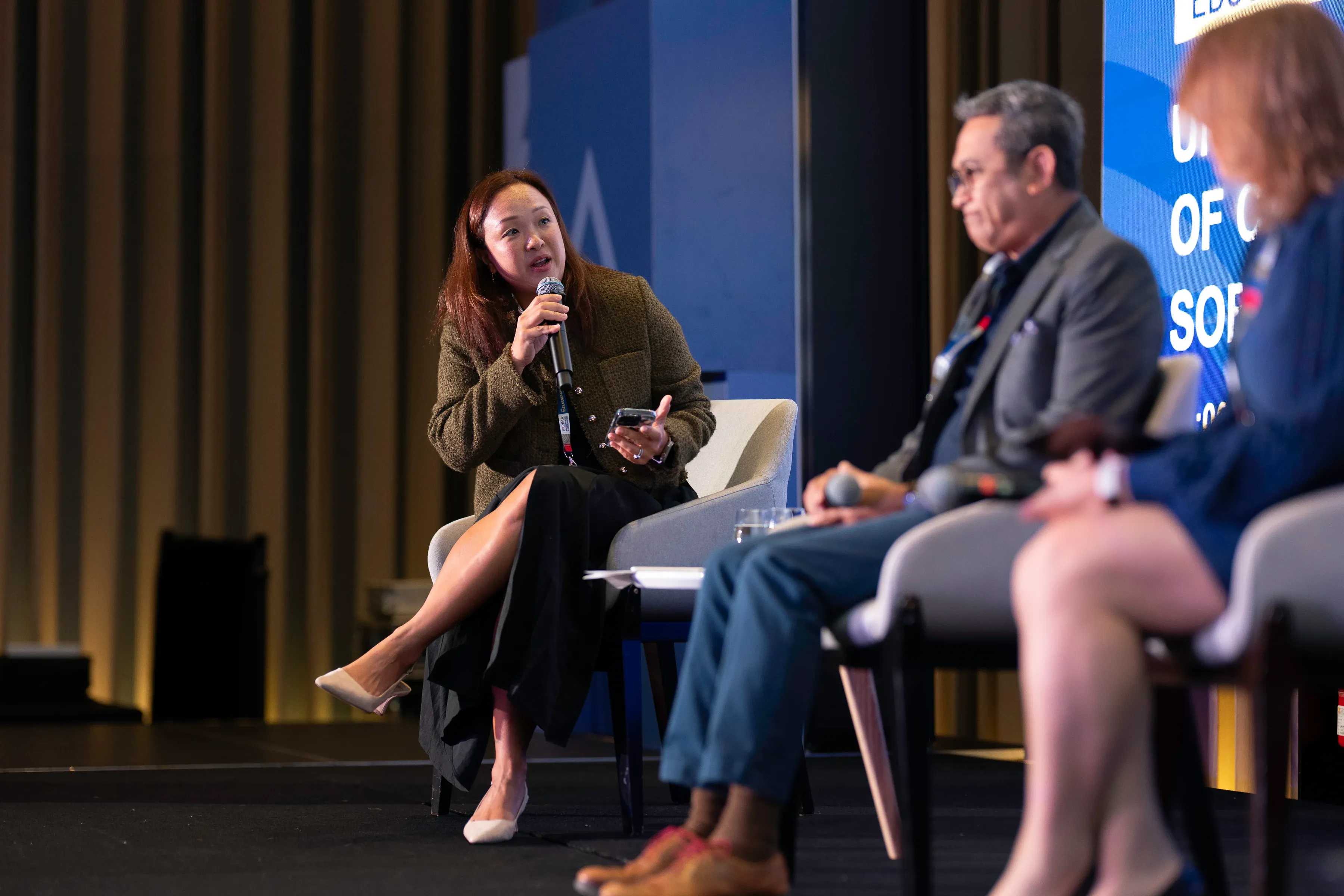
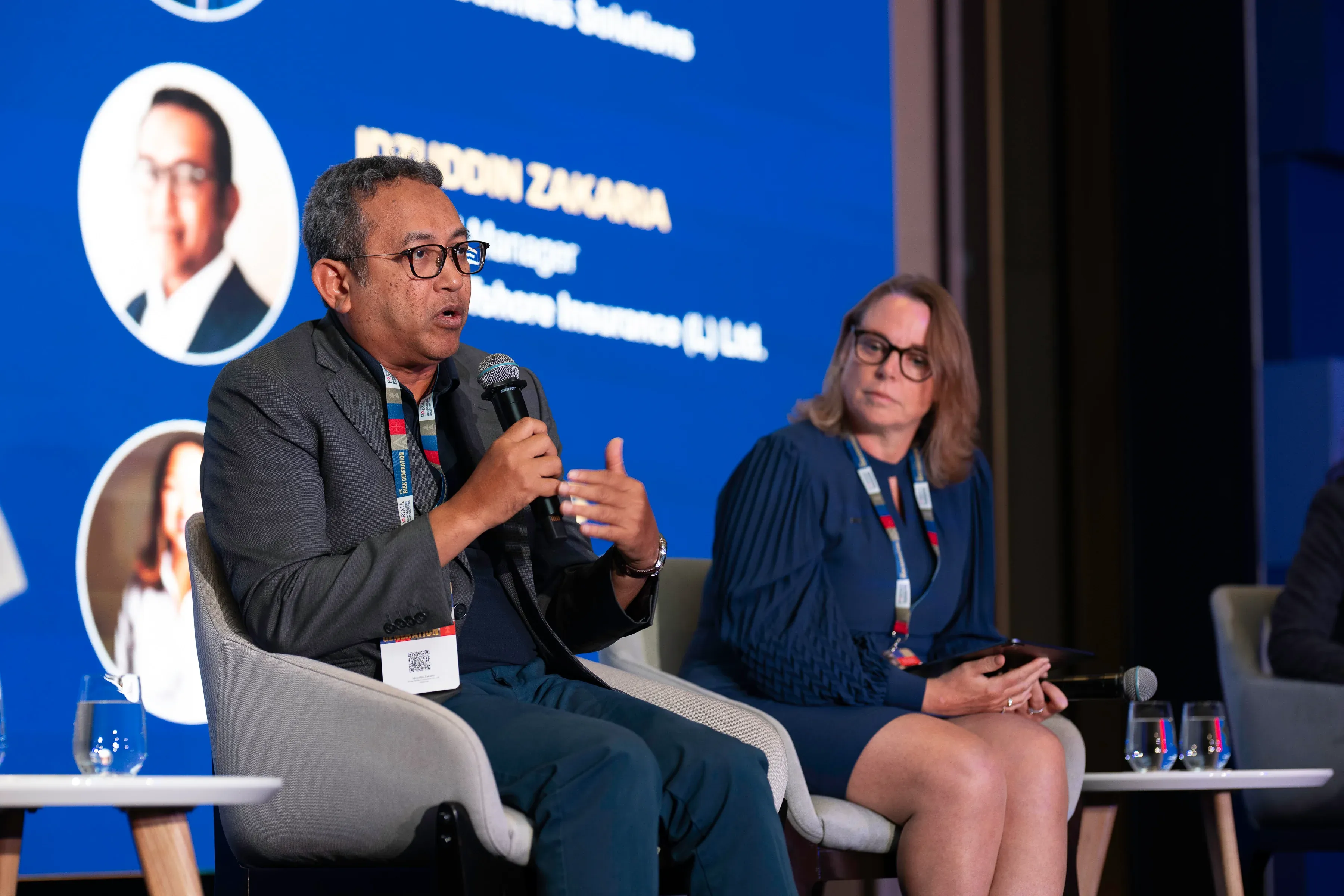
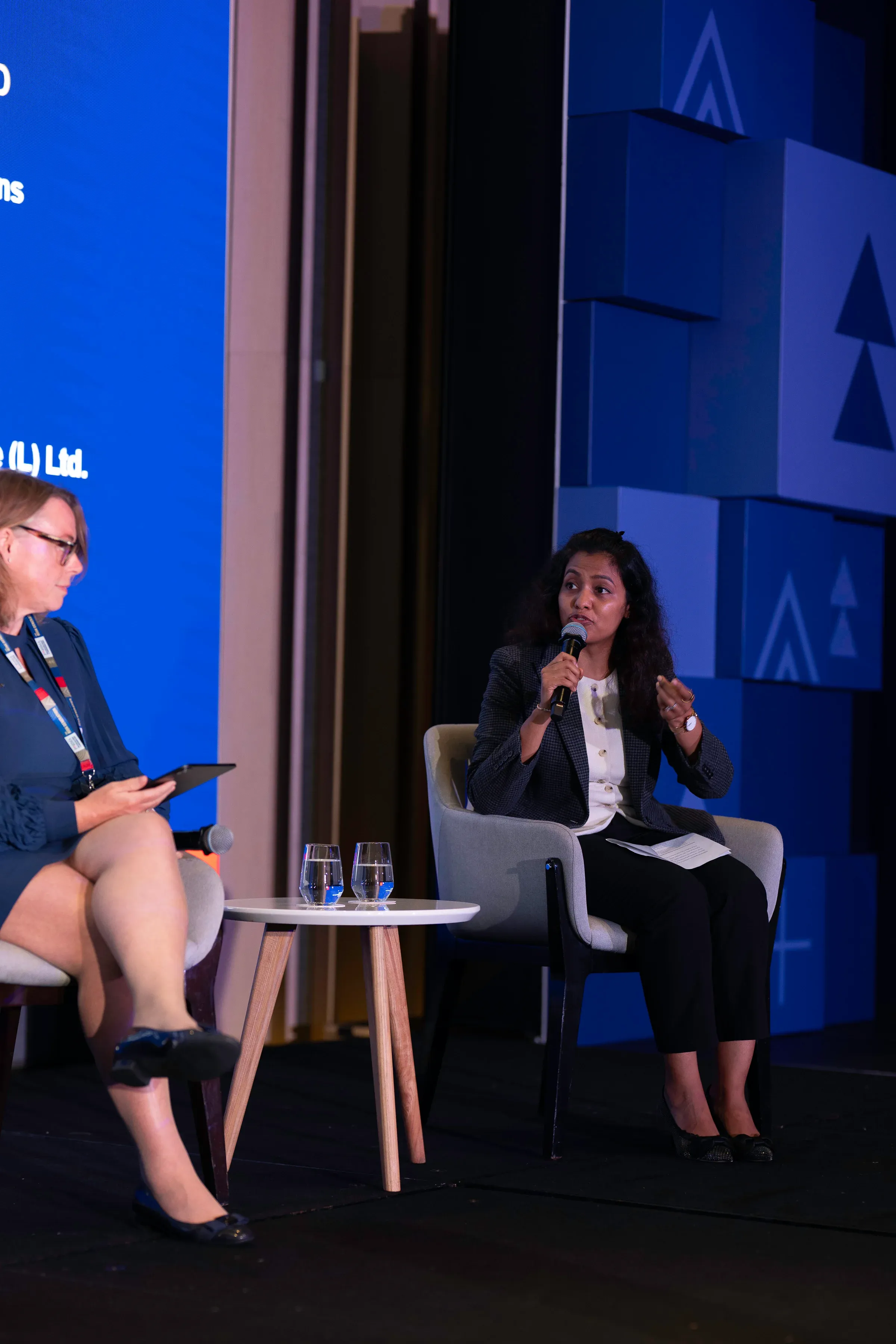
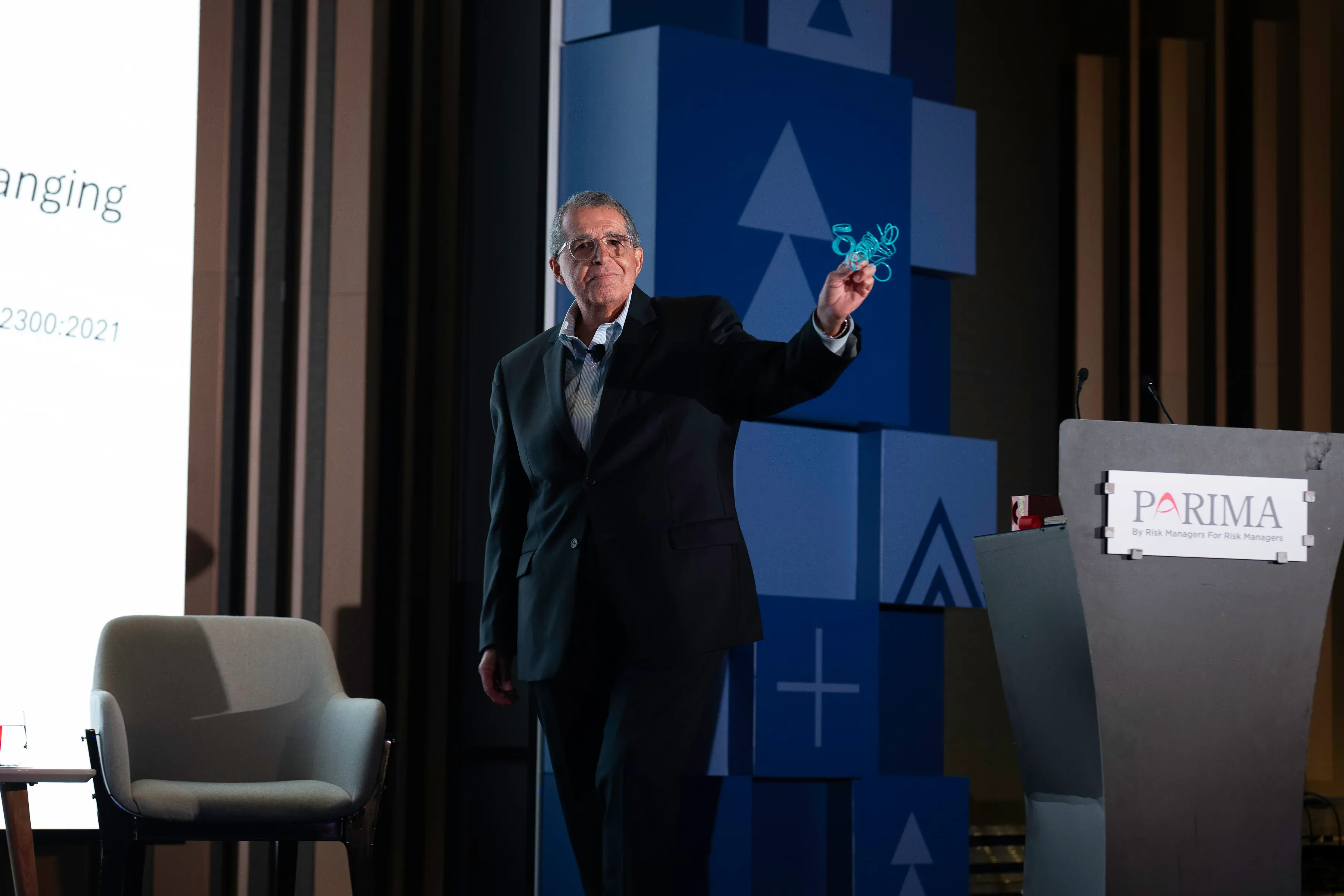
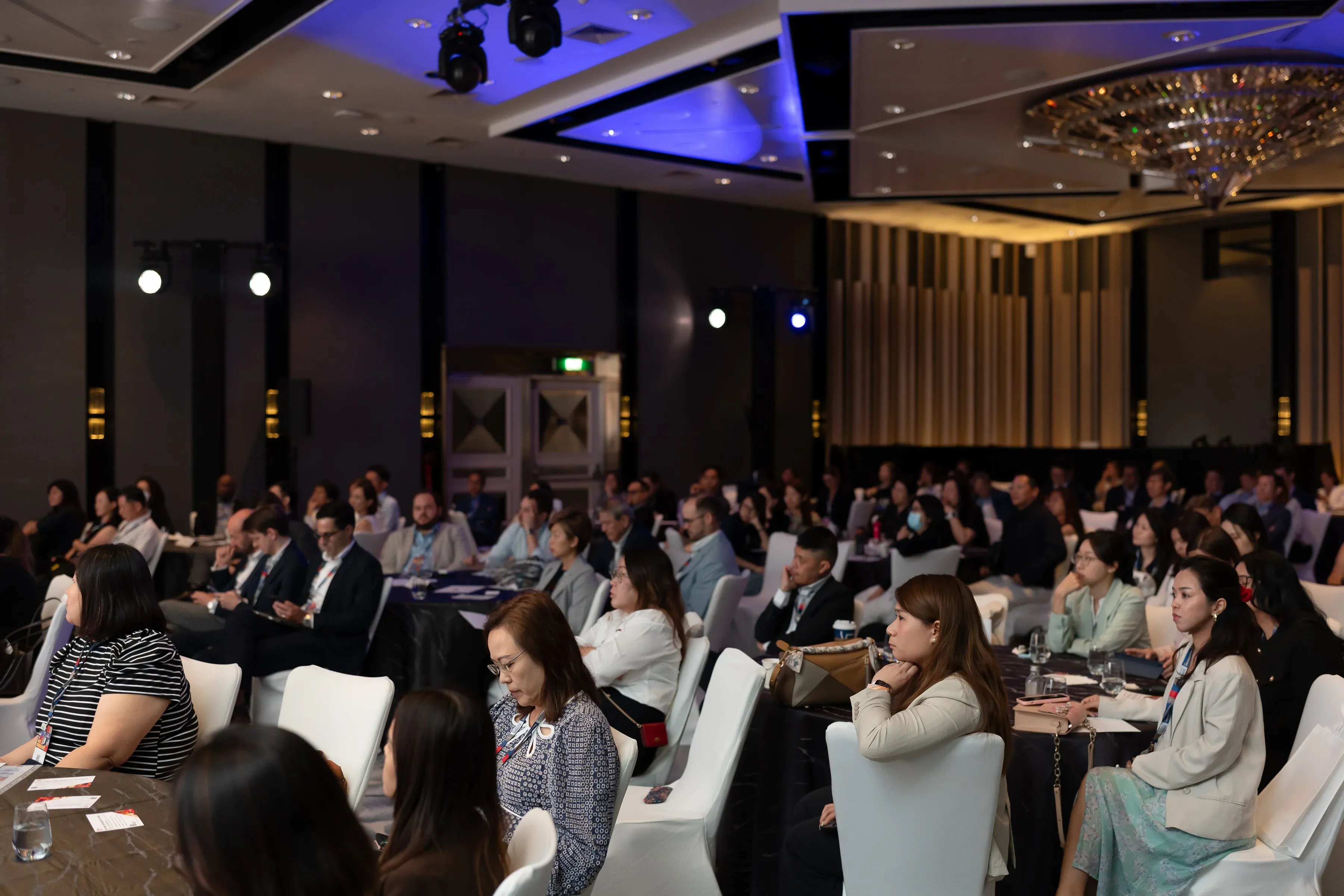
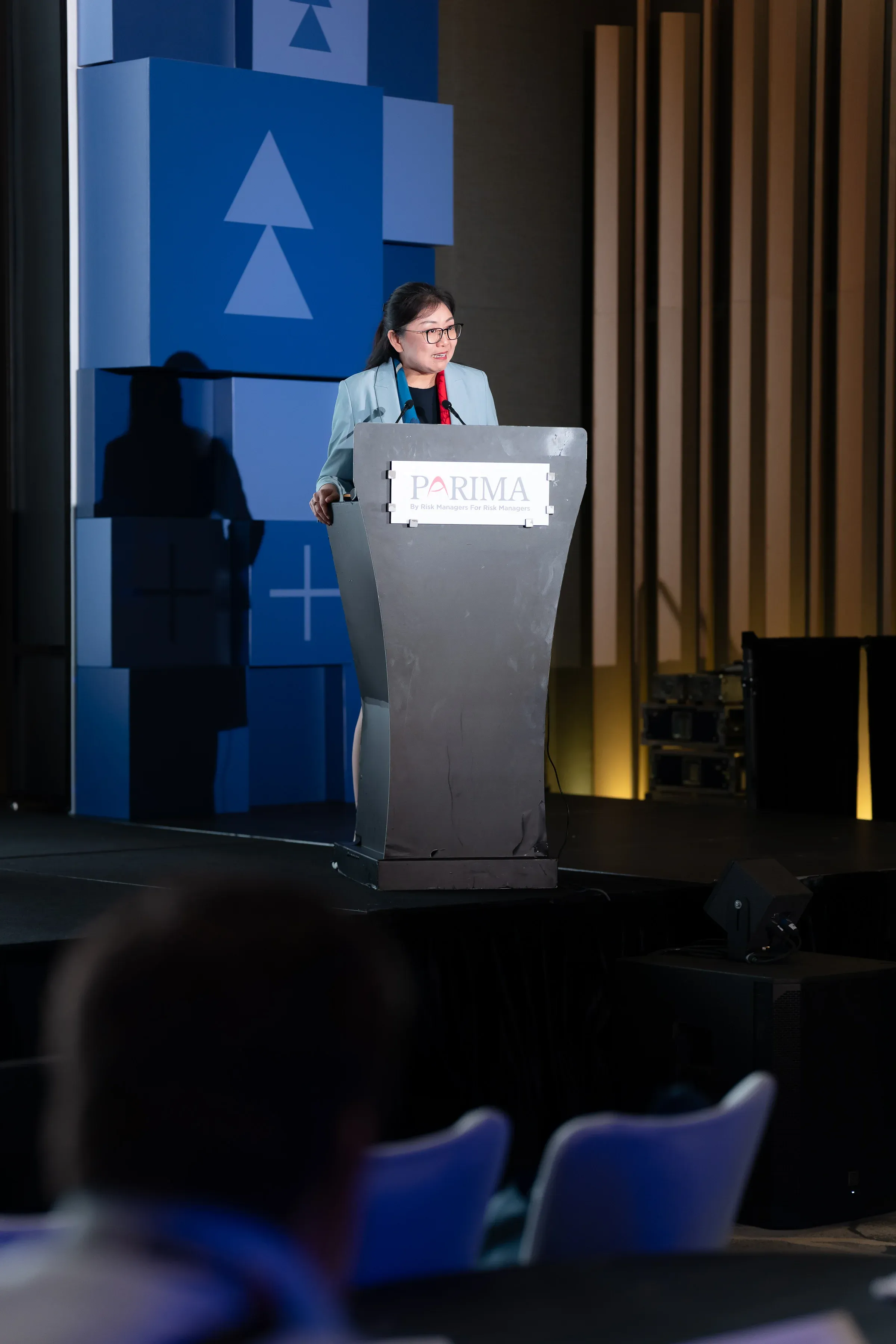
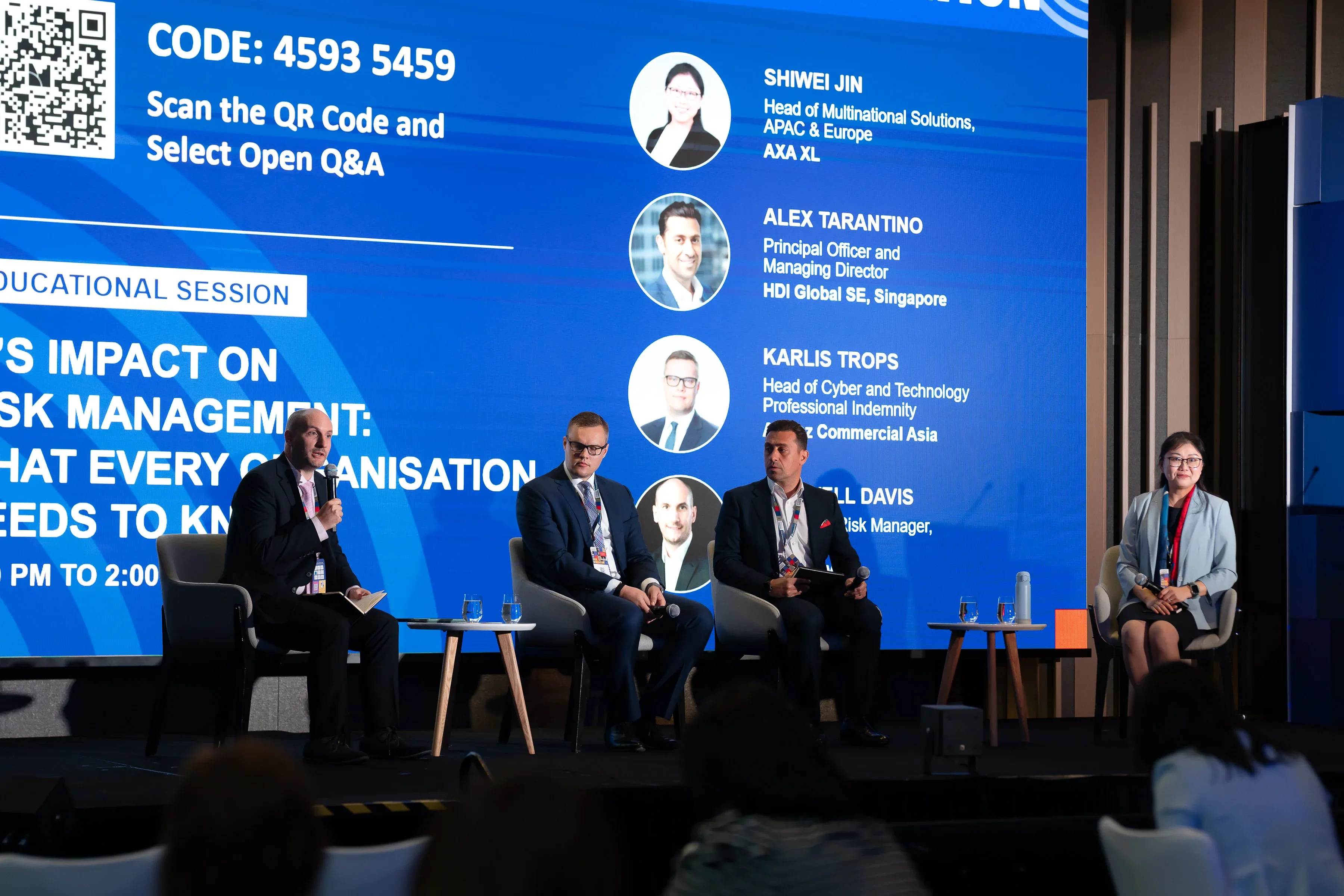
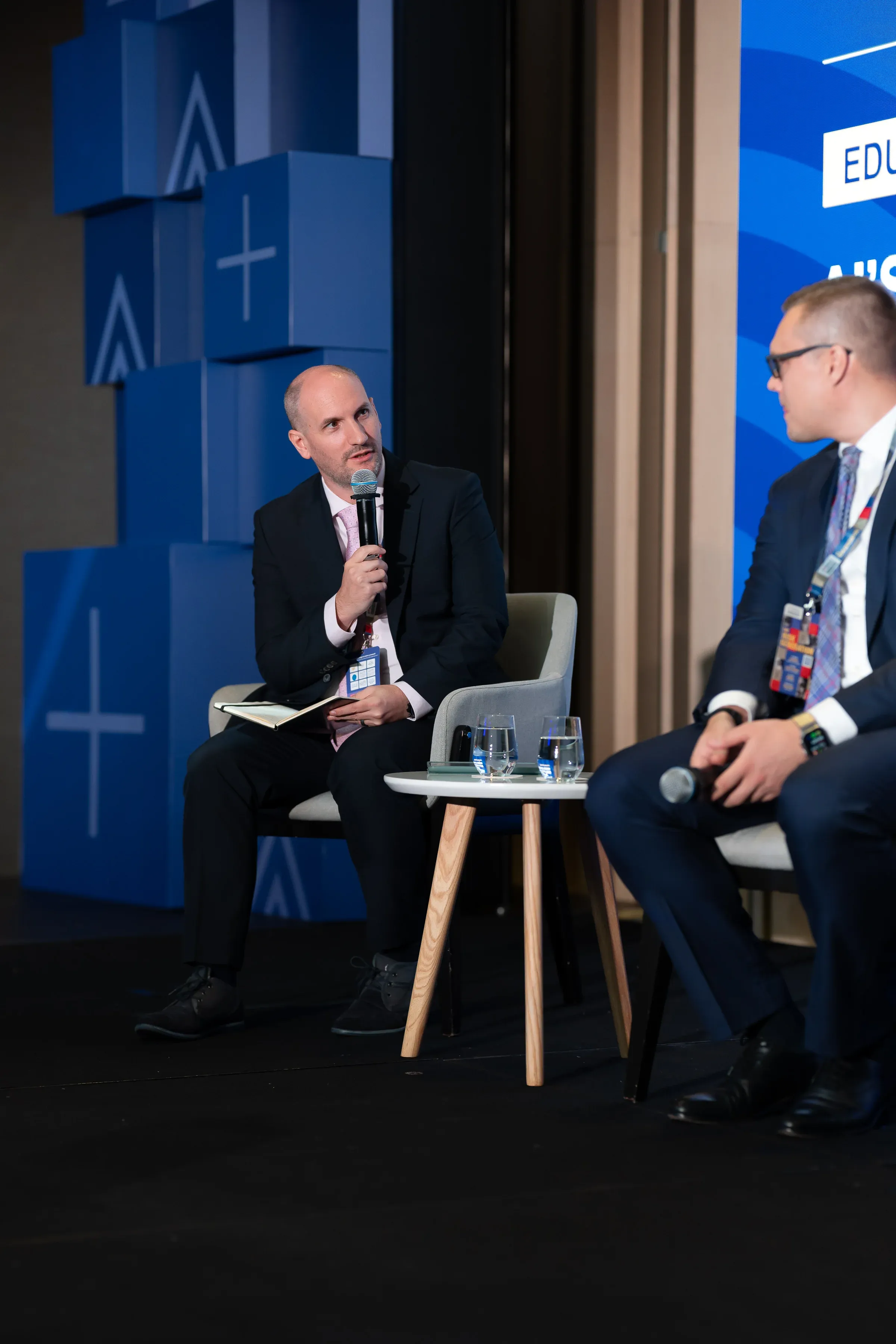
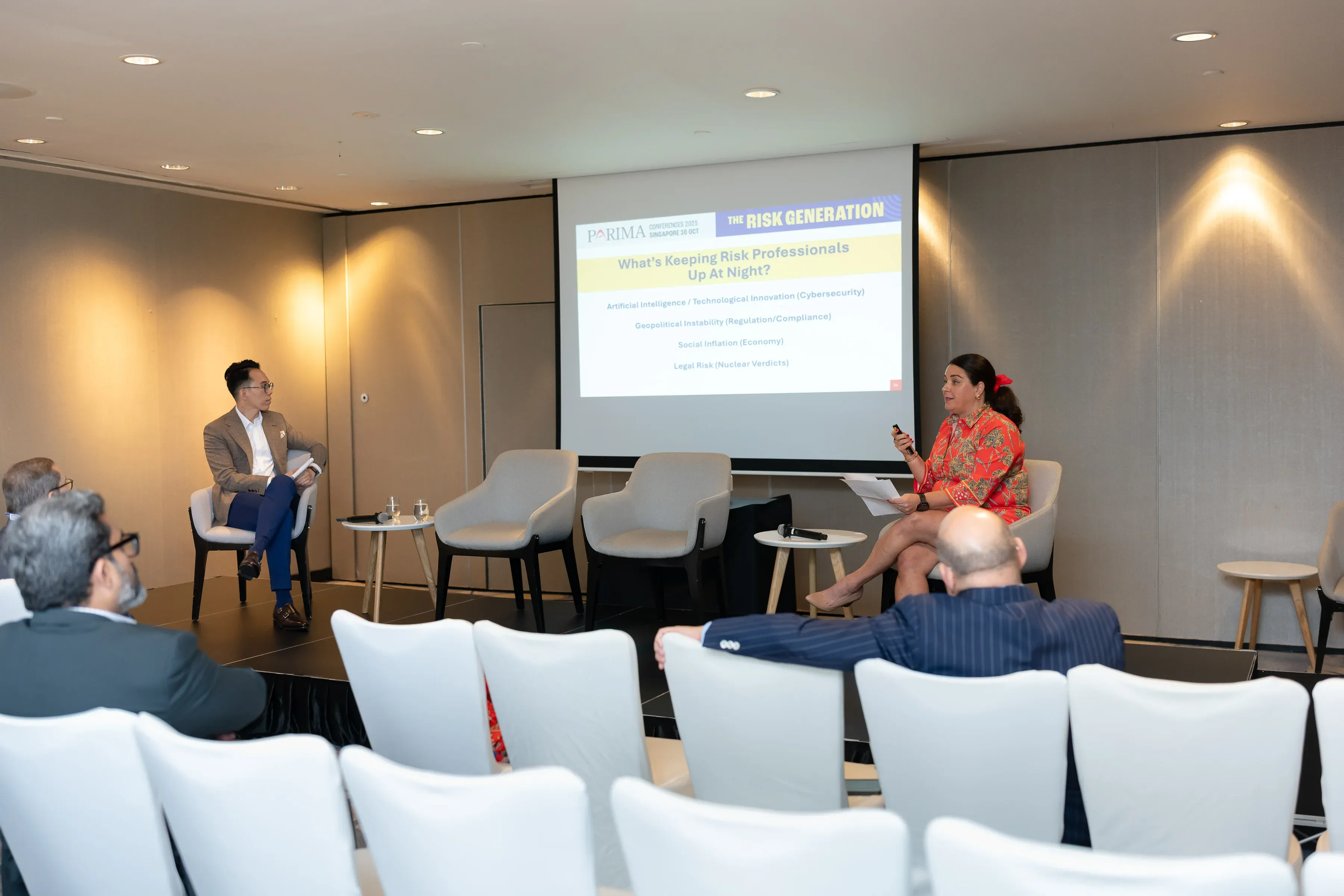
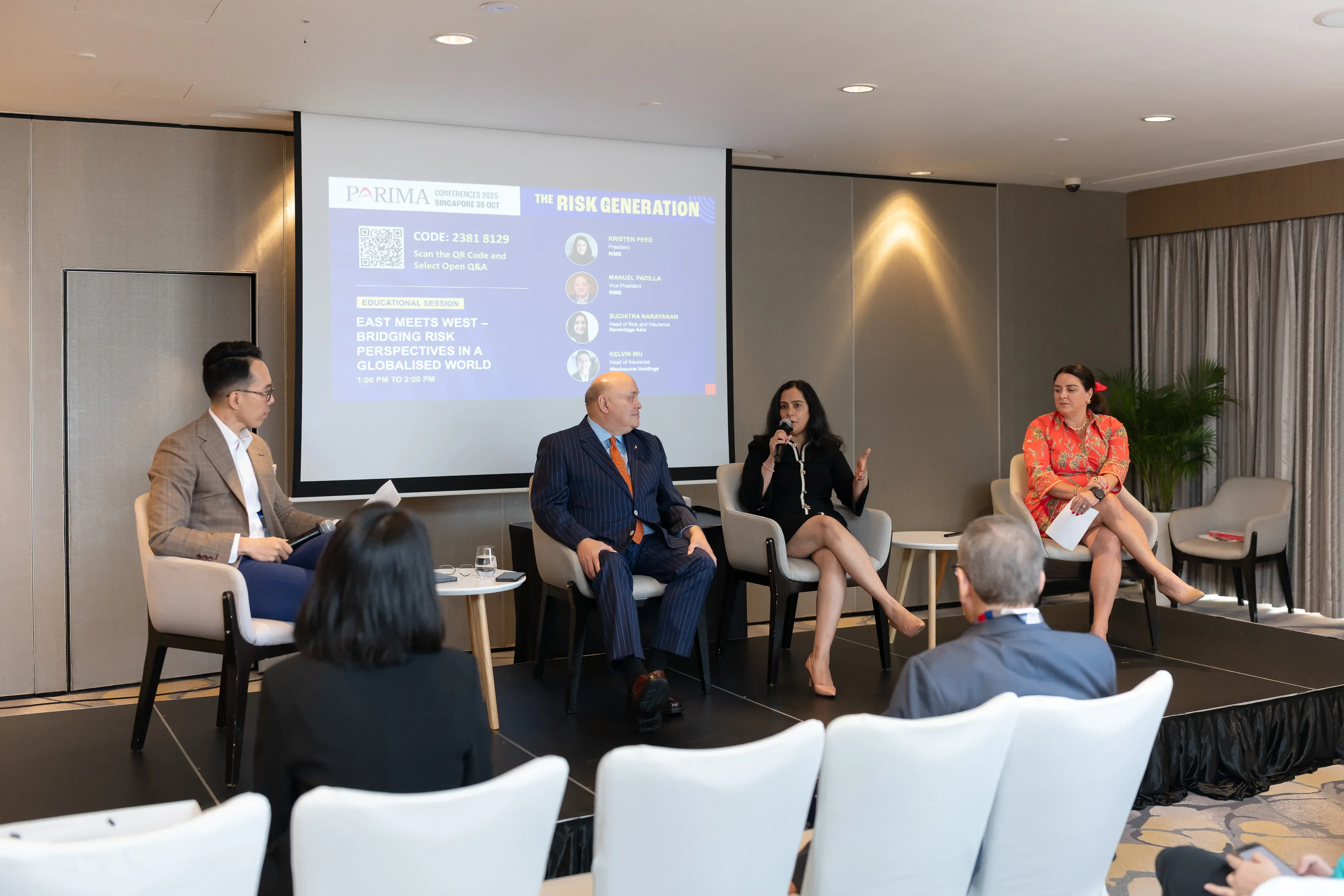
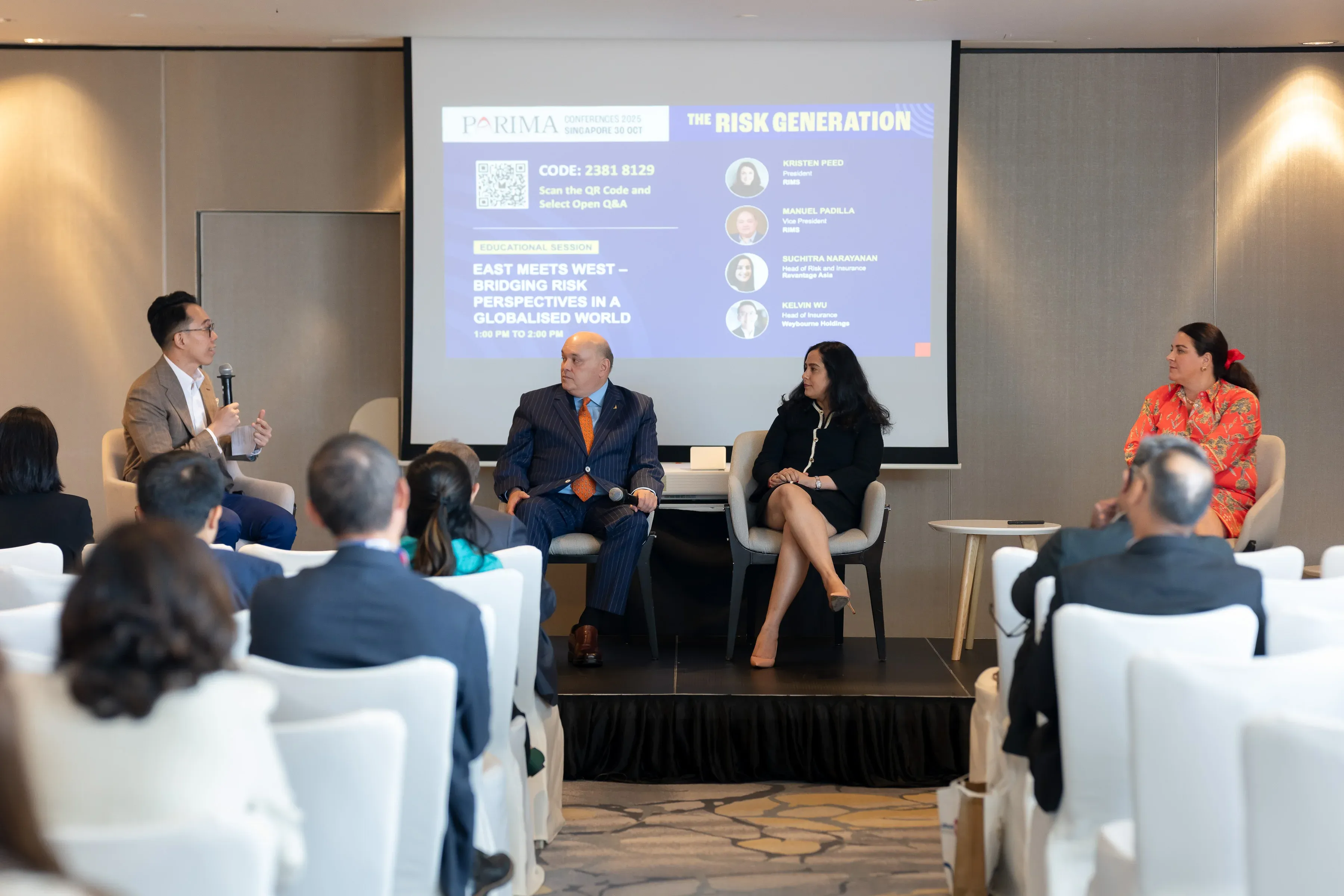
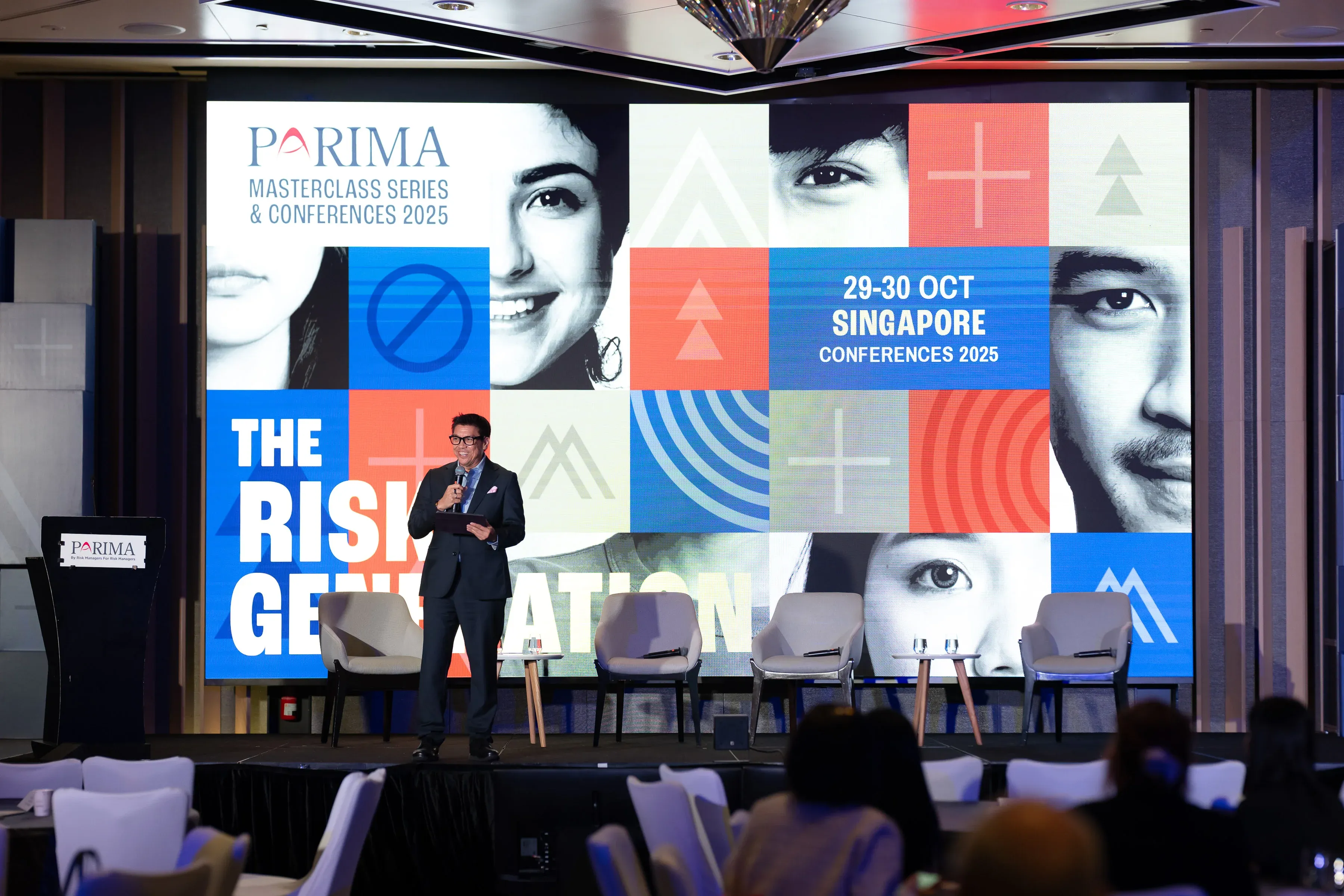
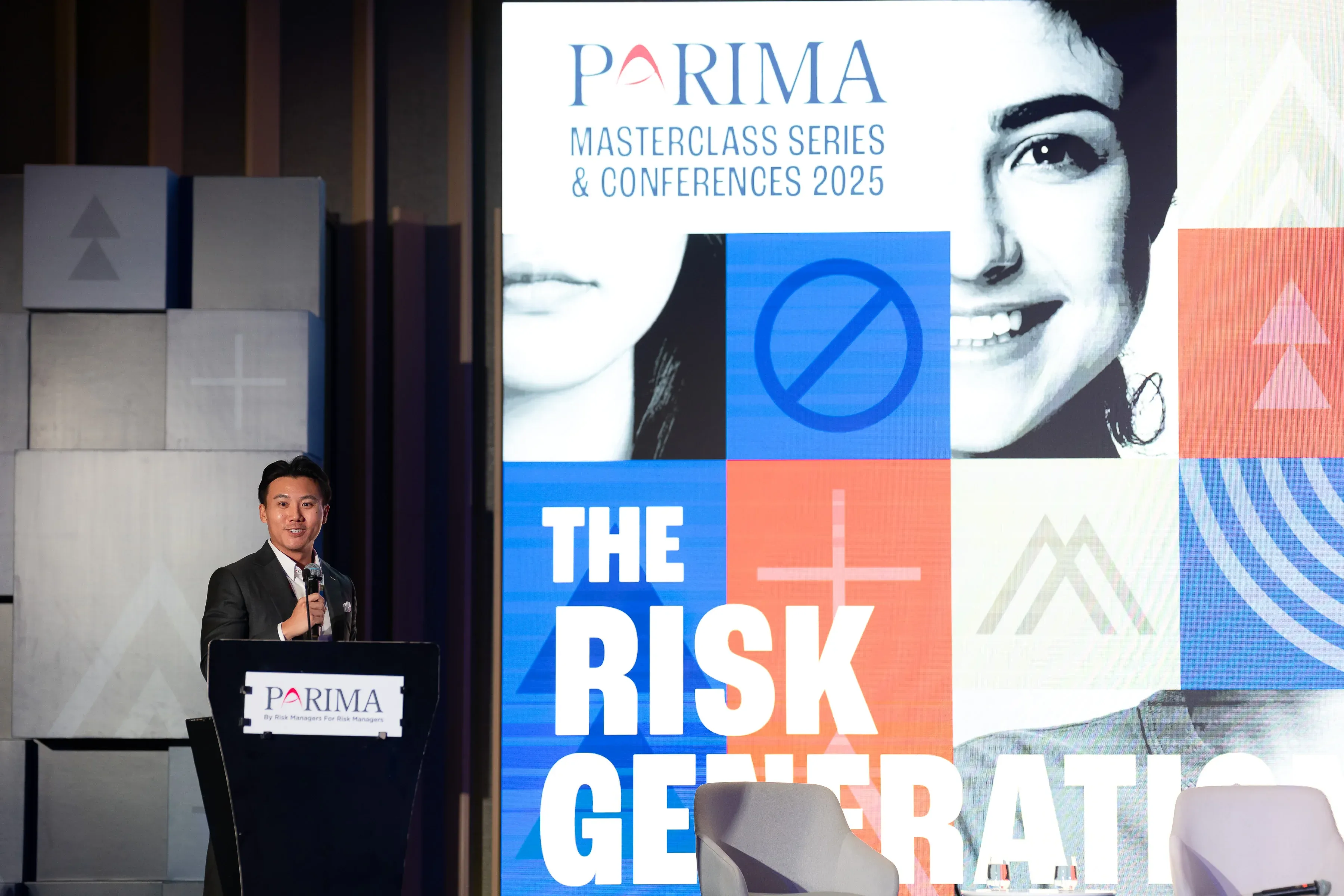
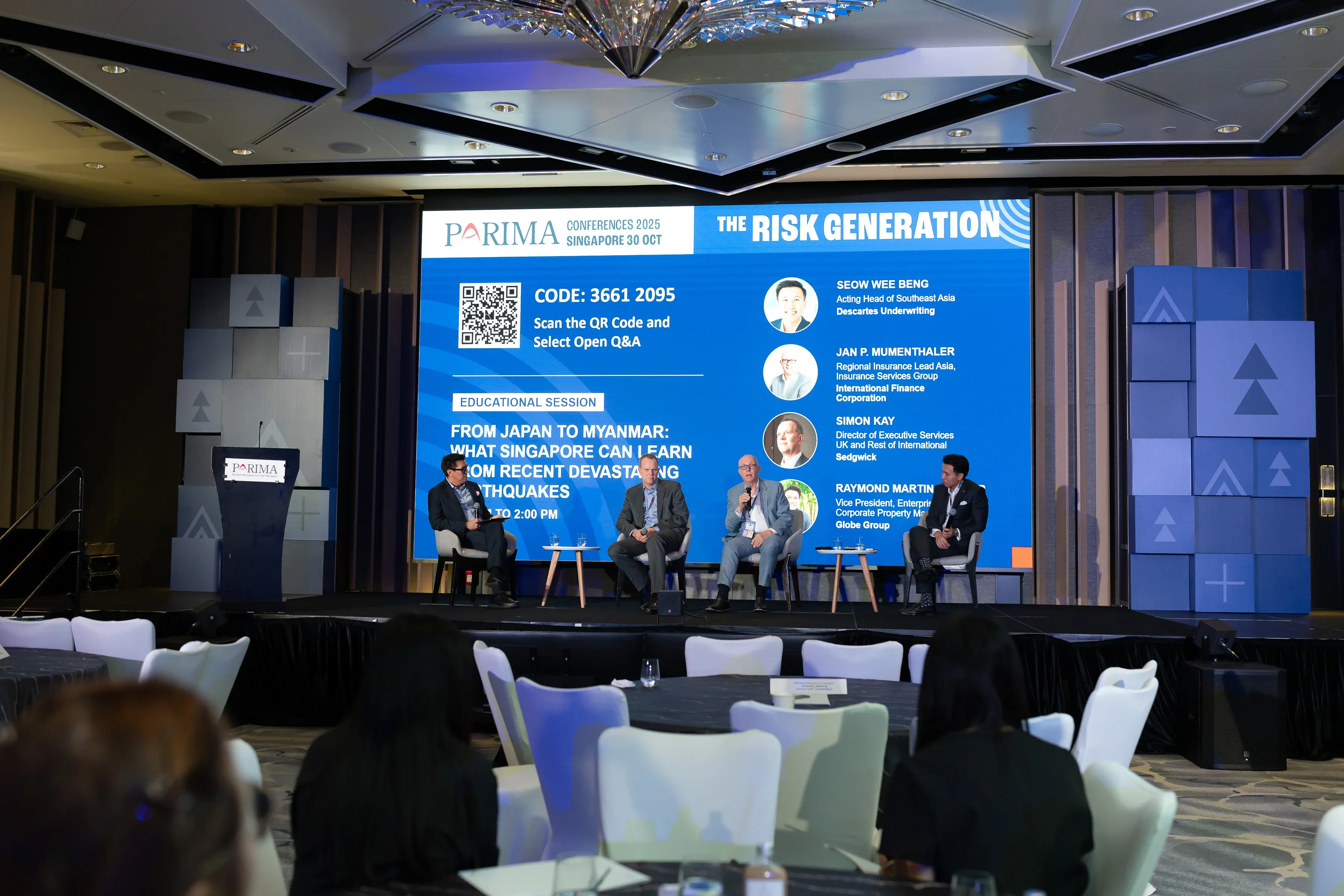
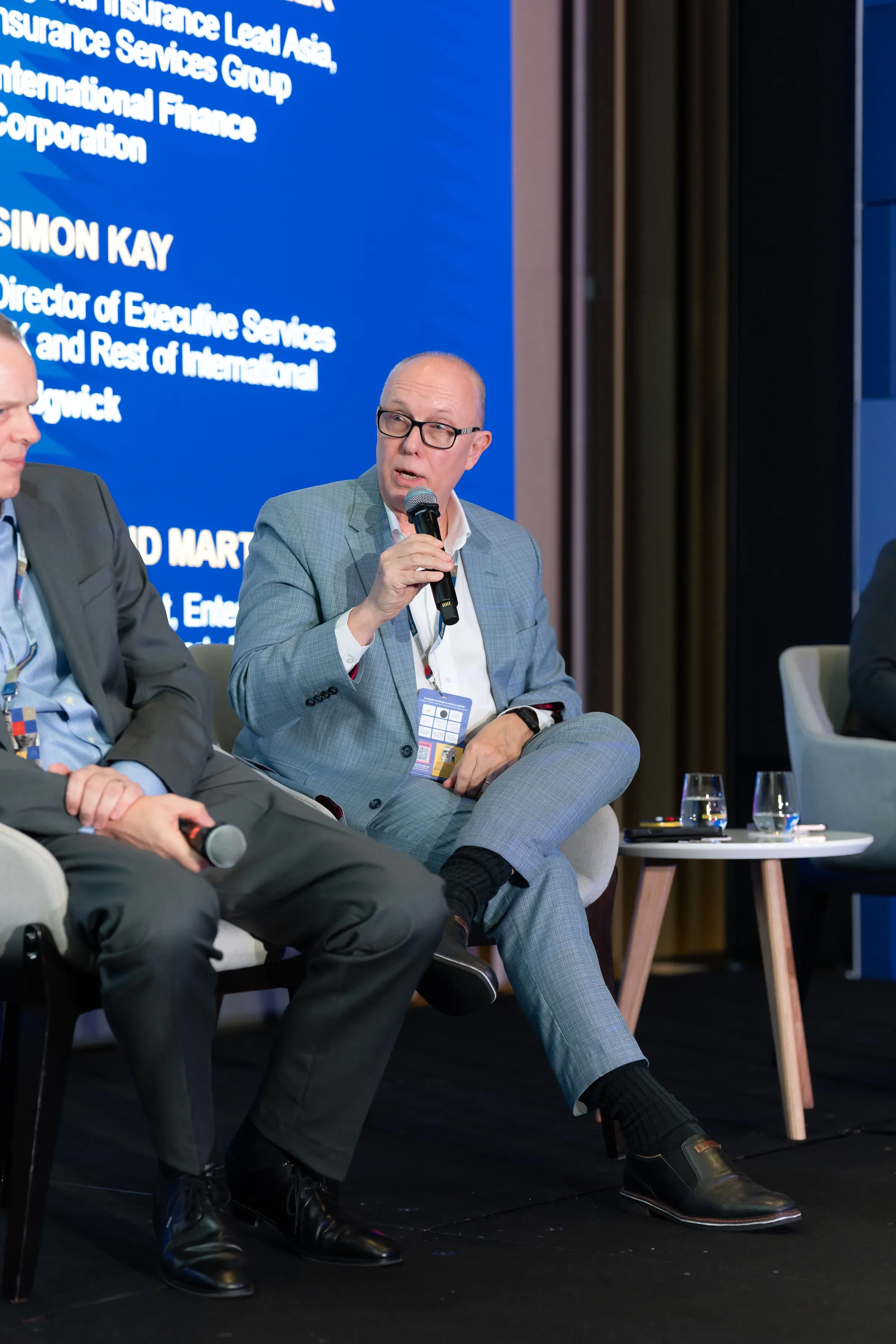
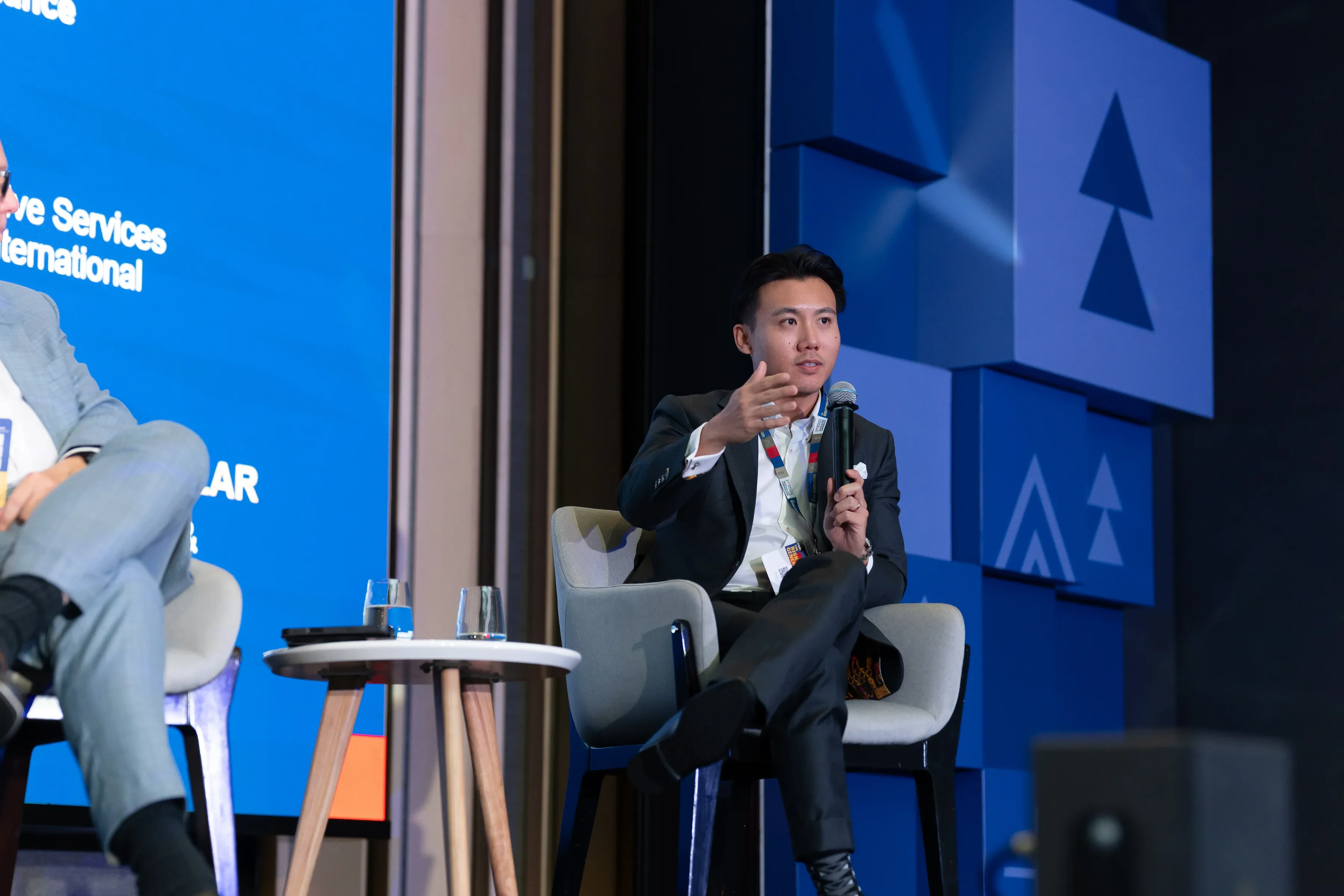
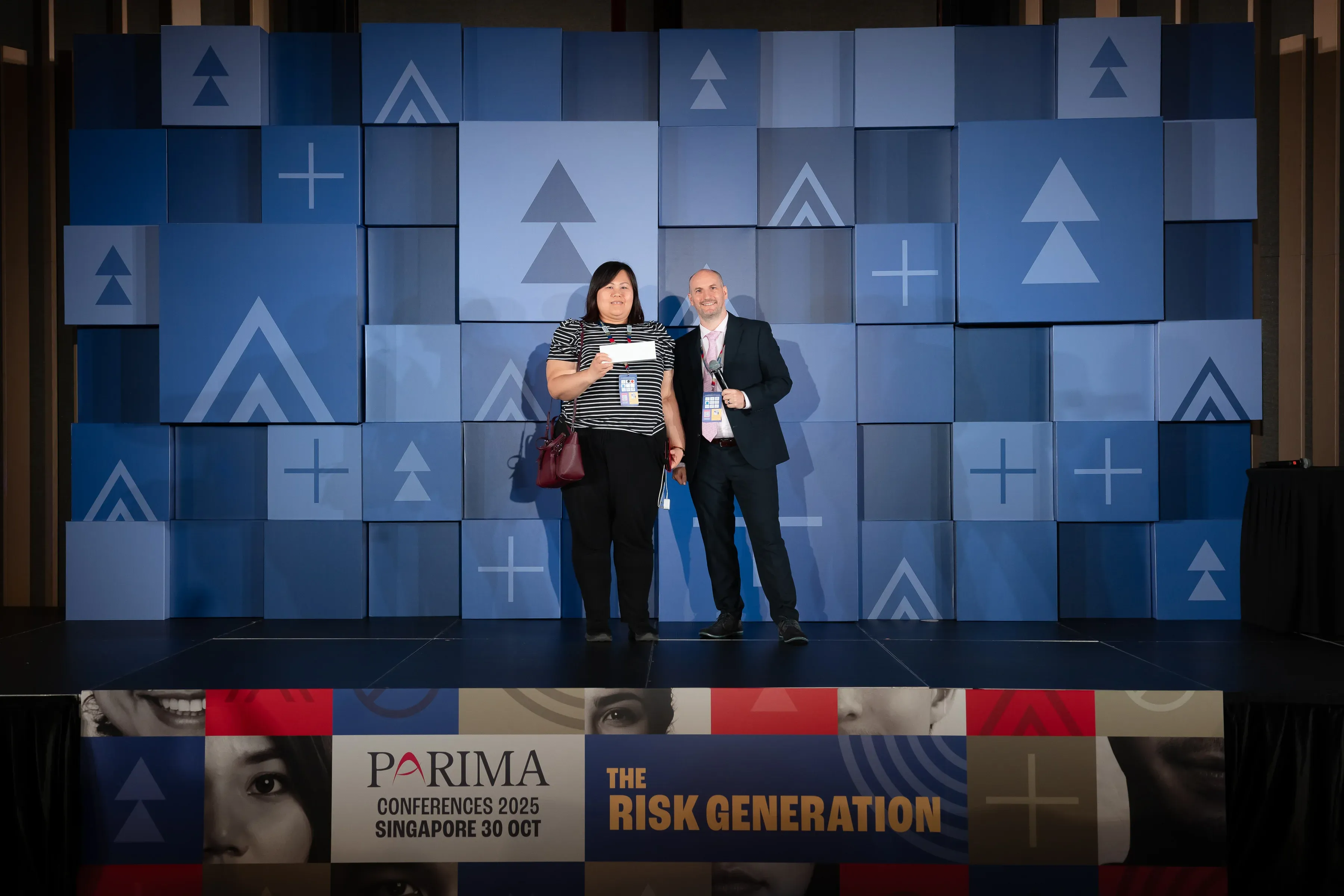
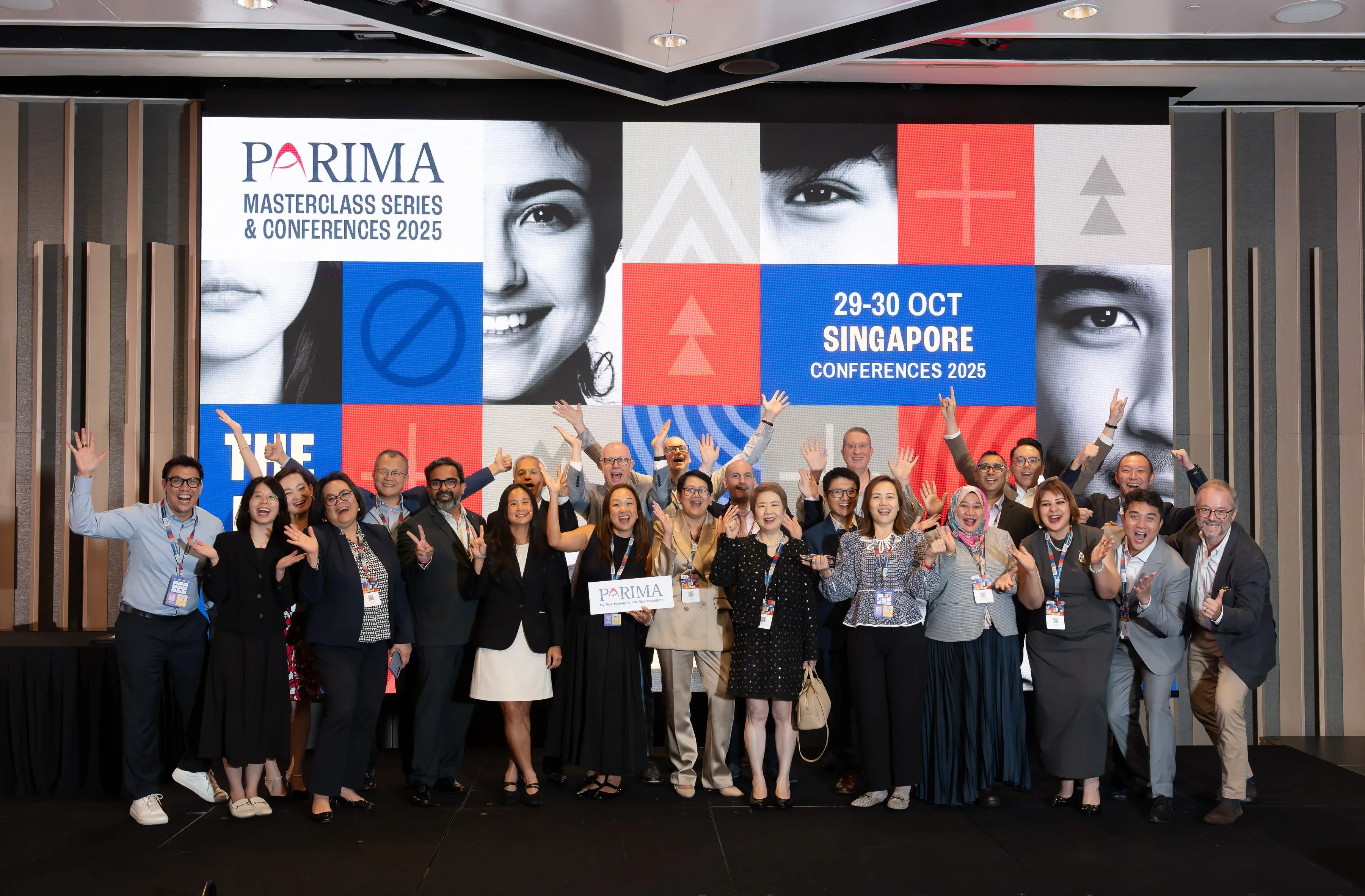
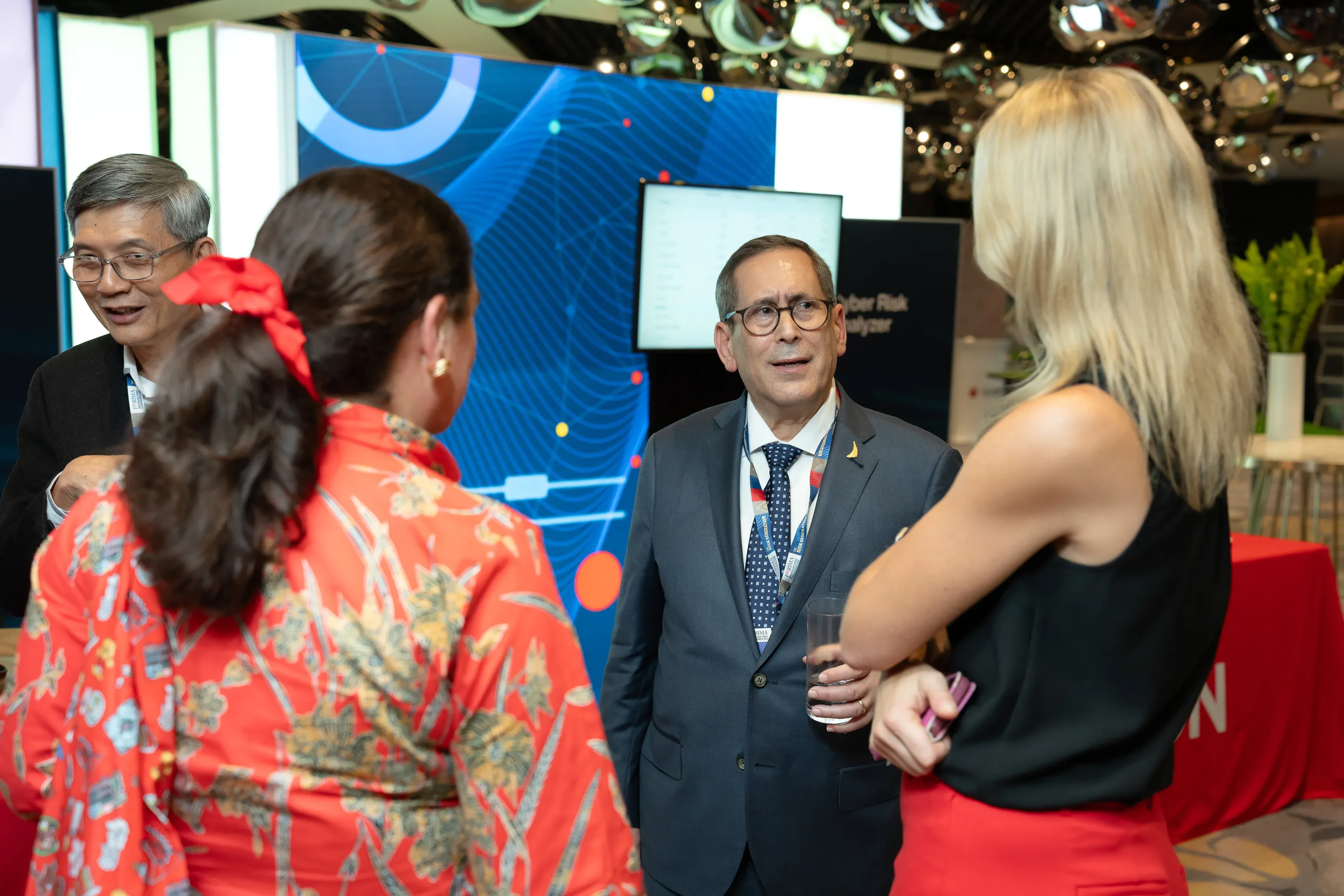
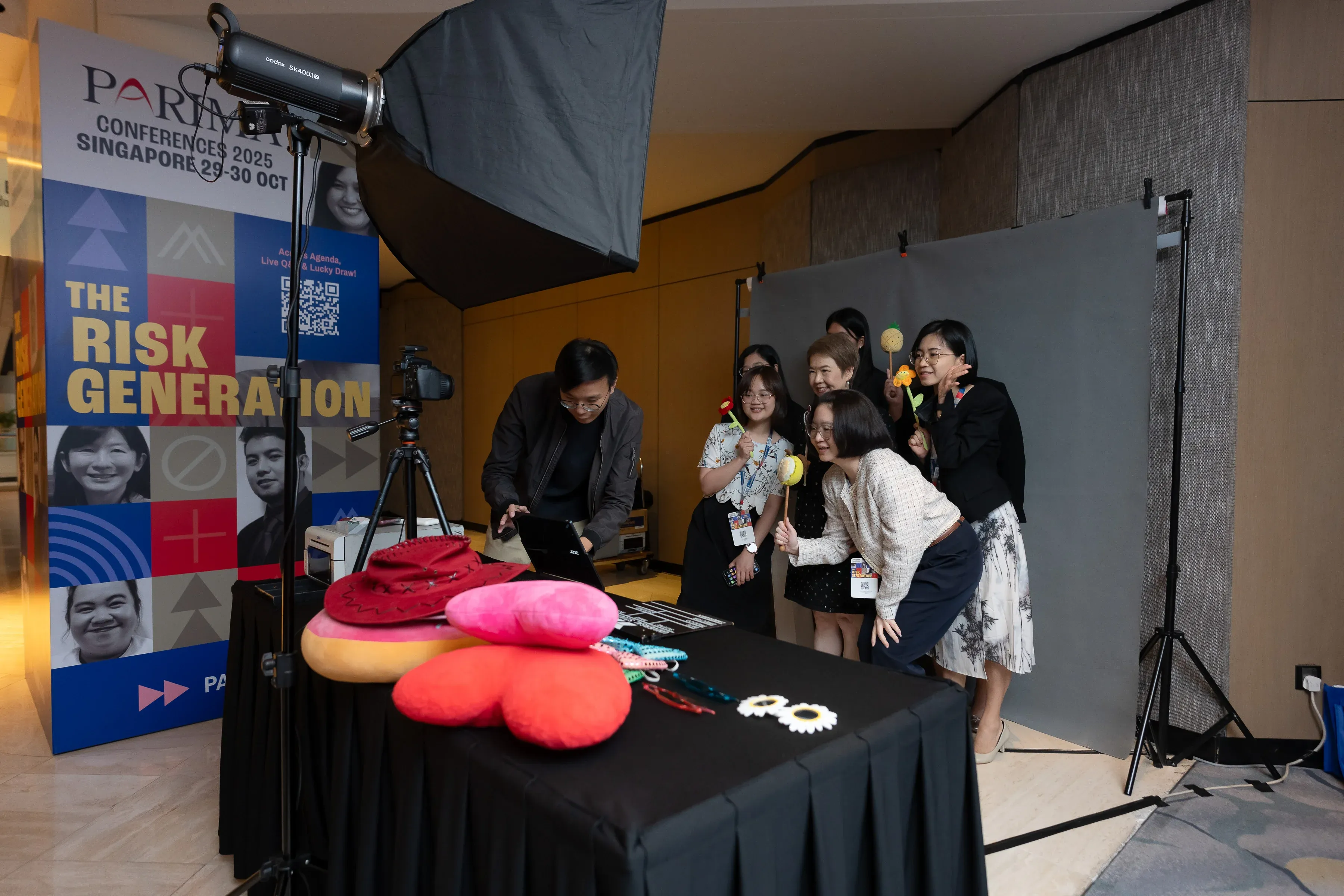
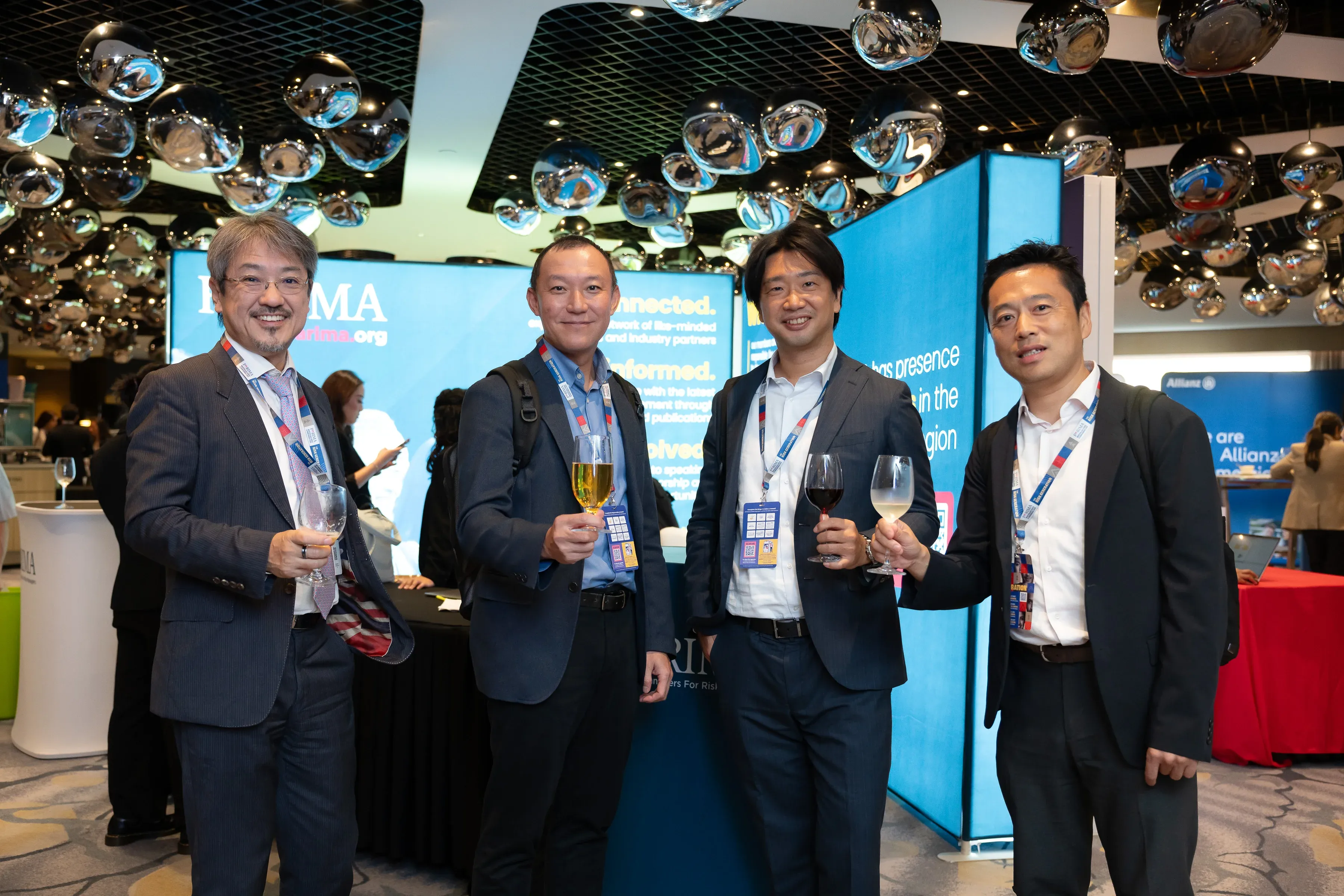
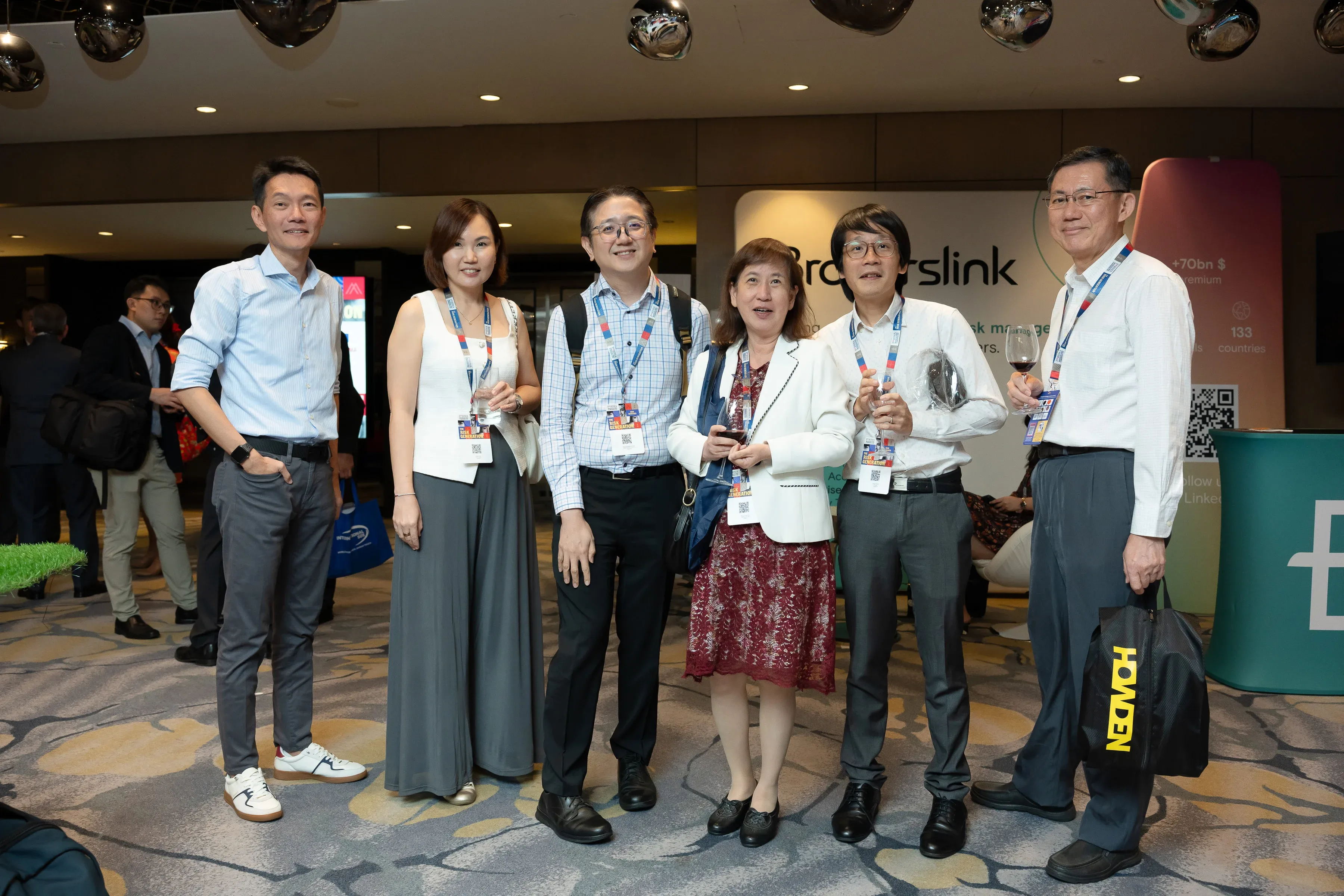
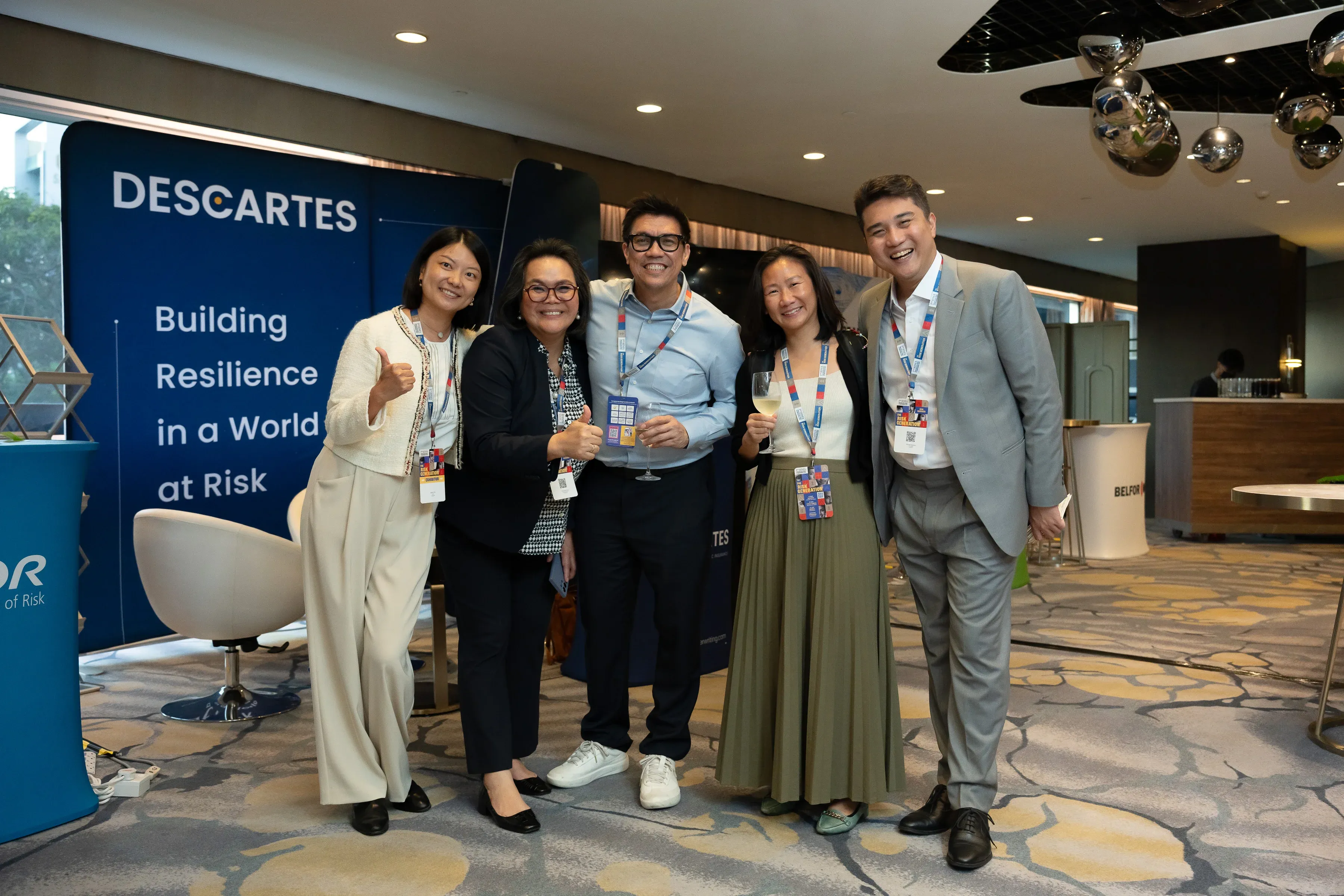
Photo Gallery



































Presentation Decks
30 October - Conference Presentations
29 October - Masterclass Presentations
Our Sponsors
Platinum
Partner

Knowledge
Partner

Gold
Partners





Silver
Partners












Association
Partner

Media
Partners




Copyright© 2025 PARIMA. All Rights Reserved.