(Credit: Canva)
Southeast Asia is bracing for an extended period of hotter and drier weather as El Niño intensifies, raising concerns over transboundary haze, extreme heat and potential disruptions to businesses across the region.
According to Channel News Asia (CNA), Southeast Asia is on alert for a potentially extreme El Niño event that could bring severe heat and drought across the region. El Niño typically acts as a climate multiplier, pushing temperatures higher, extending the duration of heatwaves and placing greater pressure on agriculture and water supplies.
For Singapore and its neighbours, some of the effects could become increasingly apparent in the coming months, with haze and extreme heat among the more immediate risks facing businesses and communities.
Transboundary Haze Risk Rises
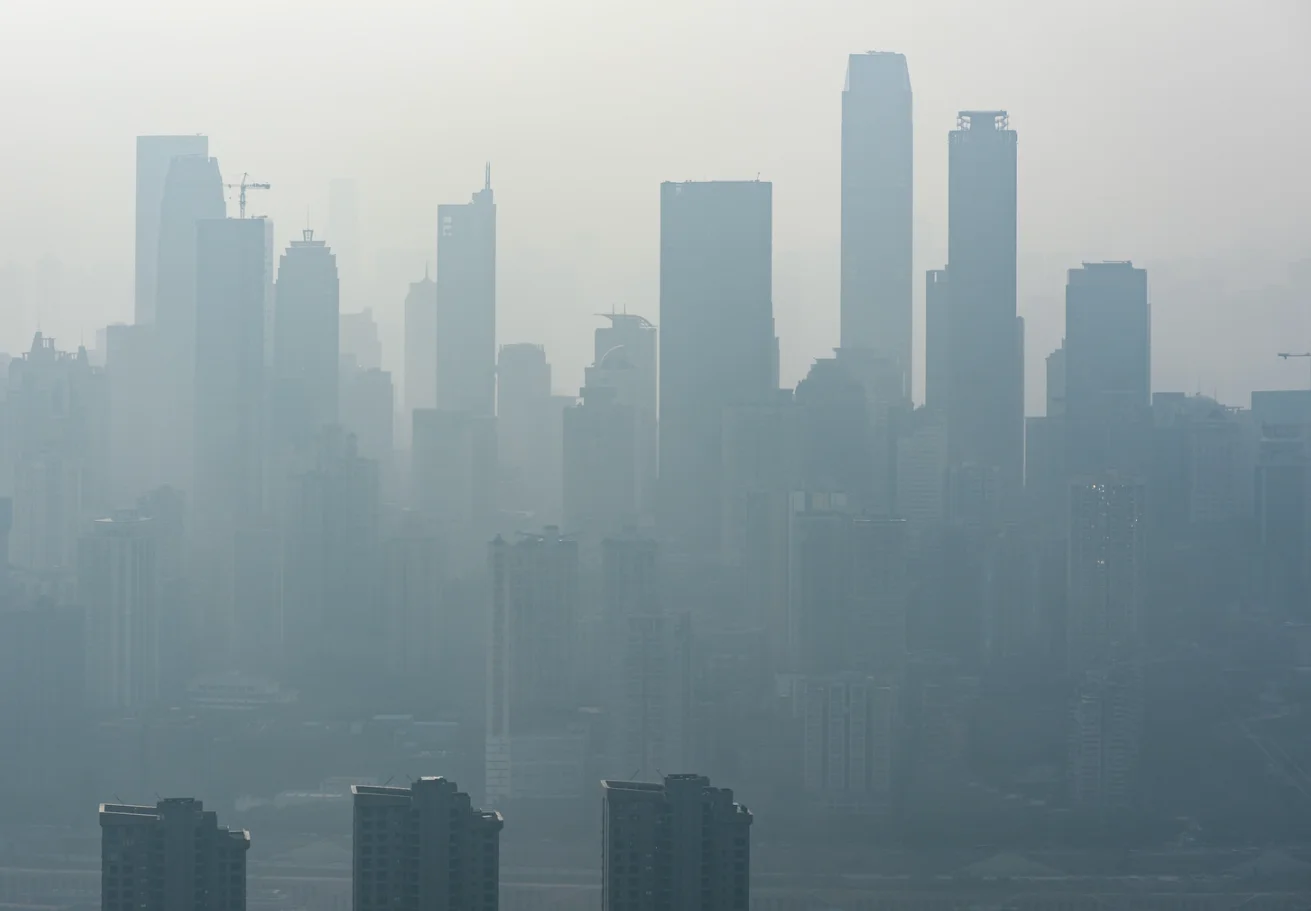
One of the most immediate risks for Singapore and parts of Southeast Asia is the possibility of severe transboundary haze.
The Singapore Institute of International Affairs (SIIA) Haze Outlook 2026 has given this year’s haze outlook a “Red” rating, indicating a high risk of a severe transboundary haze incident affecting Brunei, Indonesia, Malaysia and Singapore. August and September have been identified as the peak danger period, as hotter and drier conditions increase the risk of forest and peatland fires.
However, the severity of haze affecting Singapore will depend on factors including the location and extent of fires and prevailing wind directions.
For businesses, severe haze can extend beyond air quality concerns, affecting employee health and productivity, outdoor operations and overall business continuity.
Extreme Heat Puts Workers and Businesses Under Pressure
Alongside haze, extreme heat presents another immediate challenge.
El Niño is typically associated with warmer and drier conditions across Singapore and Southeast Asia. Prolonged periods of high temperatures can place additional pressure on workers, infrastructure, agriculture and energy systems, while higher temperatures can also drive greater demand for electricity as households and businesses rely more heavily on cooling.
Outdoor workers are particularly vulnerable. Prolonged exposure to high temperatures can increase the risk of heat stress and other heat-related illnesses, making workplace safety an increasingly important consideration for organisations.
For businesses, rising temperatures can also increase cooling requirements and operating costs. Organisations with temperature-sensitive facilities, equipment or products may similarly face additional strain during prolonged periods of extreme heat.
Turning Climate Signals into Early Action
While El Niño itself is a climate phenomenon, its consequences can quickly develop into operational, supply chain and workforce risks.
For risk managers, climate forecasts can therefore provide an opportunity to act before disruption occurs.
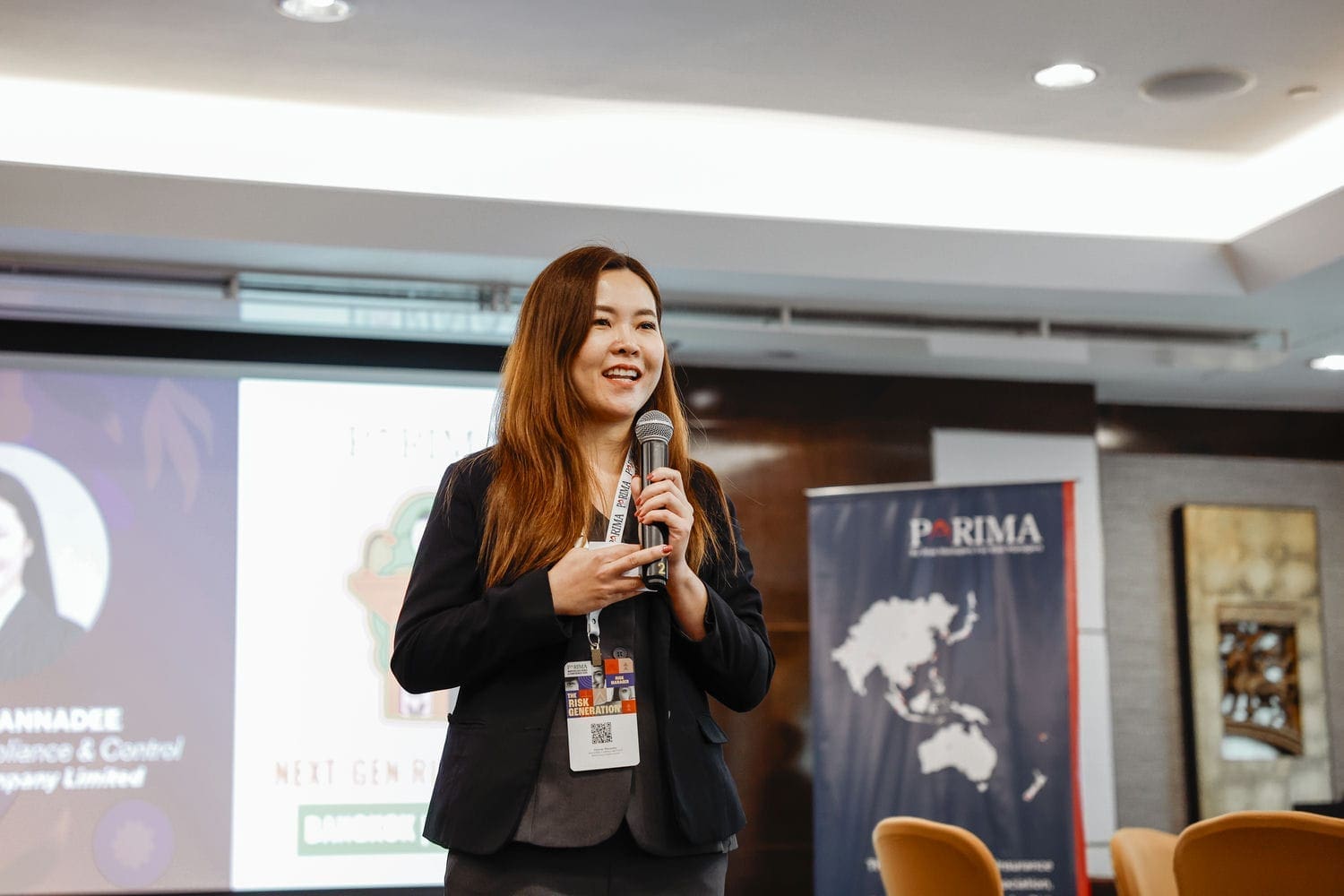
Speaking during the PARIMA Penang Masterclass 2026, Roshan Wahab, Vice President, Climate & Sustainability Consultant, Marsh Asia, highlighted the importance of translating climate signals into practical risk management decisions.
“El Niño is more than a climate headline; it’s an actionable set of forward-looking signals risk managers can use to strengthen organisational resilience. We want to enable risk managers to turn these signals into practical decisions: improving business continuity planning, stress-testing supply chains, and acting earlier before disruption becomes loss,” said Roshan.
For organisations, early action could include monitoring air quality and temperature forecasts, reviewing business continuity plans for haze and extreme heat, assessing the vulnerability of critical suppliers and ensuring appropriate measures are in place to protect employees.
Businesses with operations across multiple Southeast Asian markets may also need to look beyond risks at individual locations. Haze demonstrates how environmental disruption can cross borders, while prolonged heat and drought can affect interconnected supply chains, energy demand and agricultural production across the region.
With August and September marking a critical period for transboundary haze risk and El Niño expected to continue strengthening, the coming months could provide an important test of how prepared organisations are to turn early climate warnings into decisive action.