(Credit: Antonio Kam)
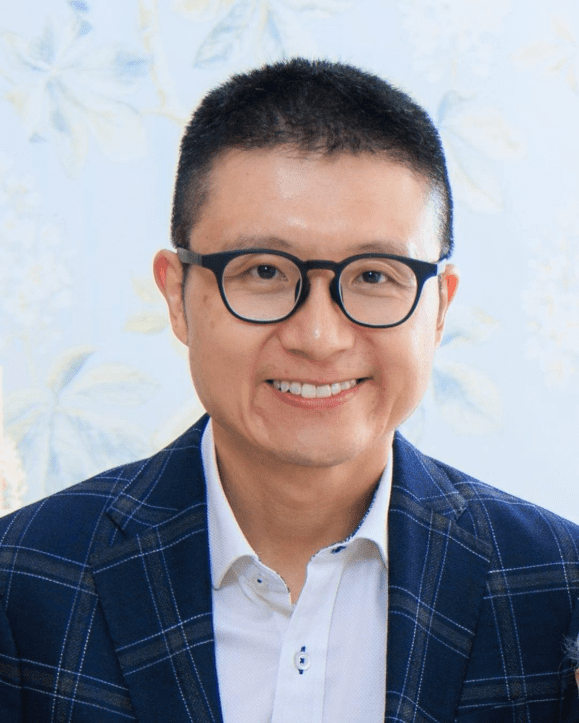
Introduction of Profile:
After spending 15 years as an Underwriting Manager, Antonio Kam made a decisive career pivot when the opportunity arose to step into the role of Head of Insurance for Asia-Pacific at BASF. As the first person to take on the role in the region, he was responsible for building insurance and risk processes across a geographically vast and operationally complex landscape, with the opportunity to explore new possibilities. Since then, Antonio has shaped a career spanning more than two decades across insurance underwriting, risk management, and regional leadership.
————————————————————————————————————————
A foundation built in insurance
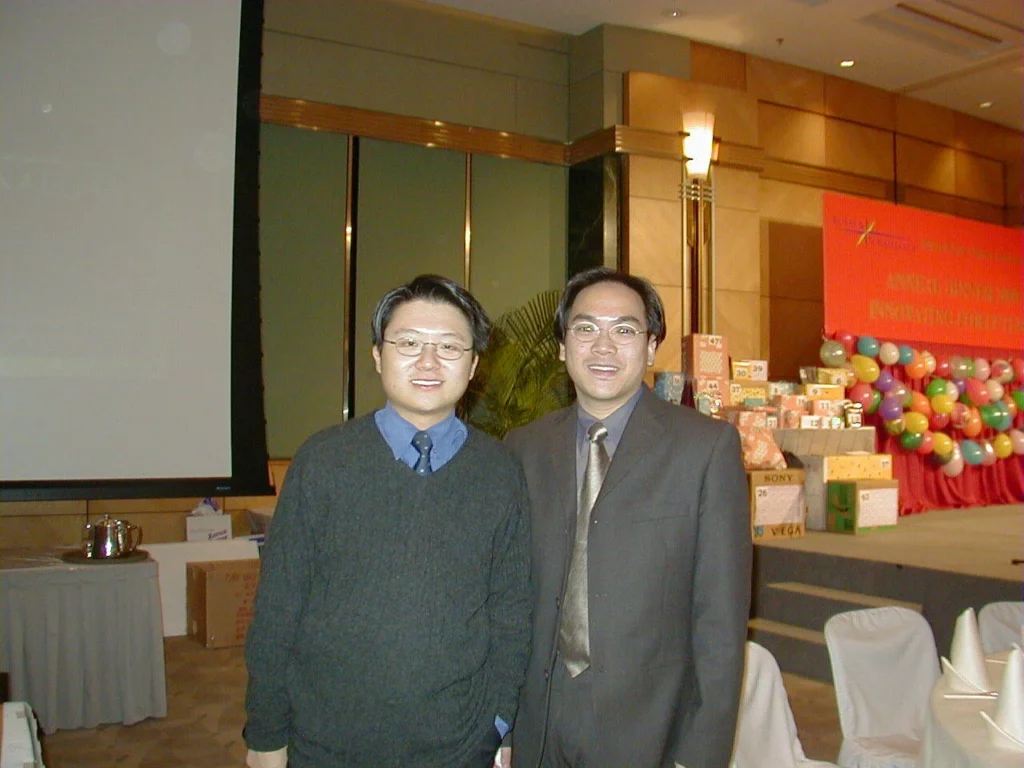
Antonio Kam (left) with another management trainee during his time at RSA. (Credit: Antonio Kam)
Antonio began his career 26 years ago as a management trainee at an insurance company, rotating across multiple departments including underwriting, claims, marketing, and strategy. The experience gave him a holistic view of how insurers think, price risk, and respond when things go wrong.
Over the next 15 years, he built deep expertise across underwriting roles at several global insurers. But rather than specialising narrowly, Antonio developed as a generalist — someone comfortable navigating different risk types, industries, and stakeholder perspectives.
That ability to bridge perspectives would later become critical when he made the leap from insurer to corporate risk manager.
Into the Unknown
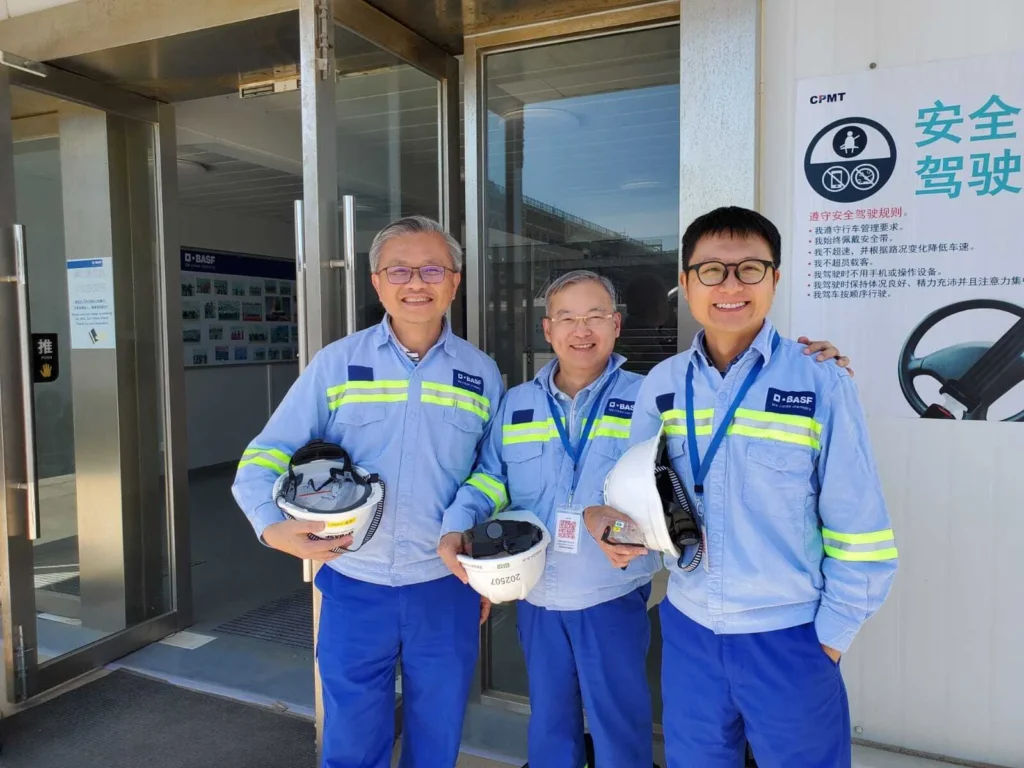
During an insurance survey with a broker and underwriter at BASF PPE. (Credit: Antonio Kam)
Antonio’s transition into risk management was not something he had meticulously planned.
A head-hunter’s call presented an opportunity to move from underwriting into a corporate role — one that would require him to identify, assess, and manage risks from inside the business rather than from across the table.
“It was a big decision,” he said. “After 15 years in insurance, you ask yourself whether it’s time to try something different.”
The challenge was immediate. Unlike underwriting, where risks are often presented in reports and submissions, corporate risk management meant understanding how the business operates, often through conversations with colleagues who were not risk professionals.
At the same time, he was tasked with setting up the regional insurance function in Asia-Pacific almost from scratch, often making decisions quickly in response to urgent business needs.
“The first year was very challenging,” he admitted. “But being a generalist helped. I didn’t need to know everything; I needed to know how to ask.”
Communication Is Key in Risk Management
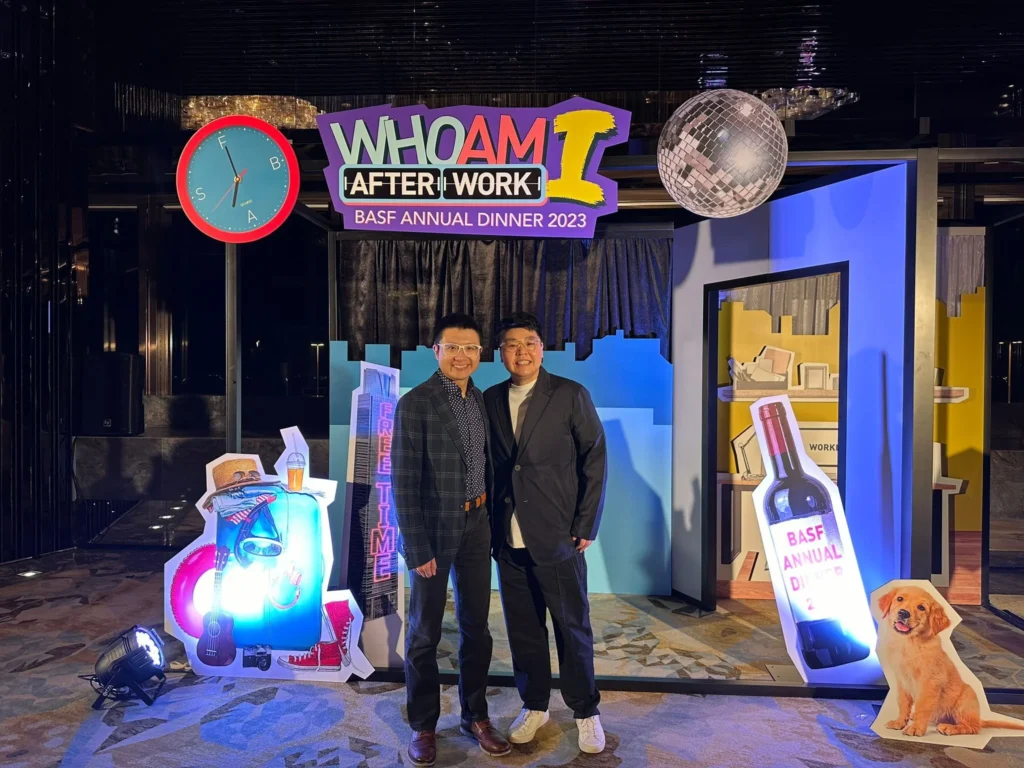
(Credit: Antonio Kam)
Today, Antonio describes his role similar to an in-house insurance broker, analysing risks, transferring those that can be insured, and helping the business understand which exposures must be retained.
From arranging complex construction insurance years before a project begins, to guiding colleagues through claims during a crisis, his role sits at the intersection of business expectations and insurance realities.
“In a crisis, people have very little tolerance for wasted time. That’s when you must focus only on what truly matters.”
Emerging Risks Over the Next Decade
Looking ahead, Antonio sees three interconnected risk themes shaping the next decade: geopolitics, climate change, and technology.
Geopolitical tensions, he believes, will continue to challenge multinational organisations as trust between nations erodes.
“Globalisation only works when there is trust,” he said. “Without it, companies must become more local — while still operating within a global framework.”
Climate risk, meanwhile, is no longer an abstract future threat. For organisations in Asia, increasingly severe weather events are becoming the norm, raising questions about resilience and the long-term sustainability of risk transfer through insurance.
“There’s a limit to what insurance can absorb,” he cautioned. “We have to plan for that.”
Technology and AI, while not new in principle, are accelerating the pace of change — creating both efficiency and new forms of risk that require constant learning.
Advice for the next generation
For young professionals considering a career in risk management, Antonio’s advice is simple but firm: stay curious, trust yourself, and uphold your ethics.
“Risk managers don’t create products,” he said. “We build on other people’s ideas to make them stronger and more sustainable.”
That requires openness, courage, and the willingness to speak up — even when it is uncomfortable.
“Identifying a risk means nothing if you’re not brave enough to say it,” he said. “But we’re not here to stop the business. We’re here to enable it — for the long term.”