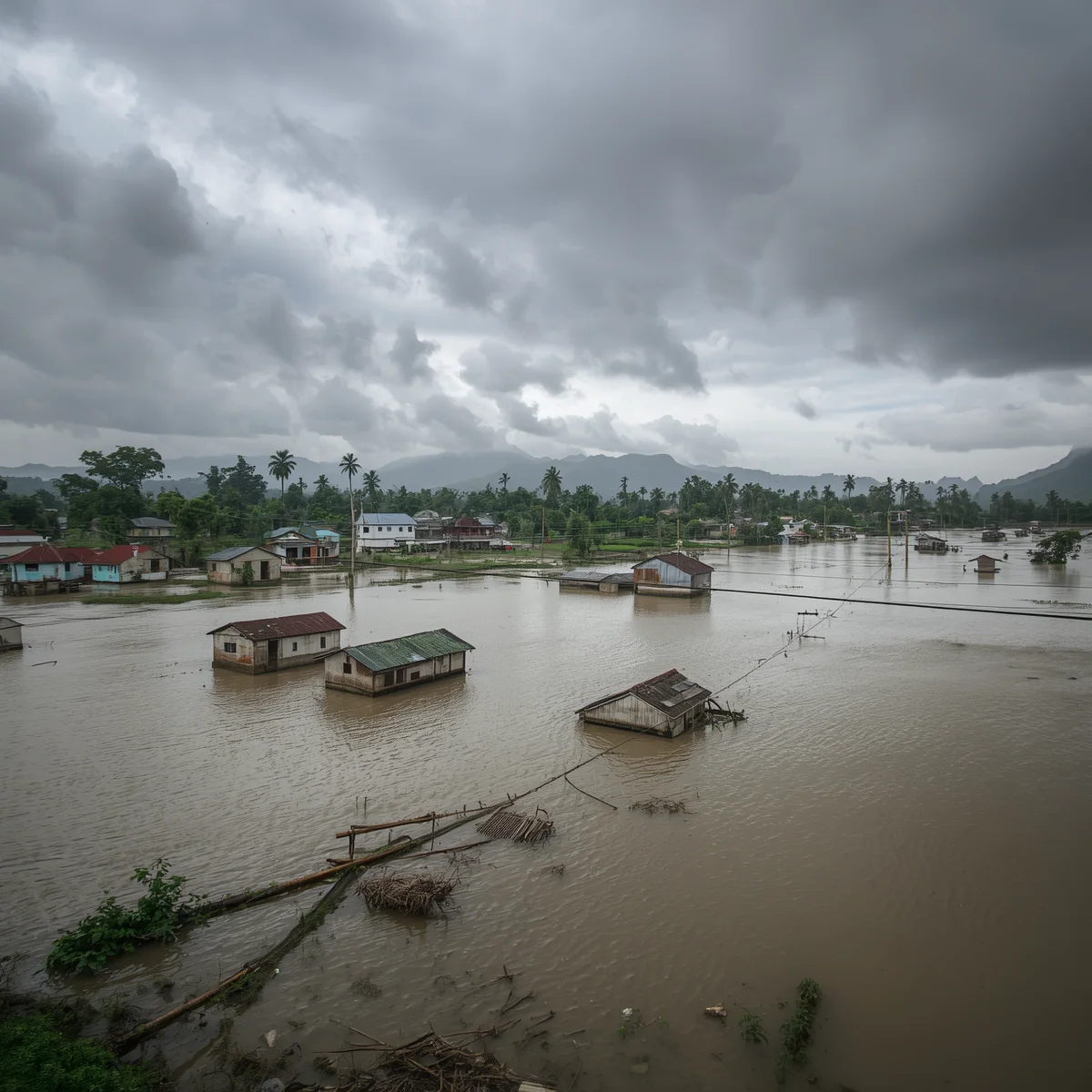
AI-generated image for illustrative purposes. (Credit: Canva)
The catastrophic floods that struck Nepal on 26 August have devastated communities, damaged critical infrastructure and severely disrupted the country’s hydropower sector. But the implications of the disaster extend beyond Nepal’s borders, raising wider questions about infrastructure resilience, energy security and interconnected climate risks across Asia-Pacific.
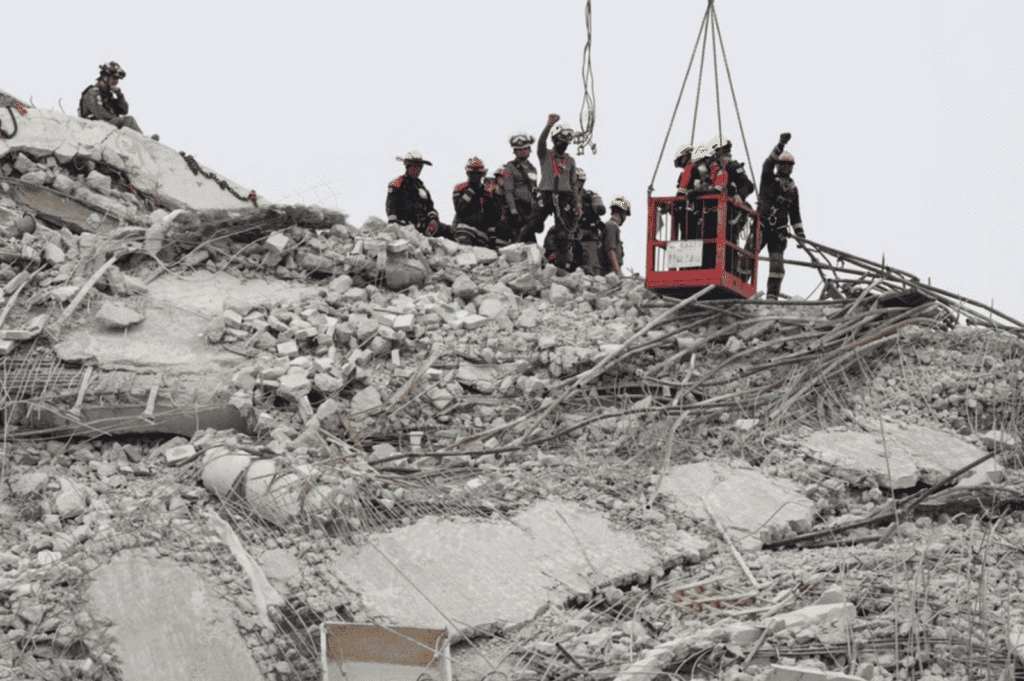
As of 7 September 2026, Nepal’s Ministry of Foreign Affairs reported that 1,355 bodies had been recovered and around 5,000 people remained missing. Search and rescue operations remain underway, including at several affected hydropower projects.
Beyond the devastating human toll, the disaster is emerging as a warning of how extreme natural hazards can trigger cascading risks across infrastructure, energy and economies, a challenge that extends across the wider Asia-Pacific region.
A Growing Infrastructure Challenge for Asia-Pacific
The scale of infrastructure investment planned across Asia makes this particularly significant.
Hydropower facilities, roads, bridges and other major infrastructure projects are often designed to operate for decades. Yet the environmental conditions they will face throughout their lifetimes may look very different from those used when the projects were originally planned.
The Asian Development Bank (ADB), has warned that the Hindu Kush Himalaya (HKH) region faces a combination of floods, landslides, earthquakes and glacial lake outburst floods, making multi-hazard risk assessment increasingly important when planning infrastructure.
“Understanding of long-term climate risk needs to inform every single decision and be the basis of identifying investment opportunities,” said Noelle O’Brien, Director of Climate Change and Sustainable Development at ADB.
For insurers, investors and businesses, this raises questions about whether existing risk models, engineering standards and insurance arrangements adequately reflect how these hazards are evolving.
What Should APAC Risk Managers Consider?
For risk managers across Asia-Pacific, the Nepal floods reinforce the need to look beyond individual hazards and locations.
An organisation may have no operations in Nepal but still face similar exposures elsewhere or depend on vulnerable infrastructure and suppliers.
Risk assessments should consider how a physical event could cascade across interconnected systems. A flood, for example, may damage power facilities, disrupt electricity and transport, and interrupt suppliers, creating business interruption and financial losses far beyond the original site.
Organisations should review critical supplier and infrastructure dependencies, test business continuity plans for prolonged disruption, and assess whether insurance coverage reflects emerging catastrophe risks.
The Nepal floods are more than a national disaster. They show how changing environmental conditions can interact with interconnected infrastructure and economies.
For businesses across Asia-Pacific, resilience increasingly depends on understanding not only where risks originate, but how far their consequences can travel.